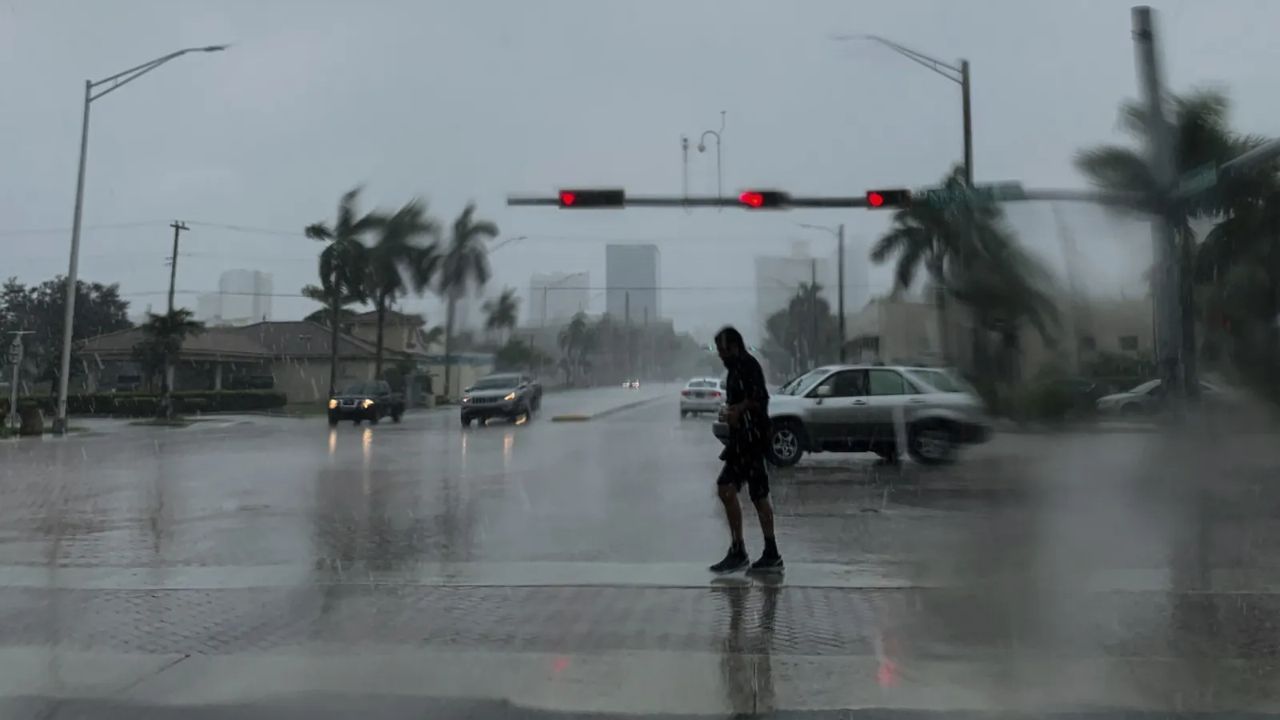

Waynesville, North Carolina – Travel across the high elevations of western North Carolina is expected to become hazardous starting Wednesday afternoon as a winter storm brings heavy snow and strong winds to the region. Forecasters warn that conditions could deteriorate rapidly, especially overnight, with dangerous roads and possible power disruptions continuing into Thursday morning.
Incident Overview
A Winter Weather Advisory has been issued for parts of western North Carolina as cold air and moisture combine to produce significant mountain snowfall. The advisory applies to elevations above 3,500 feet in Haywood County and Swain County, where snow totals could reach up to 11 inches along the highest ridges. Wind gusts are expected to reach 45 mph, increasing the risk of blowing snow and reduced visibility.
According to the National Weather Service office in Greenville-Spartanburg, the combination of heavy snow and strong winds may lead to treacherous travel conditions and localized power outages in the high country.
Timeline of Expected Conditions
Snow is forecast to begin developing Wednesday afternoon, with conditions worsening through the evening and overnight hours. The heaviest snowfall is expected late Wednesday night into early Thursday, when temperatures will remain cold enough to allow snow to accumulate quickly on roads, trees, and power lines.
By Thursday morning, snowfall rates are expected to taper off, but lingering impacts such as icy roads and downed limbs may continue to affect travel and recovery efforts. Officials caution that additional advisories or extensions are possible if snowfall intensifies or spreads to nearby areas.
Areas Most at Risk
The most severe impacts are expected along mountain roads near the Great Smoky Mountains, including communities and travel corridors around Maggie Valley, the Blue Ridge Parkway, and higher terrain near Waynesville and Bryson City. These locations are particularly vulnerable due to elevation, exposed ridgelines, and winding roadways.
Wind-driven snow could cause near-zero visibility at times, especially along ridges and open stretches of road. Even areas below 3,500 feet may experience difficult driving conditions due to blowing snow, falling tree limbs, and rapidly changing visibility.
Details From Weather Officials
Meteorologists stress that snowfall amounts will vary significantly with elevation, but impacts could be serious wherever heavy snow and wind overlap.
“Snow accumulations of several inches are likely above 3,500 feet, with locally higher amounts on the highest peaks,” forecasters noted. “Strong wind gusts will lead to blowing snow and may cause scattered power outages due to snow-loaded trees and lines.”
The weather service also emphasized that mountain roads could become impassable by Wednesday evening, potentially limiting emergency response and overnight travel options.
More detailed forecasts and updates are available through the National Weather Service Greenville-Spartanburg office, which continues to monitor the storm’s progression closely.
Key Facts at a Glance
- Advisory Type: Winter Weather Advisory
- Start Time: Wednesday afternoon
- End Time: Thursday morning
- Snowfall Amounts: Up to 11 inches above 3,500 feet
- Wind Gusts: Up to 45 mph
- Primary Counties Affected: Haywood, Swain
- High-Risk Areas: Maggie Valley, Blue Ridge Parkway, higher elevations near Waynesville and Bryson City
Travel and Safety Guidance
Officials strongly advise residents and visitors to avoid non-essential travel in high-elevation areas during the advisory period. Those who must travel should carry emergency supplies, including food, water, warm clothing, and a fully charged phone.
Residents in mountain communities are encouraged to secure backup heat sources, check generators if available, and prepare for the possibility of temporary power outages. Road conditions should be checked through NCDOT before heading out, as closures may occur with little notice.
Additional Context: Why Mountain Snow Is Especially Dangerous
Mountain snowstorms often produce more severe impacts than lower-elevation winter weather events. Steep terrain, narrow roads, and limited treatment options can make even moderate snowfall dangerous. Strong winds can further reduce visibility and create drifting snow that obscures road edges, increasing the risk of accidents.
Emergency services may also face delays reaching remote areas if roads become blocked by snow or fallen trees, making advance preparation critical for residents in higher elevations.
Conclusion
As heavy snow and strong winds move into western North Carolina’s mountains, officials urge caution and preparedness. With significant accumulations possible above 3,500 feet, conditions could become dangerous quickly, especially overnight into Thursday morning.
Residents and travelers are advised to stay informed, limit travel, and take steps now to protect themselves and their property. Share your experiences in the comments below.