
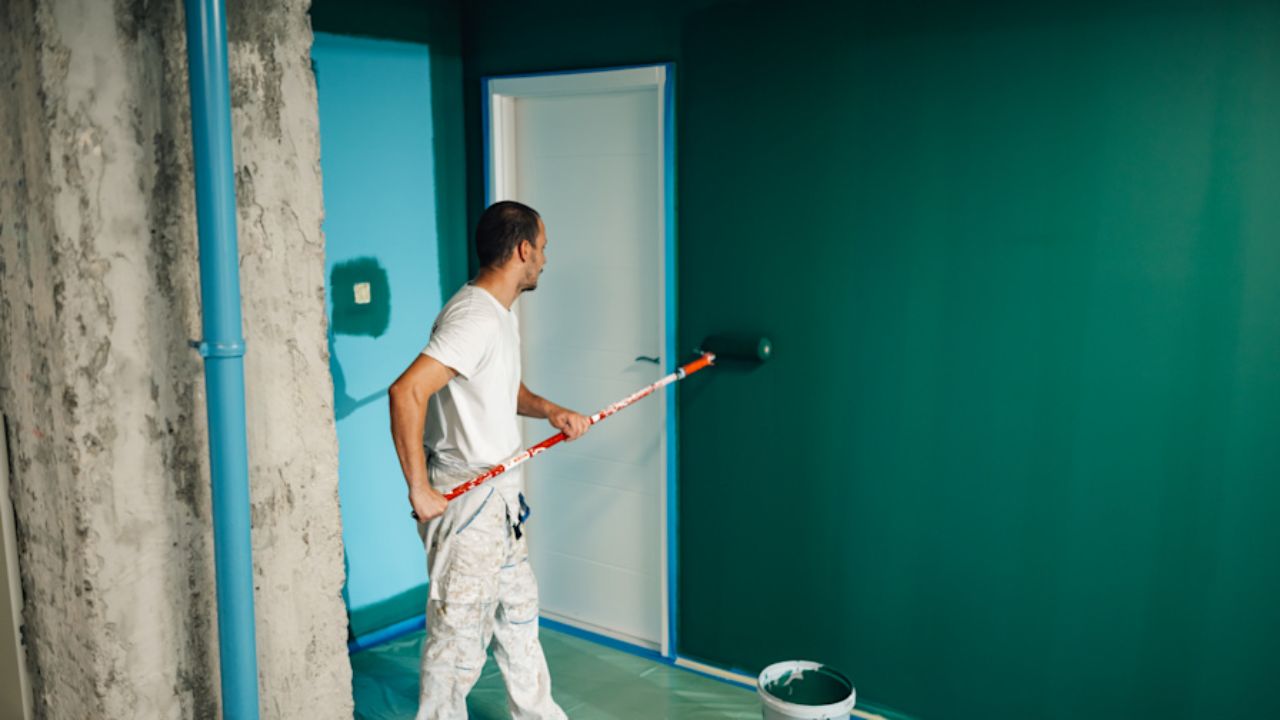
The exterior of your home is your first line of defense against weather. While a general rule is to repaint every 10 to 15 years, the specific material of your siding drastically changes that timeline.
Recommended Exterior Schedule
| Surface Type | How Often to Paint |
|---|---|
| Wood Siding | 3 – 7 years |
| Aluminum Siding | ~5 years |
| Stucco | 5 – 12 years |
| Brick (Painted) | 8 – 17 years |
Export to Sheets
Key Factors for Longevity
- Climate & Elevation: Higher elevations lead to faster UV erosion. High humidity and harsh winters also shorten paint life.
- Sun Exposure: South and southwest-facing walls deteriorate faster due to intense UV radiation.
- Color Choice: Dark colors absorb more heat and fade faster; lighter hues are more durable over time.
- Preparation: Peeling occurs much sooner if the surface wasn’t scraped and spot-primed before the last coat.
Interior Painting: High-Traffic vs. Low-Traffic Areas
Interior timelines are more subjective and depend heavily on how a room is used. Moisture and oils from hands are the primary “enemies” of interior paint.
Recommended Interior Schedule
- Kitchens & Bathrooms (3–4 years): Moisture and cooking grease break down coatings quickly.
- Hallways & Kids’ Rooms (2–3 years): High traffic leads to frequent scuffs and stains.
- Living & Dining Rooms (5–7 years): Lower traffic allows paint to last significantly longer.
- Ceilings: Typically painted only “as needed” to freshen up or hide texture issues.
Choosing the Right Sheen
Selecting the correct finish ensures the paint stands up to the room’s environment:
- Flat/Matte: Best for ceilings; hides imperfections.
- Eggshell/Satin: The “go-to” for most walls; easy to clean with a soft look.
- Semi-Gloss: Ideal for trim, doors, and bathrooms; highly moisture-resistant.
- High Gloss: Best for cabinets or high-touch surfaces; ultra-durable but shows every flaw.
Warning Signs: When to Repaint Immediately
If you notice these signs, you should repaint regardless of the timeline to prevent structural damage:
Exterior Red Flags:
- Chalking: If the paint rubs off like powder, the binder has failed.
- Cracking/Peeling: This exposes the underlying wood or stucco to rot.
- Exposed Siding: Any bare spot means your home is no longer protected from water.
Interior Red Flags:
- Bubbling: Usually a sign of moisture trapped behind the paint (common in bathrooms).
- Permanent Scuffs: When dirt can no longer be washed off without removing the paint.
The Bottom Line: Professional vs. DIY
Painting is often a bigger task than homeowners anticipate. Professionals offer higher quality finishes and handle the tedious prep work (sanding, caulking, and priming) that ensures the paint lasts.
Estimated Costs (2026):
- Interior (Whole House): $965 – $3,088 (Avg. $2.75/sq. ft.)
- Exterior: $1,819 – $4,551 (Varies by stories and siding type)
Whether you do it yourself or hire a pro, using premium, scuff-resistant, or weather-adaptive paints (like Sherwin-Williams Latitude) will almost always save you money in the long run by extending the time between projects.