WESTMORELAND COUNTY, PA – Pennsylvania regulators are facing a critical deadline as they weigh a controversial proposal that would allow treated minewater to be released into headwater streams feeding a stocked trout waterway in the Laurel Highlands.
The public comment window with the Pennsylvania Department of Environmental Protection (DEP) is officially set to close on Tuesday, June 30.
The Proposed Mine Expansion
At the center of the debate is a draft discharge permit for LCT Energy’s proposed Rustic Ridge II mine. The planned 2,300-acre underground operation in Westmoreland County would extract metallurgical coal used for steelmaking.
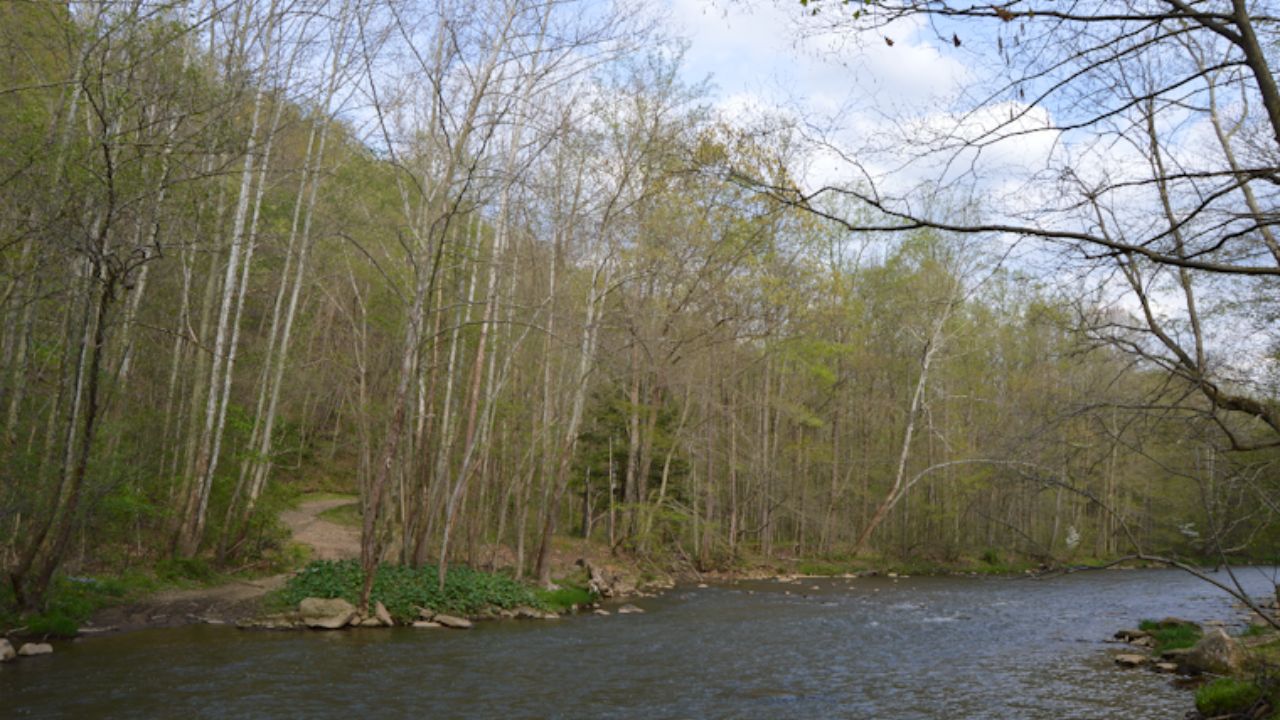
If approved, the permit would allow treated minewater to enter two critical headwater streams that drain directly into Jacobs Creek, a popular local coldwater fishery stocked with trout.
Environmental and Water Quality Concerns
While LCT Energy plans to treat the wastewater in settling ponds to lower acidity, environmental groups and local residents argue that “treated” does not mean entirely harmless. Local advocates point out that the project would still introduce significant risks:
- Chemical Pollutants: Treated water can still carry trace metals like iron, manganese, and aluminum.
- Thermal Pollution: Discharged minewater is often warmer than the receiving natural streams, threatening the coldwater habitat required by local trout.
- Habitat Destruction: Completing the project would require permanently destroying over 1,700 feet of Jacobs Creek headwaters and filling in half an acre of wetlands.
Past Subsidence Issues Raise Alarms
Community anxiety is heavily driven by LCT Energy’s nearby Rustic Ridge #1 mine. The room-and-pillar mining method used there previously caused underground subsidence, leading to structural sinking damage in several local homes. LCT Energy eventually purchased some of the damaged properties after acknowledging the issue.
How To Participate
The DEP is utilizing public input to shape the final permit conditions, monitoring requirements, and enforcement actions. Local residents, watershed groups, and stakeholders have until June 30 to formally submit their comments to the DEP before a final decision is reached.