
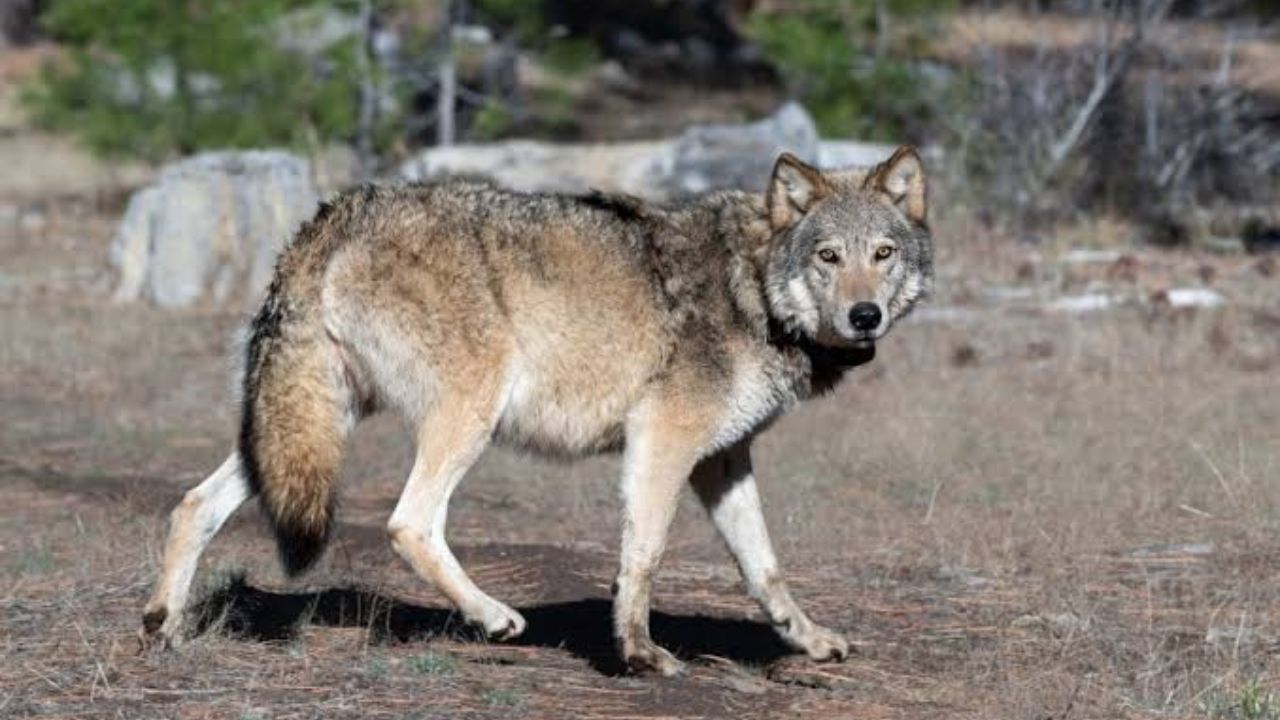
LOS ANGELES, CA – In a historic milestone for wildlife conservation, a wild gray wolf was recently documented in Los Angeles County, marking the first confirmed sighting of the apex predator in the area in more than 100 years.
The Historic Return of the Gray Wolf
By the 1960s, gray wolves had been systematically exterminated across most of the Lower 48 states due to threats to livestock. Following decades of federal protection under the Endangered Species Act and strategic reintroduction programs initiated in 1995, packs have naturally migrated back into the Pacific Northwest, the Sierra Nevada mountains, and now, Southern California.
Experts estimate the current wolf population in the Lower 48 stands between 5,500 and 6,000 birds.
Local wildlife biologists note that these animals are far more adaptable than originally anticipated, capable of thriving outside of designated wilderness areas and large national parks.
Southern California’s Broader Predator Resurgence
The gray wolf’s return is part of a larger, highly successful resurgence of apex species across Southern California, driven by decades of intensive habitat protection and public support:
- Bald Eagles: Driven to near extinction in the last century, experts estimate there are now over 300,000 wild bald eagles across the U.S. In Southern California, the famous Big Bear bald eagle couple, Jackie and Shadow, continue to draw hundreds of thousands of viewers via live webcams.
- California Condors: Coming remarkably close to total extinction with only 27 birds remaining on Earth in 1987, a captive breeding program led by the San Diego Zoo Safari Park has successfully restored the wild population to over 600, with approximately 400 flying free across the Southwest.
- American Black Bears: From a dwindling population of just 10,000 in California in 1980, conservation efforts have allowed the population to grow to more than 65,000. Densely populated communities in the San Gabriel Valley, including Monrovia and Arcadia, now frequently interact with these animals.
Managing Human-Wildlife Conflict
While conservationists celebrate these recoveries, the return of large predators brings challenges. Wildlife officials emphasize that wolves and mountain lions require large territories, which are currently fragmented by Southern California’s dense highway system.
To prevent human-wildlife conflict and maintain biodiversity, massive investments are being made into urban wildlife bridges to allow wide-ranging animals to safely cross major freeways to find food and mates without entering residential zones.