
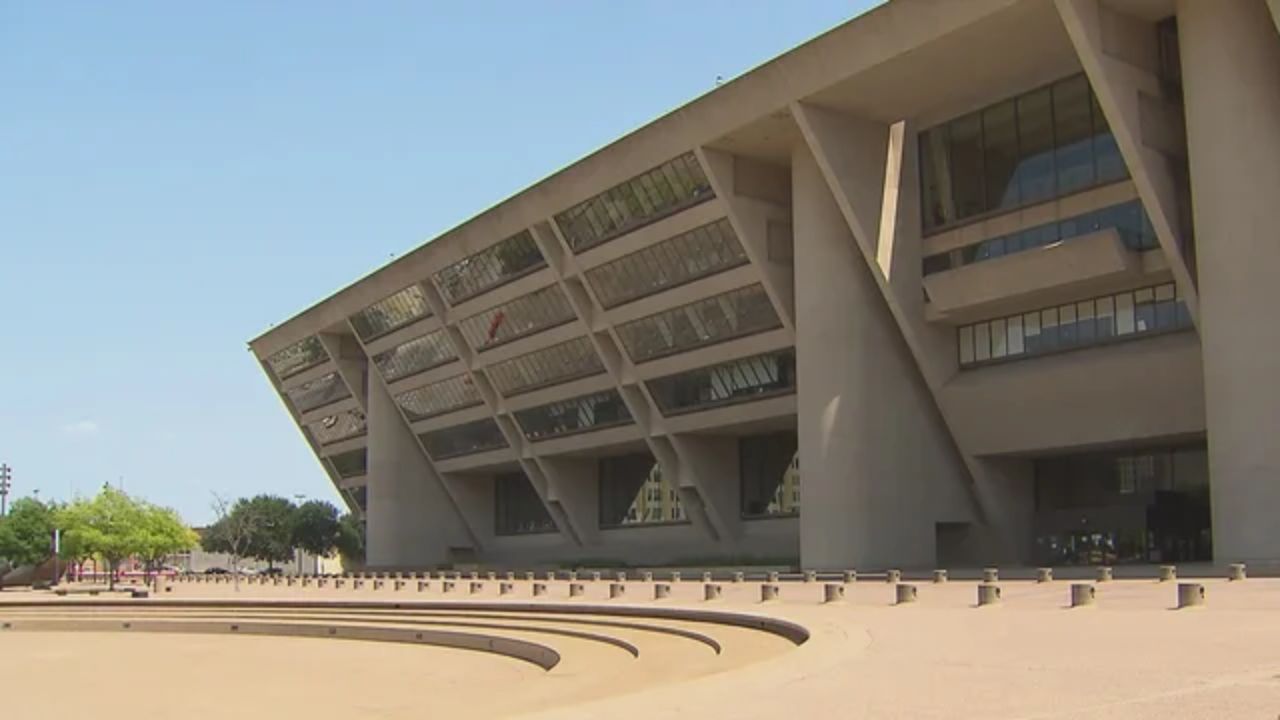
Dallas, Texas – A newly released city assessment estimates that repairing and modernizing Dallas City Hall could cost as much as $1.1 billion over the next two decades, with the building potentially needing to be vacated for at least five years during major renovations. The long-awaited report outlines extensive structural, mechanical, and accessibility issues inside the nearly five-decade-old municipal landmark.
City officials released more than 1,000 pages of findings detailing water intrusion, concrete deterioration, and structural concerns where the building connects to its parking garage. While inspectors did not find widespread structural instability, they warned that localized deficiencies require urgent attention.
Incident Overview: Structural and Compliance Concerns Identified
The assessment focuses on the 47-year-old Dallas City Hall building, which first opened in 1978. Engineers identified multiple areas where deterioration has occurred over time, including cracks in concrete, aging infrastructure systems, and long-standing maintenance gaps.
According to the report, there was “no evidence of widespread structural instability”, but it emphasized that multiple localized deficiencies must be addressed to prevent worsening conditions.
In addition to physical wear and tear, officials found that many parts of the building fail to meet current standards under the Americans with Disabilities Act (ADA). The report identified hundreds of non-compliant areas that would require substantial upgrades to meet modern accessibility requirements.
Urgent Repairs and Soaring Costs
The city estimates $329 million in immediate urgent repairs. However, the cost increases dramatically when factoring in comprehensive modernization and code compliance, bringing the potential long-term total to $1.1 billion.
Dallas City Council member Chad West, who chairs the city’s finance committee, highlighted the magnitude of the decision ahead.
“We need to compare the cost of renovating City Hall, bringing it up to code, because it’s frankly not under code right now,” West said. “I think we’re all feeling sort of the implications of what a landmark decision this is going to be for our city.”
Officials also noted that patchwork repairs over the years have complicated the building’s current condition, making full system replacements more practical than continued temporary fixes.
Breakdown of Projected Spending
The report outlines where major funding would be allocated:
- $47 million for roof and exterior upgrades
- $9 million for interior repairs
- $211 million for HVAC and plumbing systems
- More than $60 million for structural and parking garage repairs
Beyond these categories, modernization of outdated technology systems and safety improvements would add further costs over time.
City officials also indicated that the building would likely need to be vacated for at least five years to complete large-scale structural and mechanical renovations safely.
Debate Over the Future of the Landmark
The future of Dallas City Hall has been under discussion since November 2025, when some council members questioned whether investing hundreds of millions — now potentially over a billion dollars — makes financial sense.
Mayor Eric Johnson previously stated that he wanted a full review of the facts before deciding whether to renovate or consider alternative solutions.
Preservationists have urged caution against abandoning the building, noting that it was designed by internationally renowned architect I.M. Pei and remains a significant example of modernist civic architecture. Supporters argue that replacing the structure could erase an important part of Dallas’ architectural identity.
Others argue that the rising cost estimates raise serious questions about long-term fiscal responsibility, especially given competing infrastructure and public safety needs across the city.
Timeline for Council Review
The finance committee is scheduled to review the report on Monday. After that, the proposal will move to the economic development committee on March 2, followed by consideration by the full Dallas City Council on March 4.
Council members will need to weigh repair costs, public accessibility requirements, historical preservation concerns, and long-term taxpayer impact before making a final decision.
Broader Public Impact
If City Hall is vacated for five years, city operations would need to relocate temporarily, potentially affecting public services, permitting offices, and council meetings. Officials have not yet outlined a detailed relocation plan.
Major public building renovations of this scale can also influence local budgets, bond measures, and property tax discussions. Residents may ultimately see financial implications depending on how the city chooses to fund the work.
Conclusion
Dallas City Hall now faces a pivotal moment. With repair estimates reaching up to $1.1 billion, city leaders must decide whether to invest heavily in restoring the aging landmark or consider alternative paths. The coming weeks will shape the future of one of Dallas’ most recognizable civic buildings.
What do you think the city should do — renovate or reconsider? Share your experiences in the comments below.