Closing arguments have been delivered in a deeply disturbing foster care case that has gripped an Ontario community, where two women stand accused of subjecting their foster children to extreme abuse — abuse prosecutors say ultimately led to the death of a 12-year-old boy.
Brandy Cooney, 44, and Becky Hamber, 46, have pleaded not guilty to multiple charges, including first-degree murder, confinement, assault with a weapon, and failing to provide the necessaries of life. The charges stem from allegations that the pair systematically deprived two brothers in their care of food, warmth, and basic human dignity.
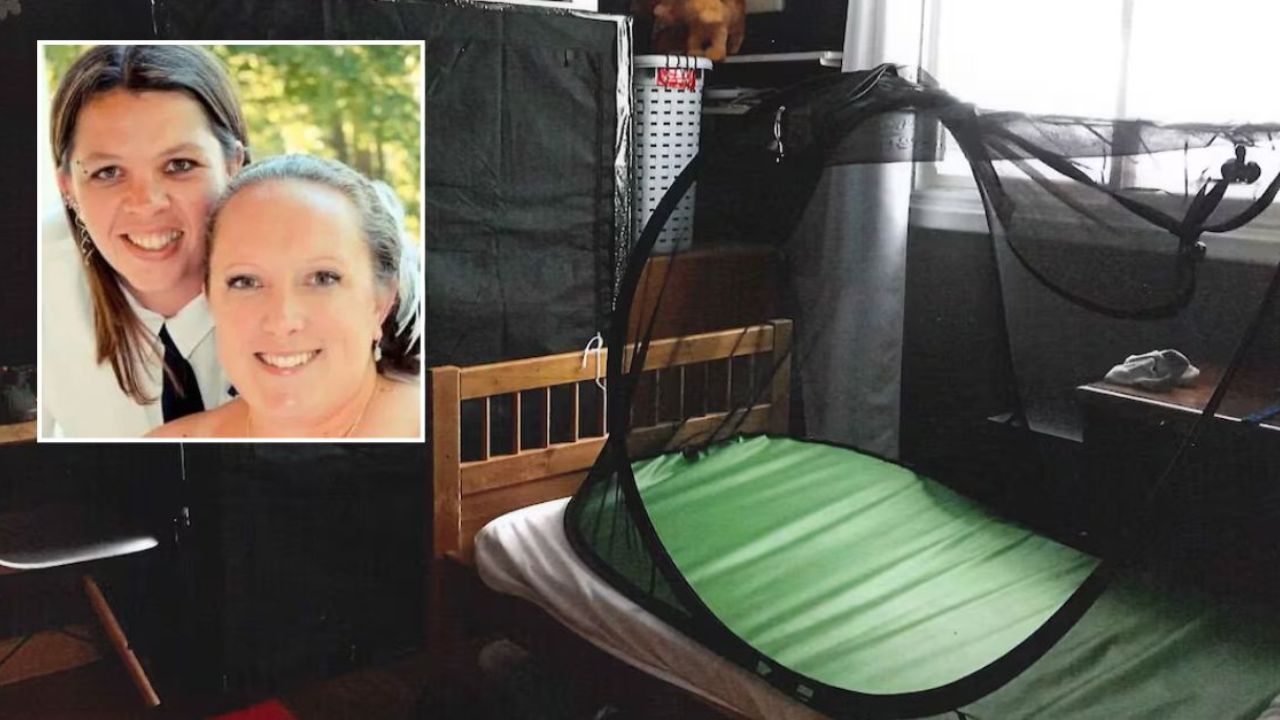
Authorities launched an investigation on Dec. 21, 2022, after first responders were called to the couple’s home in Milton, Ontario. Inside, they discovered 12-year-old L.L. unresponsive in a locked basement room. According to court testimony, the boy was soaking wet, covered in vomit, and severely malnourished. Witnesses described him as so emaciated that, despite being 12 years old, he appeared closer to the size of a 6-year-old child.
He was later pronounced dead. A forensic pathologist suggested hypothermia or cardiac arrest brought on by extreme malnourishment as possible causes, though the precise cause of death could not be definitively determined.
Prosecutors allege that the abuse was not incidental or misguided parenting, but deliberate and cruel. In closing arguments, they described a pattern of punishment that included isolating the boys, forcing them to wear wet suits and helmets, and compelling them to exercise — even while deprived of adequate nutrition — allegedly to generate body heat. Text messages presented in court painted a chilling picture. In one message, one of the accused allegedly wrote, “Shiver shiver dumb f—,” while discussing the children. In another exchange about a month before L.L.’s death, Cooney allegedly texted Hamber: “Unfortunately my thoughts [are] he is suddenly going to die and im going to jail.” Prosecutors argued that this message demonstrated awareness of the potentially fatal consequences of their actions.
The younger brother, identified in court as J.L., survived. However, prosecutors contend that both children endured severe physical and psychological mistreatment over an extended period.
The defense team has pushed back forcefully against the prosecution’s narrative. Defense attorneys argue that the children were challenging to manage and had behavioral and developmental difficulties. They maintain that the use of helmets and wet suits was intended as protective measures — to prevent self-harm and manage hygiene issues — rather than as tools of punishment. The defense also emphasized that child protection workers and healthcare professionals had visited the home during the time the boys were living there and did not formally object to the caregiving methods being used.
Throughout the trial, emotional testimony has underscored the complexity and tragedy of the case. A former foster parent of the brothers described the prolonged legal proceedings as agonizing, saying the case feels endless for those connected to the children.
Because the case is being heard without a jury, the final decision rests solely with Superior Court Justice Clayton Conlan. He will determine whether the evidence proves beyond a reasonable doubt that the accused committed the crimes alleged — including whether L.L.’s death meets the legal threshold for first-degree murder.
The ruling, when delivered, is expected to bring some measure of resolution to a case that has raised difficult questions about foster care oversight, accountability, and the vulnerability of children placed in protective systems meant to keep them safe.