
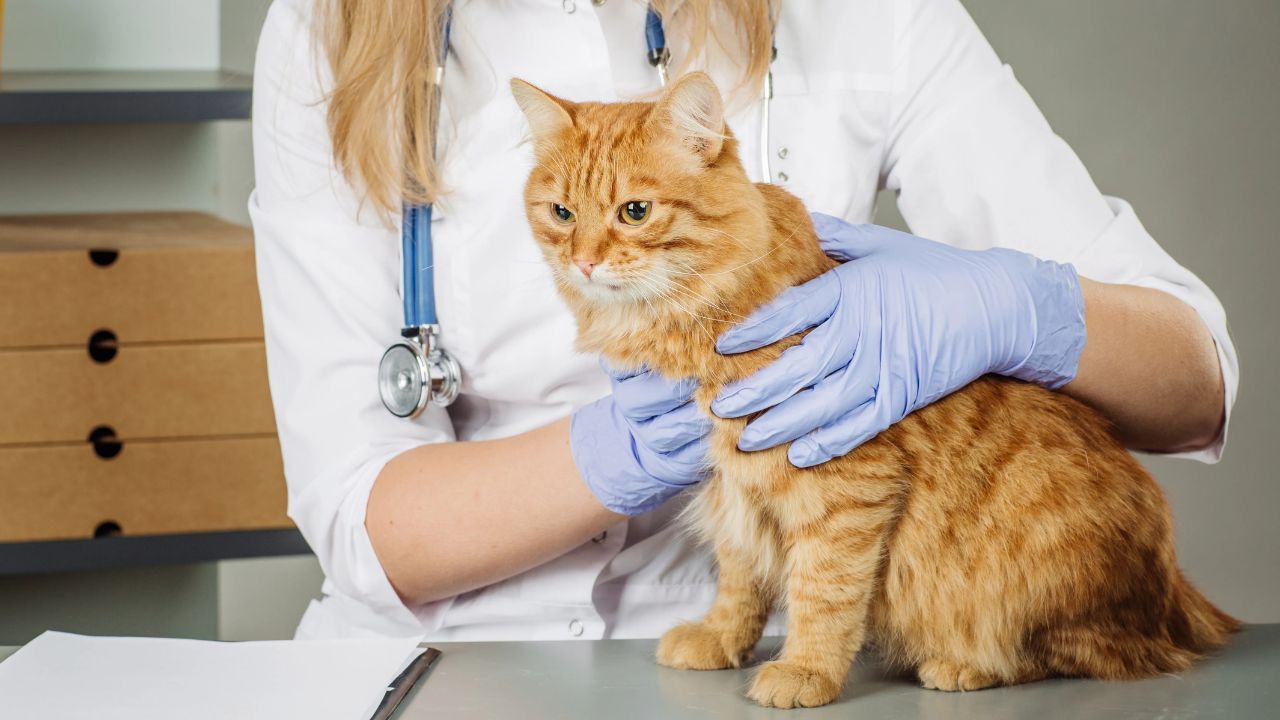
Los Angeles, California — The U.S. Centers for Disease Control and Prevention (CDC) has confirmed what could be the first documented case of bird flu transmission from a domestic cat to a human, raising new concerns about how the virus may spread between animals and people.
The findings were published in a CDC study released on May 7, adding to growing fears surrounding the spread of the H5N1 bird flu strain in mammals.
CDC Identifies Possible Cat-to-Human Transmission
According to the CDC, a person who came into contact with an infected pet cat later showed evidence of contracting the virus through blood serum testing.
The agency said the findings “represent serologic evidence of possible transmission of influenza A(H5N1),” signaling a potentially significant development in the ongoing monitoring of bird flu cases.
The infected individual was a veterinary professional who had exposure to one of several infected cats in Los Angeles County between November 2024 and January 2025.
Multiple Cats Became Sick and Died
Health officials reported that 19 pet cats from five households developed severe illnesses involving respiratory, liver, or neurological symptoms.
Out of those cases, 14 cats either died or were euthanized because of the severity of their conditions.
Authorities traced the illnesses to exposure to contaminated raw animal products.
According to the study, all the affected cats had consumed commercially purchased raw milk, raw meat, or raw pet food before becoming sick.
Nine cats underwent laboratory testing and all tested positive for the same strain of bird flu: H5N1 clade 2.3.4.4b, genotype B3.13.
Veterinary Worker Tested Positive
Investigators identified 139 people who may have been exposed to infected cats through homes, veterinary clinics, or animal transportation services.
Of the 25 individuals who underwent blood serum testing, one veterinary worker showed evidence of a prior H5N1 infection after exposure to an infected cat.
The worker reportedly remained asymptomatic and had initially tested negative for influenza A seven days after exposure.
Because the individual showed no symptoms, officials said no formal interview was conducted at the time, leaving the exact nature of the contact with the infected cat unclear.
Still, researchers said the evidence strongly suggests possible zoonotic transmission.
“These findings provide evidence of zoonotic transmission of influenza A(H5N1) virus from domestic cats to humans,” the study’s authors wrote.
CDC Issues Warning to Pet Owners
Following the findings, health experts urged pet owners to avoid feeding raw animal products to cats due to the potential risk of contamination.
“Pet owners are advised not to feed raw animal products to cats. Veterinary professionals should be aware of infection risks, use appropriate personal protective equipment, and adhere to recommended infection control practices to reduce the risk for zoonotic transmission of influenza A (H5N1).”
Huge Sinkhole Opens Without Warning on Busy New York Expressway, Nearly Sending Car Plunging Inside
The warning comes amid increasing concerns about how bird flu viruses may continue adapting to infect mammals more easily.
Growing Number of Human Bird Flu Cases
Bird flu, also known as highly pathogenic avian influenza (HPAI), is caused by viruses that can infect birds and mammals, sometimes resulting in severe illness or death.
The H5N1 subtype has been linked to outbreaks across the United States during 2024 and 2025.
According to the CDC, there have been 71 confirmed human bird flu cases in the U.S. since February 2024.
Officials said 64 cases were linked to monitoring programs involving cattle and poultry farm exposure, while seven were detected through national flu surveillance systems.
So far, two human deaths have been reported.
The latest findings involving domestic cats are likely to intensify concerns among health experts monitoring the evolving virus and its potential risks to humans.
Do you think enough is being done to monitor and prevent the spread of bird flu? Share your thoughts respectfully in the comments below.