Midwest City, Oklahoma – A Midwest City resident says he has been left with serious injuries and mounting financial losses after his damage claim was denied following a police pursuit that ended in a crash involving his parked vehicle. The incident occurred when officers used a PIT maneuver to stop a fleeing driver, causing the suspect’s car to collide with the bystander’s truck.
The man, who says he was completely uninvolved in the pursuit, is now facing medical bills and vehicle replacement costs totaling nearly $50,000, despite assurances he says he received at the scene.
Incident Overview
The crash happened during a police chase in Midwest City when officers attempted to stop a suspect vehicle using a precision immobilization technique. The maneuver sent the fleeing car out of control and directly into a truck parked on the side of the road.
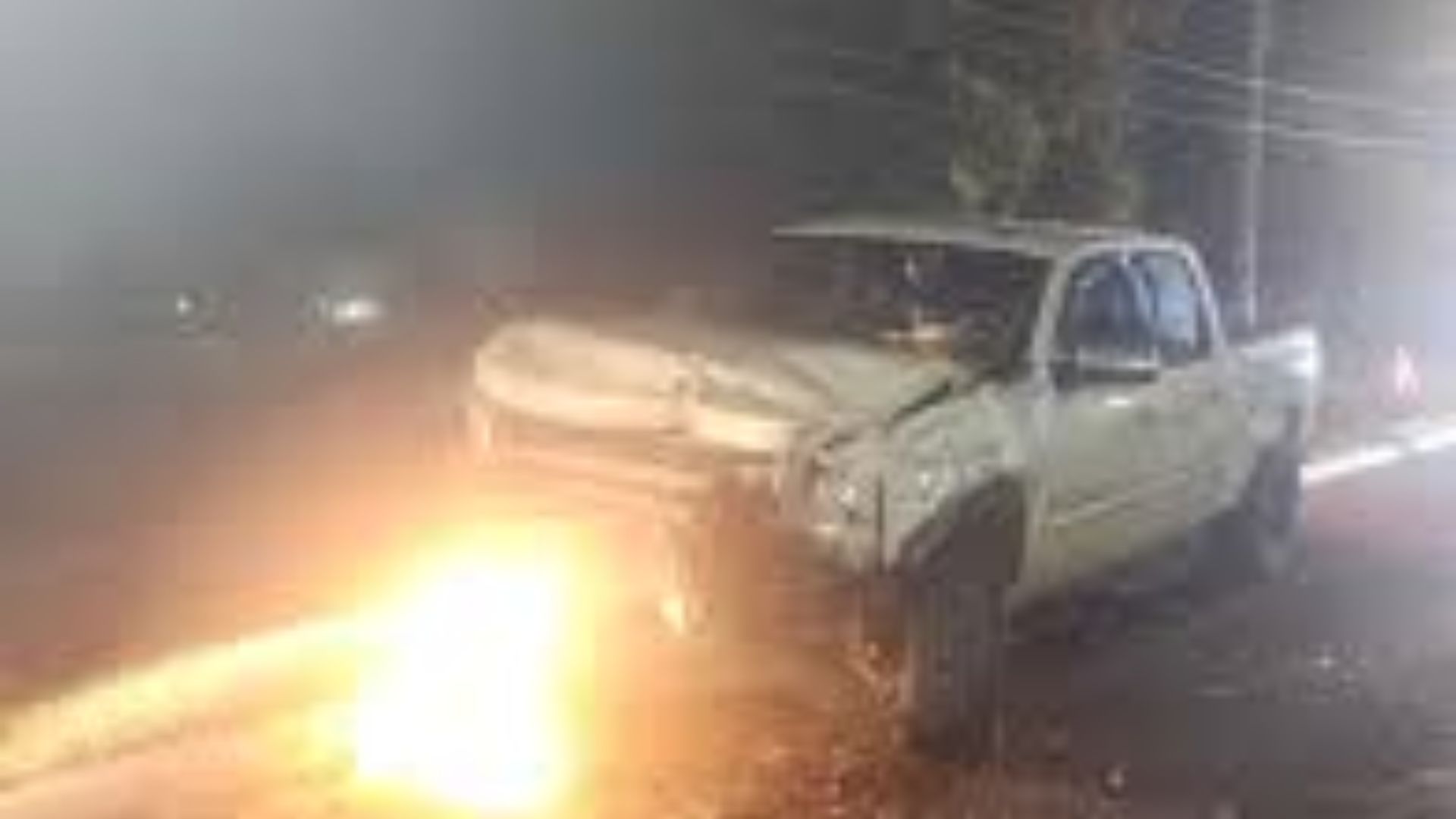
The parked vehicle belonged to Rocky Clark, a Midwest City resident who says he was pulled over and stationary when the collision occurred. Clark suffered injuries and lost his truck as a result of the impact.
Timeline of Events
According to Clark, the incident unfolded quickly and without warning.
He was sitting inside his truck on the roadside when he noticed police lights approaching at high speed. Moments later, the suspect vehicle was forced into his path.
“The next thing I know, he’s coming head-on at me, and he hit me,” Clark said.
Police had executed a PIT maneuver on the fleeing driver, which caused the suspect’s vehicle to spin and strike Clark’s truck. The impact resulted in significant damage and physical injury.
Injuries and Financial Impact
Clark says the crash left him with long-term physical issues and severe financial strain.
Between the destruction of his truck and medical treatment following the collision, Clark estimates his losses exceed $50,000. He continues to experience lingering health problems months later.
“I still have nerve damage on my left shoulder,” Clark said.
Clark emphasized that he had no role in the police pursuit and was simply in the wrong place at the wrong time when the crash occurred.
Assurances Given at the Scene
After the collision, Clark says officers on scene told him he would be taken care of and that the situation appeared straightforward.
“I was told that I’d be taken care of multiple times, and I believed that I would be taken care of because it’s pretty cut and dry,” Clark said.
Based on those assurances, Clark says he felt confident filing a claim to recover his losses.
Claim Review and Denial
Following the crash, Clark submitted a claim through the Oklahoma Municipal Assurance Group, the agency responsible for handling liability claims on behalf of participating cities.
However, Clark later received a letter stating that his claim would not be approved.
The letter explained that after reviewing the circumstances and applicable Oklahoma law, the agency recommended denial of the claim to the Midwest City.
“After a thorough review of the circumstances surrounding your claim and the applicable Oklahoma statutes and case law, we are recommending denial of this claim to the City of Midwest City.”
The letter further stated that investigators found no evidence that the officer involved acted in an unsafe or reckless manner that would meet the legal threshold for city liability.
Reaction From the Injured Bystander
Clark says the decision came as a shock and left him feeling abandoned.
“Couldn’t believe it. I never thought I’d be denied,” he said.
He expressed frustration that, despite being an innocent bystander and suffering documented injuries, he is now responsible for the financial fallout.
Clark also noted that the denial contradicts what he believed officers had communicated to him immediately following the crash.
Additional Context on Police Pursuits and Liability
Police pursuit crashes often raise complex legal questions, particularly when third parties are injured. Under Oklahoma law, municipalities are generally shielded from liability unless an officer’s actions can be proven reckless or outside accepted procedures.
PIT maneuvers are considered a standard law enforcement tactic when used under approved policies, which can make claims involving unintended bystanders difficult to pursue.
According to reporting by the Midwest City Beacon, the claim denial hinges on whether the officer’s actions legally meet the standard for negligence or recklessness under state statutes.
Conclusion
For Rocky Clark, the outcome means absorbing tens of thousands of dollars in losses while continuing to recover from injuries caused by a police pursuit he had no part in. As the claim denial stands, Clark says he is left searching for answers and accountability.
Call to Action
Incidents involving police pursuits can have serious consequences for uninvolved motorists and pedestrians. If you have experienced a similar situation or have insights into how these cases should be handled, share your experiences in the comments below.