WASHINGTON, D.C. – Public health officials are urging outdoor enthusiasts to use extreme caution after cases of the rare and potentially fatal Powassan virus reached a historic high in the United States.
Data from the Centers for Disease Control and Prevention (CDC) shows that 76 Americans were diagnosed with the virus in 2025, marking the highest annual total on record. Previously, the U.S. averaged just seven to eight diagnoses each year.
The 15-Minute Transmission Threat
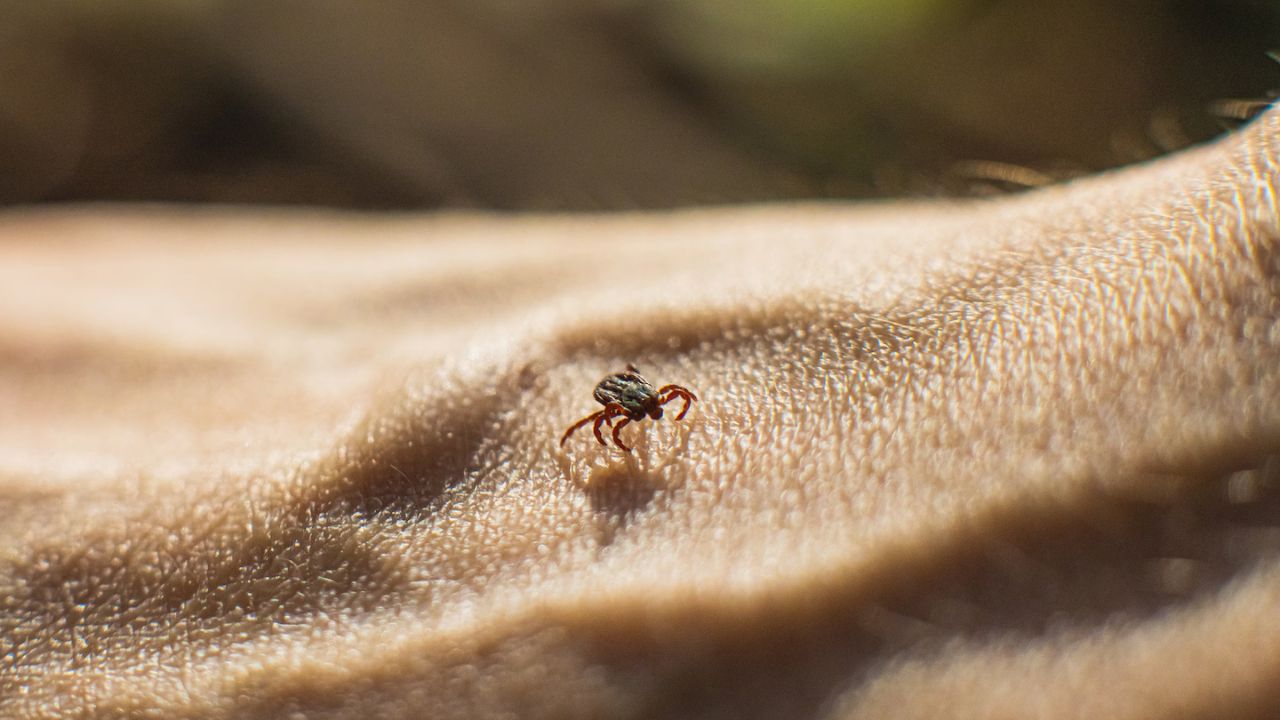
Unlike Lyme disease, which typically requires a tick to be attached for 36 to 48 hours to transmit bacteria, Powassan virus can be transmitted in as little as 15 minutes after an infected tick bites.
The virus is primarily spread through the bite of infected woodchuck ticks or deer ticks. Because tick populations peak during warm weather, the risk is highest from late spring through mid-fall.
Symptoms And Neurological Risks
The virus has an incubation period of one to four weeks. While some individuals remain asymptomatic, initial symptoms typically include:
- Fever and severe headaches
- Vomiting
- General body weakness
In severe cases, the virus can progress to dangerous neurological complications, including encephalitis (inflammation of the brain) and meningitis (inflammation of the spinal cord membranes). This can lead to confusion, loss of coordination, difficulty speaking, and seizures.
Critical Fact: Approximately 10% of Powassan cases involving severe neurological disease are fatal. Many survivors are left with long-term neurological issues.
No Vaccine Or Cure Available
Currently, there are no specific medications or vaccines to treat or prevent Powassan virus. Medical care is strictly limited to supportive therapy, such as intravenous (IV) fluids and respiratory support.
While anyone can contract the illness, children, older adults, and immunocompromised individuals face the highest risk of developing severe complications. Experts advise anyone spending time in wooded or tall-grass areas to use EPA-registered insect repellents and perform thorough tick checks immediately upon returning indoors.