
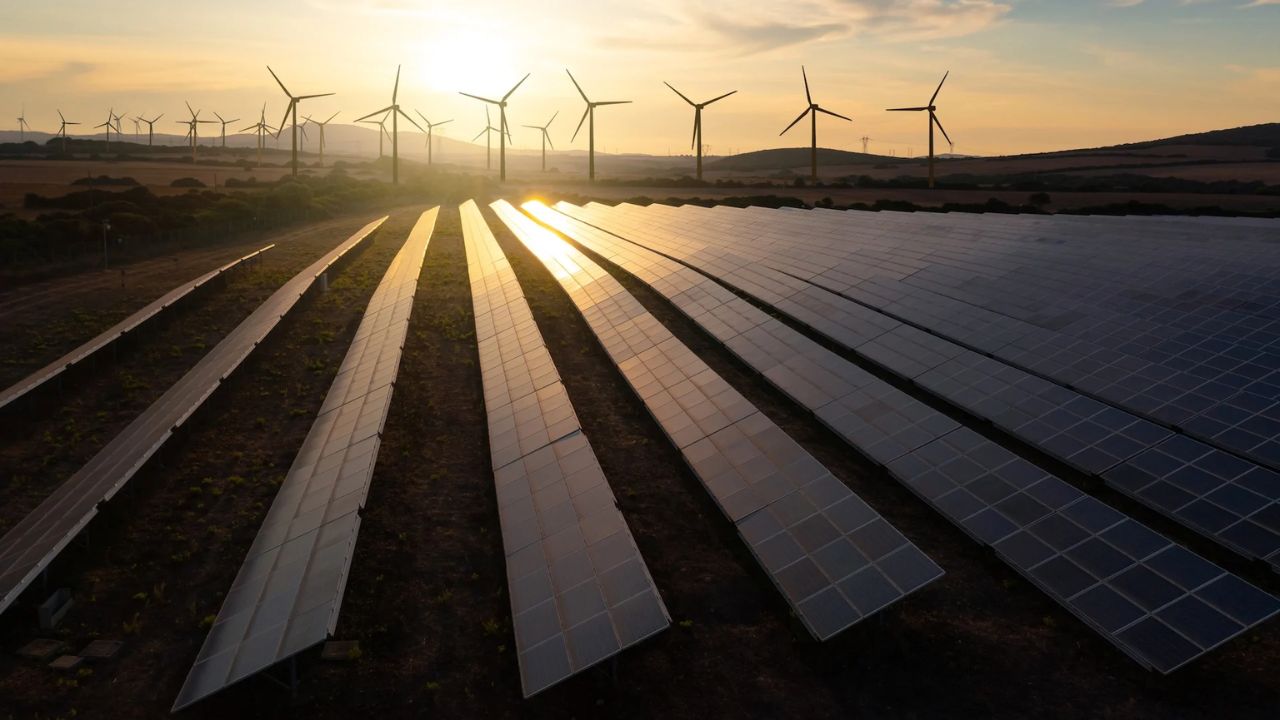
COLUMBUS, OH – A new report from Save Ohio Parks reveals that state policy decisions have blocked thousands of megawatts of cheaper wind and solar power from reaching the grid, directly impacting Ohio households facing rising energy bills.
Major Solar Project Blocked
At the center of the growing dispute is the 800-megawatt Oak Run Solar Project, which is slated to be the largest solar installation in Ohio. Recently, the Ohio Supreme Court blocked a crucial permit required for its development.
This decision has created deep uncertainty for renewable energy developers attempting to navigate Ohio’s rigorous and complex approval system.
The 5.3 Gigawatt Clean Energy Bottleneck
According to the analysis, state lawmakers and regulators have stopped more than 5.3 gigawatts of wind and solar development over the last 12 years. The group points to two major policy shifts:
- The 2014 Rule Change: Strict updates to wind turbine rules effectively stalled more than 3.3 GW of wind projects.
- Senate Bill 52 (2021): This law granted counties the authority to prohibit large wind and solar developments, a power they do not hold over fossil fuel or nuclear plants.
Additionally, the Ohio Power Siting Board has emerged as a major hurdle, rejecting eight renewable proposals accounting for over 1.1 GW of solar capacity since 2021.
Rising Bills and Surging Power Demand
These grid restrictions come at a critical time as power demand in Ohio surges, largely driven by a massive influx of new data centers.
Advocates argue that the blocked clean energy projects could have absorbed a significant portion of this demand. Without these cheaper power options, local utilities and consumers are left with less flexibility as electricity rates continue to climb.
What Consumer Advocates Are Saying
“It’s a lot of inexpensive power that we don’t have available to us, and it means fewer choices for consumers,” said Tom Bullock, executive director for the Citizens Utility Board of Ohio. “Boy, would that come in handy right now when electricity prices keep going up.”
Beyond financial savings, advocates note that delaying these projects deprives local Ohio communities of potential clean energy jobs, steady tax revenue, and reduced air pollution.