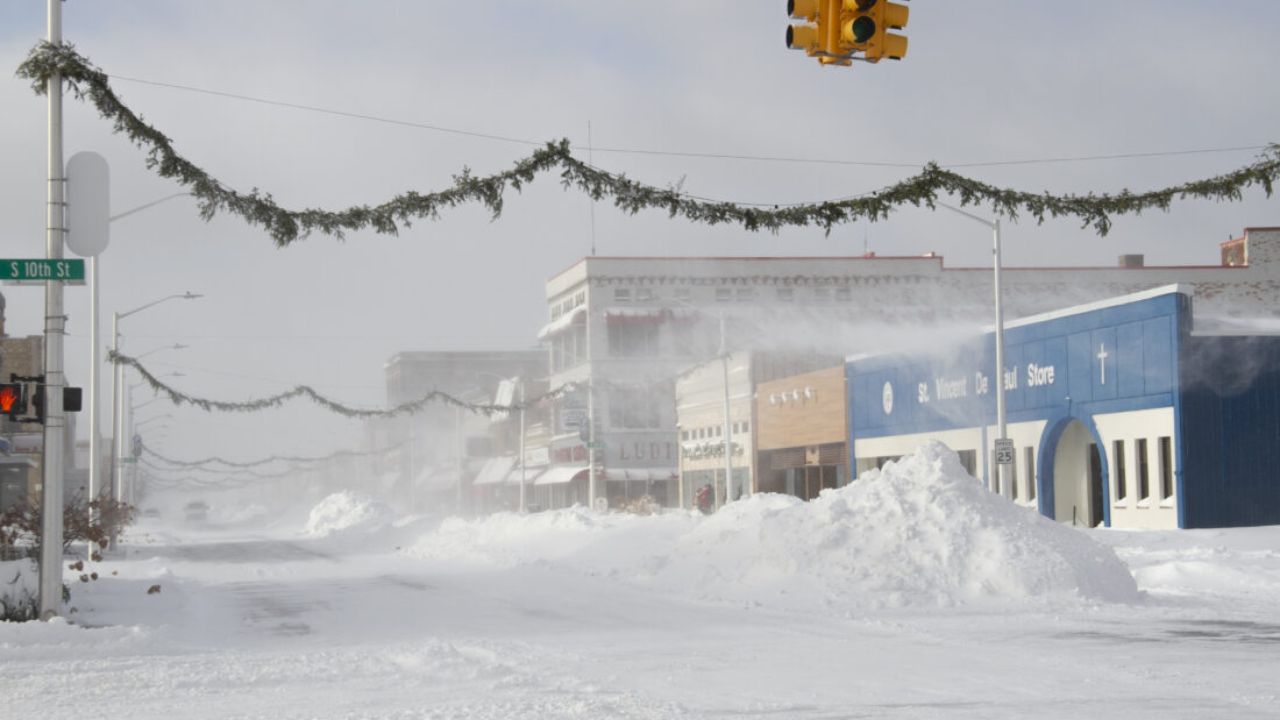
A long-awaited winter storm finally delivered much-needed moisture across parts of Colorado on Friday, bringing light snowfall to the Denver metro area and significantly higher totals to the mountains and the Palmer Divide.
Official measurements from Denver International Airport showed just 1 inch of snow, highlighting how limited the impact was across the urban corridor. However, snowfall totals increased rapidly outside the metro area, especially in higher elevations and terrain-favored locations.
Where the Heaviest Snow Fell
The highest snowfall amounts were reported in the mountains and areas along the southern Palmer Divide, where colder air and upslope conditions allowed snow to accumulate more efficiently throughout the day.
Several mountain locations picked up between 6 and 12 inches of snow, providing a notable boost to the snowpack and improving conditions for winter recreation.
Mountain Ski Areas See Welcome Boost
For those heading to the slopes, Friday’s storm delivered a timely refresh. Many Colorado mountain ski areas reported fresh powder ranging from half a foot to a full foot, helping improve trail coverage and surface conditions heading into the weekend.
While not a major snowstorm by mountain standards, the consistent snowfall was enough to enhance skiing and snowboarding conditions, particularly on higher-elevation terrain.
Palmer Divide and Foothills Stand Out
Areas south of Denver along the Palmer Divide once again outperformed the metro area. These locations frequently see higher totals during winter storms due to elevation and terrain-driven lift, and Friday’s system followed that familiar pattern.
Localized totals in these zones were several inches higher than what was recorded across Denver and surrounding suburbs.
Looking Ahead
Although Denver’s snowfall was modest, the storm contributed valuable moisture to Colorado’s snowpack, especially in the mountains where it matters most for water supply and recreation. Forecasters note that even smaller systems like this play an important role during the winter season.
Residents and travelers are encouraged to continue monitoring forecasts, particularly if heading into higher elevations where winter driving conditions can change quickly despite lighter snow in the metro area.