NATIONAL NEWS — The era of the dusty corner gas station is fading, and even the world’s biggest convenience giant isn’t immune to the change. 7-Eleven has officially announced a sweeping “portfolio optimization” plan that will see the closure of 645 locations during its 2026 fiscal year (March 1, 2026, through Feb. 28, 2027).
But this isn’t just a retreat—it’s a total reinvention. As the chain nears its 100th anniversary, it is ditching underperforming storefronts to make room for a new generation of “food-forward” destinations designed to compete with rising rivals like Wawa, Sheetz, and Buc-ee’s.
Why the Closures? The Death of Cigarettes and Snacks
The decision to axe hundreds of stores comes after a rough couple of years for traditional convenience metrics. According to corporate reports, the backbone of the “old” 7-Eleven model is crumbling:
- Tobacco Decline: Cigarette sales, once a primary profit driver, have plummeted 26% since 2019.
- Inflation Pressures: Rising costs and decreased foot traffic have made smaller, older “pit stop” locations less profitable.
- The Competition: Modern consumers are increasingly choosing competitors that offer high-quality, fresh meals rather than just pre-packaged snacks.
This latest wave of 645 closures follows a trend; the company already shuttered over 600 stores across 2024 and 2025.
The “Food-Forward” Future
If your local 7-Eleven survives the cut, expect it to look very different. The company is pivoting toward a “fast-casual” model. These redesigned stores focus on prepared meals, upgraded beverage bars, and international-inspired eats.
Recent tests of this format have been a massive success. 7-Eleven President Stan Reynolds noted that these food-centric stores are driving sales about 18% higher than the system average.
What can customers expect?
- Gourmet Menus: Forget just hot dogs; think miso ramen, Japanese-style milk bread, and premium egg sandwiches.
- Bigger Footprints: Newer locations will be larger, cleaner, and offer more seating.
- Wholesale Fuel Stores: A new format designed for high-volume travel stops.
The Road to 2027: A Billion-Dollar Glow-Up
This massive reshuffle is part of a high-stakes “pregame” for 7-Eleven’s parent company, Seven & I Holdings. The group is preparing to take the convenience giant public with an IPO now slated for 2027. By closing 645 weak links and opening roughly 205 high-performing, food-focused stores next year, the company aims to tighten operations and boost its valuation before hitting the stock market. Industry analysts describe the move as a “transformation” rather than a simple expansion—a shift from a convenience store to a hybrid of a restaurant and a grocery outlet.
What Happens Next?
While the specific list of closing addresses has not been released to the public, the company is expected to target older, smaller urban corner stores that lack the space for a full kitchen. Meanwhile, a 500-store expansion blitz is planned through 2027, focusing on high-traffic suburban areas and transit corridors.
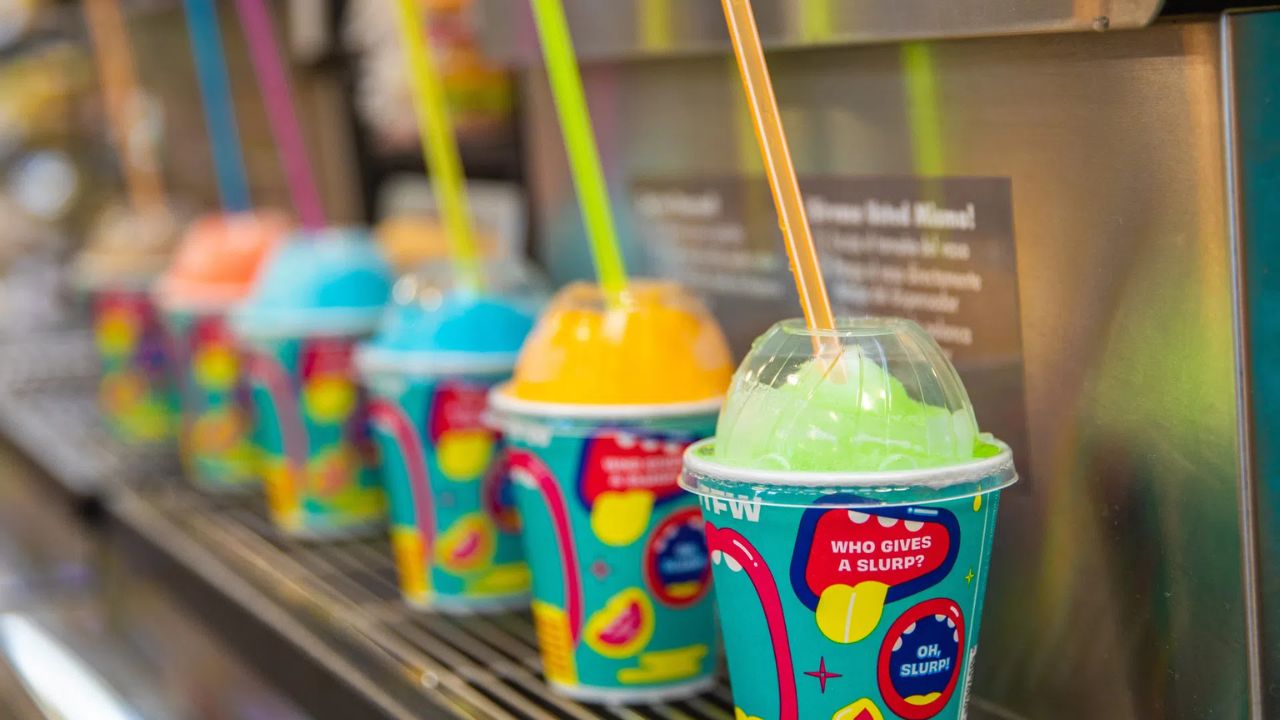
For the American commuter, the message is clear: The Slurpee is staying, but the experience around it is getting a major upgrade.
What do you think about 7-Eleven’s new direction? Will you miss the old corner-store vibe, or are you ready for miso ramen at a gas station? Let us know in the comments below!