
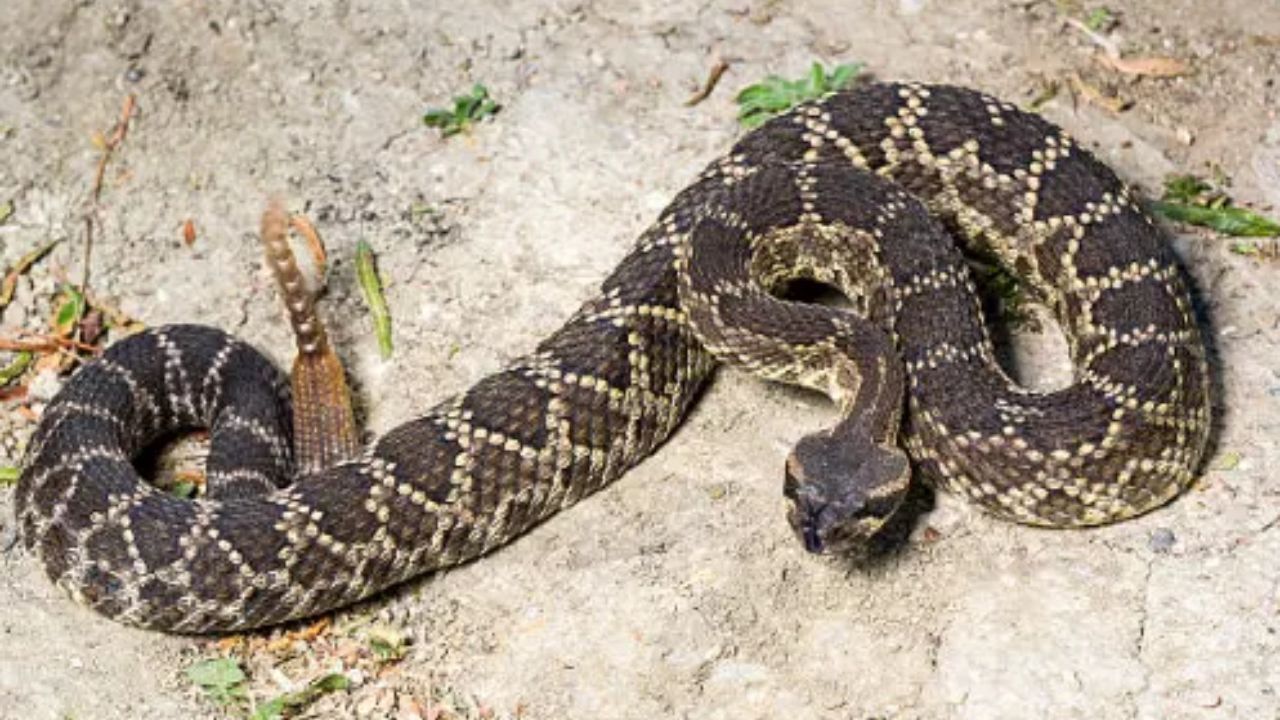
DENVER, CO – As spring temperatures rise across Colorado, wildlife experts are warning residents and hikers to stay alert for rattlesnakes emerging from their winter dens.
The Spring Awakening
According to Colorado Parks and Wildlife (CPW), rattlesnakes typically end their winter “brumation” in late March and early April. Once active, adult snakes often migrate several kilometers in search of food, frequently using sun-warmed pavement and hiking trails to regulate their body temperature.
While these reptiles are generally non-aggressive and prefer to avoid human contact, experts note that encounters become more common in the late afternoon and evening when snakes are most active.
Safety Tips for Hikers and Families
National Park Service officials emphasize that staying calm is the most effective way to handle a snake encounter. Experts suggest the following precautions:
- Watch Your Step: Stay on clear paths and avoid reaching into ledges, cracks, or thick brush where snakes may be resting.
- Listen Closely: If you hear a rattle, stand perfectly still until you locate the snake, then slowly back away.
- Don’t Rely on the Rattle: Baby rattlesnakes do not have rattles yet but are still highly venomous, and adult rattles can sometimes break off.
- Wear Protection: Long heavy pants and high boots are recommended for those trekking in known habitats.
Protecting Pets and Children
Wildlife officials urge parents and pet owners to be extra vigilant. In wilderness environments, keep children close and ensure dogs remain on a short leash. Do not allow pets to sniff in holes or rock piles, as rattlesnakes use their natural camouflage to blend perfectly into these surroundings.
If you encounter a snake, experts say stepping back just a few feet is often enough to signal that you are not a threat, allowing the creature to move on safely.