Portland, Oregon — An Oregon man has won a significant legal victory after a jury awarded him $808,000 in a lawsuit involving the death of his beloved cat, which he claimed contracted bird flu after consuming raw chicken cat food sold by a pet food company.
The verdict comes after more than a year of legal proceedings and renewed concerns about the risks associated with raw pet food products.
Cat Fell Ill After Eating Raw Chicken Product
According to court filings, Tim Hanson purchased raw chicken cat food from Wild Coast Pet Foods in late January 2025 after seeing marketing materials that described the product as “USDA inspected” and meeting “the high standards for human food.”
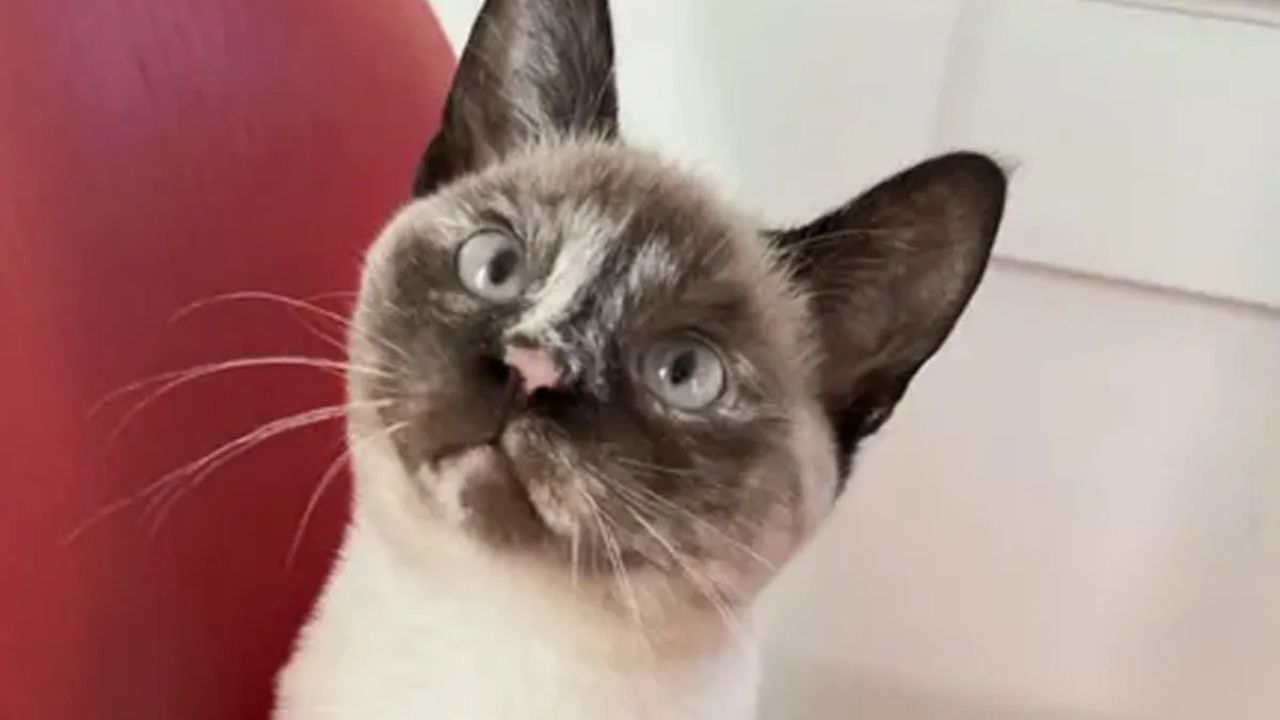
The lawsuit alleged that Hanson’s 4-year-old Siamese mix cat, Kira, became seriously ill shortly after consuming the food.
Authorities later confirmed that Kira tested positive for H5 bird flu, leading to a quarantine order affecting both her and Hanson’s other cats.
Despite extensive medical treatment, Kira’s condition continued to deteriorate.
According to court documents, the cat underwent several veterinary visits, including treatment at an emergency animal hospital, before being euthanized on Feb. 9 at DoveLewis Veterinary Hospital in Portland.
Lawsuit Claimed Company Failed to Warn Customers
Hanson’s lawsuit argued that Wild Coast Pet Foods failed to adequately disclose the risks associated with raw chicken products sourced from regions experiencing bird flu outbreaks.
According to the complaint, the company allegedly obtained raw chicken from California and Washington, two states that had reported significant bird flu activity.
The lawsuit stated:
“Defendant omitted that cats are particularly susceptible to exposure to the H5 bird flu virus in raw chicken.”
The filing further alleged:
“Plaintiff would not have purchased defendant’s cat food had defendant not omitted the information above about the cat food’s high risk of exposure to the H5 bird flu virus.”
Hanson argued that he would have never purchased the product had he been aware of the potential risks.
Company Denied Responsibility During Trial
During court proceedings, the company disputed claims that it was directly responsible for Kira’s death.
According to reports, Wild Coast founder Tyler Duncan acknowledged that some animals became sick after consuming the food but disputed the assertion that the product itself caused Kira’s death.
“I’m familiar that the food did get pets sick,” Duncan allegedly said during a recorded deposition. “The owners then chose to euthanize a pet. Right? The food itself did not kill the animal.”
The company also stated during the trial that it relied on a third-party laboratory to test inventory for bird flu contamination.
Jury Awards Far More Than Requested Damages
Initially, Hanson sought only $7,951.51 in damages, which included approximately $7,904 in veterinary expenses and the $47.97 purchase price of the food.
However, jurors ultimately awarded Hanson $808,000, dramatically exceeding the amount originally requested.
Following the verdict, Hanson said the case was never primarily about money.
“I wanted to do whatever I could to help ensure that other cats don’t get sick and other pet owners don’t have to go through this,” he said. “I feel justice has been served.”
Company Apologizes and Announces Changes
Following the lawsuit, Duncan posted a public letter apologizing to pet owners affected by the bird flu outbreak.
“I want to sincerely apologize for the pain, fear, and uncertainty that the avian flu outbreak and our response to it caused many families,” the statement read.
The company also announced several new food safety measures, including enhanced ingredient reviews, expanded consultation with food safety experts and the implementation of high-pressure processing (HPP) technology.
Duncan concluded the message by stating:
“I deeply regret that our response during this difficult and unprecedented situation did not meet the level of compassion, transparency, and responsibility that people expected from us.”
What are your thoughts on this lawsuit and the responsibility pet food companies have toward consumer safety? Share your opinion respectfully in the comments below.