
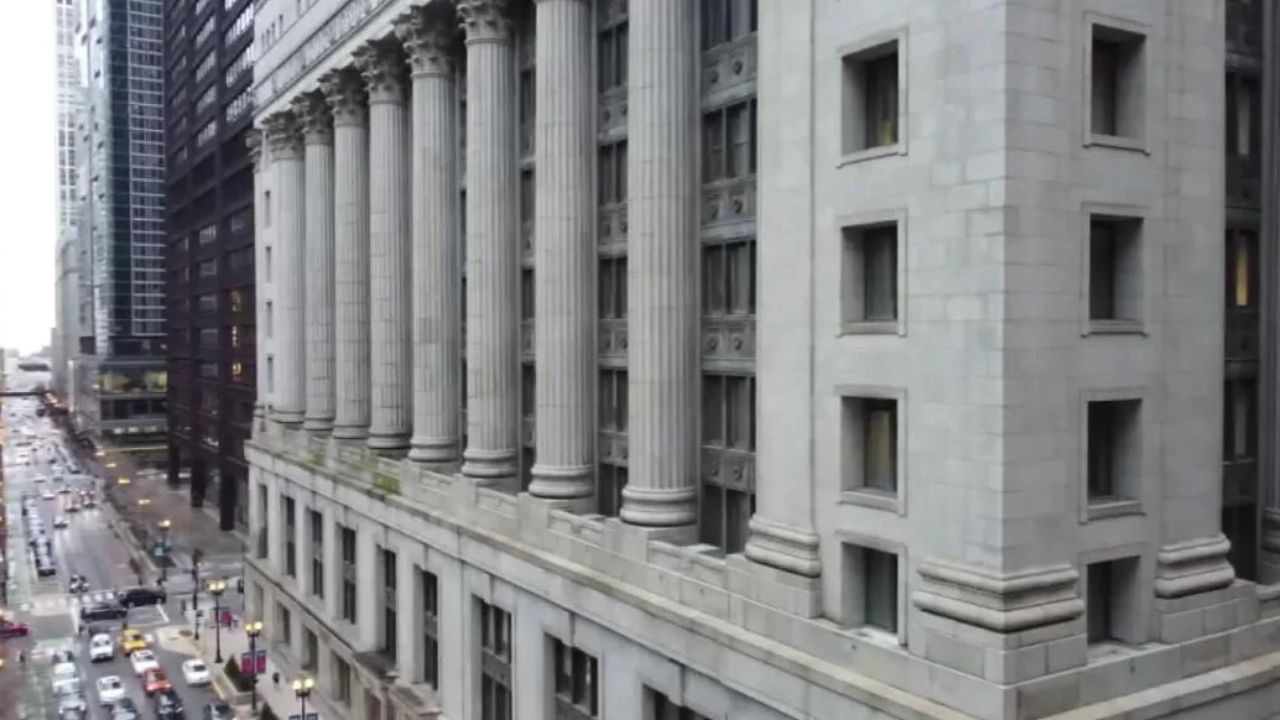
Chicago, Illinois – Thousands of public employees across Chicago owe millions of dollars in unpaid debts to the city, raising questions about accountability as city leaders warn of potential layoffs and budget shortfalls. Records obtained through public disclosures show that unpaid tickets, utility bills, and fees by city workers and employees of related agencies total $23.5 million.
The findings come as Brandon Johnson, the city’s mayor, cautions that municipal revenues may fall short, potentially forcing difficult workforce decisions later this year.
Incident Overview
Data obtained through a Freedom of Information Act request reveals that at least 13,000 current and former employees of the City of Chicago and its sister agencies are behind on payments. The debts include unpaid parking tickets, water bills, and other municipal fees that are typically enforced against residents citywide.
More than one in ten Chicago Public Schools employees owes money to the city, while the issue is even more pronounced among transit workers, where over one-third of CTA employees have outstanding balances.
Timeline of Events
The disclosure follows heated budget debates late last year, during which city officials discussed how aggressively Chicago should pursue billions of dollars in unpaid fees owed by residents. Those discussions largely focused on private taxpayers, leaving unanswered questions about enforcement against city employees themselves.
As budget pressures continue into the current fiscal year, attention has shifted toward whether internal debt collection could help ease financial strain.
Details From City Records
Employees from departments responsible for city services also appear among the debtors. According to the records:
- Department of Water Management employees owe a combined $312,000, including $61,000 in unpaid water bills
- Streets and Sanitation workers owe $364,000, with $279,000 tied to parking fines
- Chicago Department of Transportation employees owe $202,000, including $145,000 from parking-related violations
However, the largest balances come from two major sister agencies: the Chicago Public Schools, whose employees owe nearly $10 million, and the Chicago Transit Authority, where employees owe close to $9 million.
Reactions From Watchdog Groups
Fiscal watchdogs argue that employee debt represents one of the easiest opportunities for the city to improve collections.
“One of the things that they should be called upon to do is to pay up in the same way that regular taxpayers—who are paying their salaries—are being called upon to pay up,” said Joe Ferguson, president of the Civic Federation.
Ferguson noted that Chicago has historically been reluctant to pursue aggressive collections, despite having clear authority to garnish wages or enroll employees in structured payment plans.
“Low-hanging fruit to the point where the fruit just fell off the trees,” he said, adding that while collections won’t solve the city’s broader financial challenges, incremental gains still matter.
David Greising, president of the Better Government Association, echoed that sentiment, emphasizing that employed workers are easier to locate and collect from.
“They can’t go underground if they’re showing up for work,” Greising said.
City Response and Collection Efforts
City officials say steps are already underway to address the issue. Michael Belsky, the city comptroller, said that roughly $7 million of the debt owed by CTA and school employees is currently being repaid through payment plans.
“To the extent that we can, we certainly will try to collect what’s outstanding,” Belsky said.
He added that the city may pursue intergovernmental agreements with CTA and school leadership to strengthen compliance, noting that cooperation between independent agencies requires goodwill rather than enforcement alone.
Debt Relief and Enforcement Measures
According to the Department of Finance, city and sister-agency employees undergo routine debt checks, including during hiring. Workers must resolve outstanding obligations or enroll in approved payment plans before starting employment.
The city offers programs such as Clear Path Relief (CLEAR) for traffic-related violations and Utility Billing Relief (UBR) for unpaid water bills. Eligible participants may qualify for income-based payments as low as $25 per month and, after 24 months of compliance, may see remaining balances forgiven under program rules.
Approximately 85% of outstanding employee debt is linked to sister agencies, with $11 million currently being repaid through wage garnishments and relief programs.
Conclusion
As Chicago confronts ongoing budget challenges, the revelation that public employees owe $23.5 million in unpaid debt underscores a growing tension between fiscal responsibility and internal enforcement. City officials say improvements in technology, oversight, and cooperation with sister agencies may help close the gap, but watchdog groups argue stronger action is long overdue.
Residents concerned about fairness and accountability are encouraged to follow developments closely and engage with city leaders. Share your experiences in the comments below.