The Colony, Texas – In honor of Black History Month, Nebraska Furniture Mart in The Colony is opening its doors to local Black artists, giving them a platform that goes far beyond traditional gallery walls. The month-long exhibition is helping artists connect with thousands of new visitors while celebrating culture, creativity and community.
For many participating artists, the showcase represents not just increased sales but long-awaited visibility in a competitive art market.
Exhibition Overview: A Platform Beyond Sales
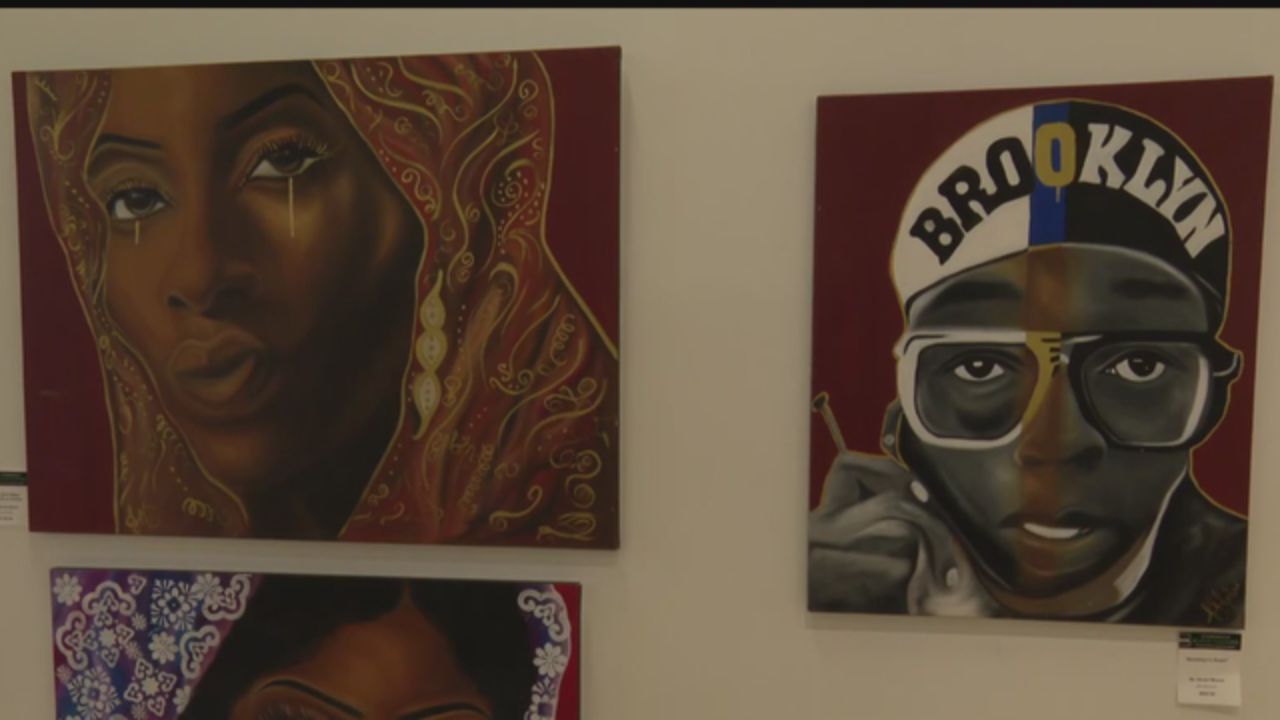
The Black History Month exhibition at Nebraska Furniture Mart (NFM) features nine North Texas artists whose work reflects themes rooted in Black culture, personal storytelling and lived experience. Store leaders say the initiative has grown steadily over the past three years, becoming a meaningful tradition during February.
On an average Saturday, the store welcomes nearly 10,000 customers, creating rare exposure opportunities that independent artists often struggle to access.
Store Director Robert Kincheloe said the impact has been measurable.
“We have nine artists on board this year, and it’s grown organically over time. The sales are five times better than last year, and that has equated to about nine times better for the artists themselves. All the proceeds go straight back to the artist.”
Personal Stories Behind the Art
Among the featured artists is Sontonya Necheal, who describes her work as deeply layered and emotionally charged.
“If you kind of sit and spend time with the art and the work and allow it to speak to you spiritually, you can definitely feel a lot of emotion,” she said.
Necheal draws inspiration from her late son, who passed away eight years ago. She describes that period as a turning point in her life and career.
“That was very pivotal for me, emotionally. He sold my first commission piece during the time when I couldn’t even afford to buy brushes and paint. I couldn’t help but pour everything into my work.”
Her story reflects the resilience that often fuels creative expression. Today, her artwork stands not only as a tribute to her son but also as a testament to perseverance.
Barriers to Visibility for Minority Artists
Necheal says one of the biggest challenges minority artists face is simply being seen.
“Especially, as a minority to get your work seen. A lot of times you can’t go to a gallery and say, can you show my work.”
Traditional art spaces can be difficult to access without prior representation or established networks. Exhibitions like this one provide a bridge between independent artists and mainstream audiences, helping remove long-standing barriers.
She believes the event introduces new cultural perspectives to shoppers who might not otherwise encounter such work.
“This opportunity definitely gives a different clientele the ability to access a different culture.”
Art Rooted in Black Culture
Another featured artist, Charles Riley, focuses on painting moments deeply connected to Black culture and shared experiences.
“I’ve painted a lot of things that I’ve seen from movies, TV shows, things that I grew up on,” he said. “For Nebraska to celebrate Black culture, I think it’s been amazing.”
His work reflects nostalgia, representation and storytelling — themes that resonate strongly during Black History Month, a time dedicated to recognizing contributions and achievements within the Black community.
Growing Impact and New Opportunities
The exhibition’s success is already translating into tangible results for the artists. Increased sales and visibility are opening doors to future projects and collectors.
Necheal shared that she has already secured new collectors and is preparing for a solo exhibition in Allen.
“I have gained several new collectors, and then I have a solo exhibition coming up tomorrow in Allen,” she said.
For independent creatives, exposure to large, diverse audiences can significantly accelerate career growth. Retail-based exhibitions also introduce art to buyers who may not regularly visit galleries.
A Legacy Carried Forward
Art is not just a career for Necheal — it is a family legacy in motion. Often by her side is her 7-year-old daughter, learning the craft from an early age.
“She is learning the ropes very early!” she said.
When asked what her late son might say if he could see her progress today, her response was heartfelt.
“He would definitely say I’m proud of you, mom.”
Moments like these underscore how art can serve as both healing and heritage, carrying forward stories across generations.
Community and Cultural Significance
The Black History Month exhibition at Nebraska Furniture Mart runs through March 3, providing continued opportunities for residents across North Texas to engage with local talent.
Events like this not only boost small creative businesses but also encourage broader cultural understanding. By integrating art into high-traffic retail spaces, organizers are reshaping how communities interact with creativity and heritage.
Conclusion
The North Texas Black History Month exhibition at Nebraska Furniture Mart is proving that visibility can be just as powerful as sales. For artists like Sontonya Necheal and Charles Riley, the showcase represents opportunity, representation and recognition.
As the exhibition continues, its impact is being felt not only in artwork sold but in connections formed and legacies honored.
If you’ve visited the exhibition or supported a local artist this month, share your experiences in the comments below.