America’s biggest snack brands are facing a tough reality: consumers are buying less, and manufacturers are cutting back.
Grocery shelves may still be packed with household names from Nestlé, PepsiCo, and Mondelez International, but behind the scenes, the snack industry is under pressure. Declining sales, inflation concerns, and shifting consumer habits are forcing companies to rethink operations — and in some cases, shut down facilities.
Snack Sales Slow as Consumers Tighten Spending
PepsiCo’s fourth quarter of 2024 saw revenue dip by 0.2%, while its Frito-Lay division reported a 3% drop in sales volume. The slowdown reflects broader trends:
- Inflation-driven selective spending
- Higher borrowing costs
- Increased focus on health and wellness
- Reduced impulse snack purchases
Even iconic brands like Doritos, Cheetos, and Lay’s have not been immune to shifting buying habits.
J.M. Smucker Also Feels the Pressure
The slowdown isn’t limited to PepsiCo.
The JM Smucker Co., which acquired Hostess in 2023 for $5.6 billion, has also reported weaker-than-expected performance in its Sweet Baked Snacks division through January 2026.
Company leadership acknowledged that recovery is taking longer than anticipated, with profitability falling short of expectations.
Candy Distributor Files for Bankruptcy
In 2025, national candy distributor CandyWarehouse.com Inc. filed for Chapter 11 bankruptcy just before Halloween, citing significant revenue declines earlier in the year. The filing aimed to restructure debt rather than liquidate operations.
For larger corporations, however, bankruptcy isn’t the preferred route. Instead, cost-cutting and facility closures have become the strategy of choice.
PepsiCo Closes Major Frito-Lay Facility in California
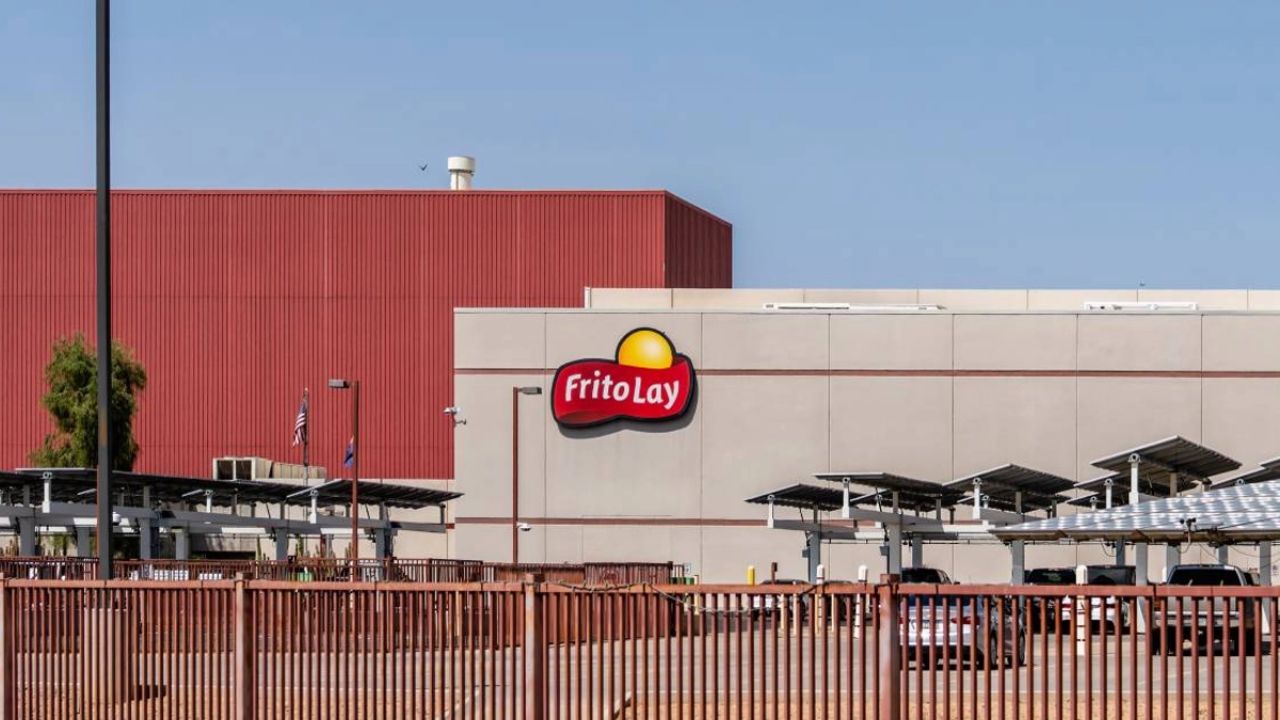
PepsiCo announced it will permanently close its Frito-Lay distribution facility in Rancho Cucamonga, California, by June 6, 2026.
The closure will result in 248 layoffs, according to a Worker Adjustment and Retraining Notification submitted to state authorities.
The company plans to shift operations to a new distribution center in the same community. Notably, manufacturing at the Rancho Cucamonga site had already ceased in 2025.
Additional Facility Closures Nationwide
PepsiCo has been consolidating operations across the country since 2024. Recent closures include:
- Orlando, Florida manufacturing plant and onsite warehouse (closed Nov. 4, 2025) — 454 layoffs
- Orlando off-site warehouse (closing May 9, 2026) — 46 layoffs
- Liberty, New York PopCorners plant (closed June 6, 2025) — 287 layoffs
- Quaker Oats factory in Danville, Illinois (2024)
- Pepsi bottling plants in Cincinnati, Atlanta, and Harrisburg, Pennsylvania (2024) — about 300 layoffs
Strategic Shift Underway
In December 2025, the New York-based company announced plans to reduce product offerings and cut prices in response to slowing consumer spending and pressure from activist investors.
Industry analysts say large food manufacturers are now focusing on:
- Streamlining product portfolios
- Cutting operational costs
- Investing in higher-margin and health-oriented categories
- Optimizing distribution networks
What This Means for the Snack Industry
The closures reflect a broader transformation in the snack food market. Big-box retail distribution models and high-volume production facilities are being reevaluated as demand patterns evolve.
While snack brands remain deeply embedded in American households, changing consumer priorities — particularly around health and spending — are reshaping the industry landscape.
For workers and communities impacted by the closures, the changes are immediate and significant. For the industry, it marks a recalibration phase after years of expansion.
The snack aisle may look the same — but behind the scenes, the business is undergoing a major shift.