Minneapolis residents are grappling with fear and frustration after two separate shootings involving teenagers shook the city within a 24-hour span. As police continue their investigations, neighbors, parents, and community leaders are calling for answers—and action.
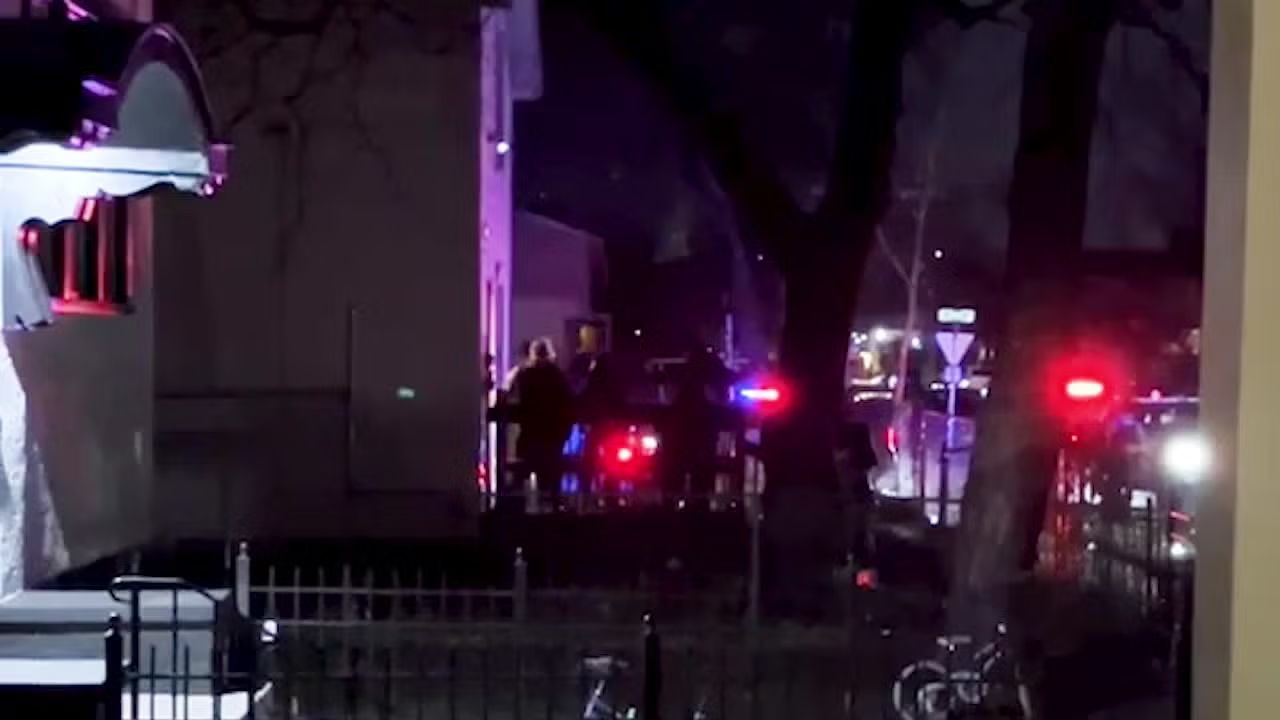
A chaotic scene unfolded late Saturday night around 10:15 p.m. on the 2500 block of 17th Avenue South. Cell phone footage captured the confusion as sirens blared and officers rushed to secure the area.
Kim, a nearby resident who asked not to show her face on camera, described the tense moments.
“We heard sirens and screaming,” she said. “When we stepped outside, police were evacuating the house. A young man ran out yelling for officers to go inside and help his brother. The police did go in.”
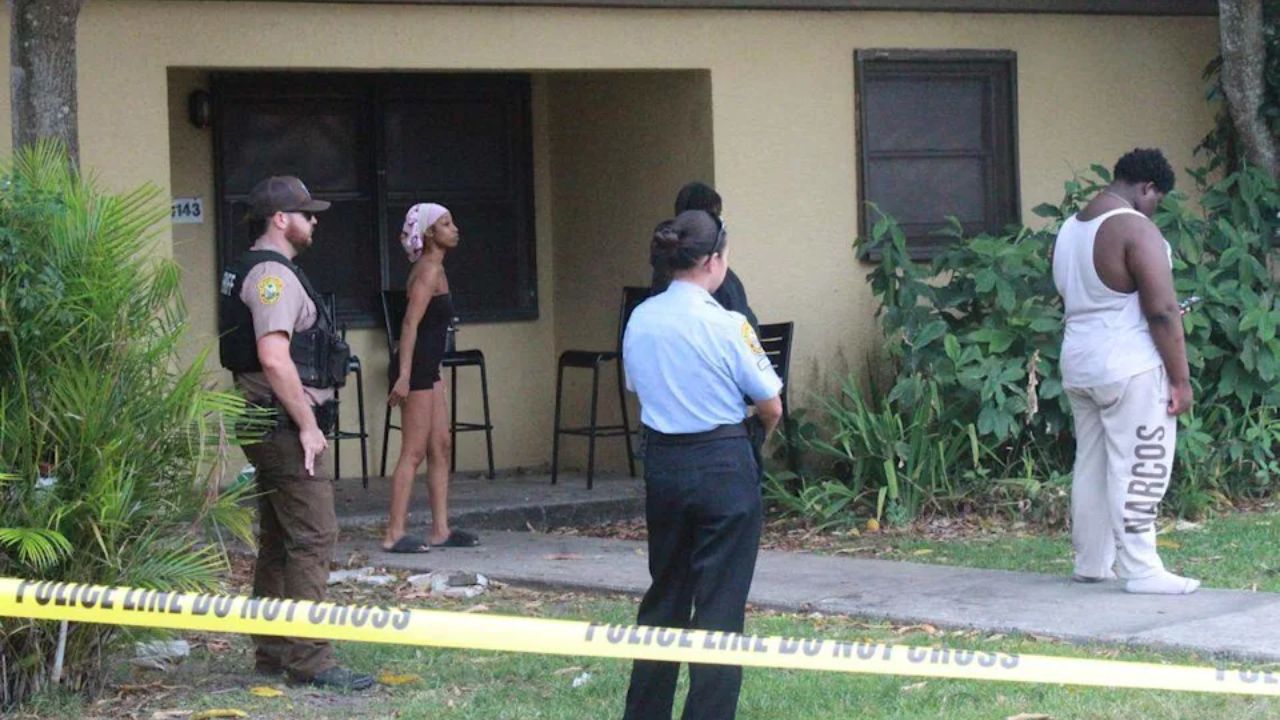
Authorities later confirmed that a 19-year-old man was killed and a 16-year-old boy suffered a gunshot wound to the leg after a fight at a party escalated into gunfire. Emergency responders transported the injured teen to the hospital.
“You could hear how traumatized the young people were,” Kim added. “It’s heartbreaking.”
The tragedy marked the second teen-involved shooting in Minneapolis in less than a day. Just before midnight Friday, gunfire erupted at a Popeye’s restaurant on Lake Street. Four teenagers—three 17-year-olds and one 16-year-old—were injured. Police said their injuries were not life-threatening.
Investigators are still working to determine what led to both shootings, including whether any of the victims were specifically targeted. Authorities have not ruled out possible connections between the incidents, but no suspects have been arrested in either case.
For many residents, the repeated violence is deeply unsettling.
“It becomes desensitizing,” said Sonja Orban, a mother who lives near the Saturday shooting scene. “When something like this keeps happening, people stop reacting the way they should. We start undervaluing each other’s lives in the heat of the moment.”
Community advocates say prevention must start long before situations escalate.
Deseria Galloway, CEO of Wellspring Second Chance Center, works closely with youth and families. She believes peer influence plays a major role.
“If a child sees their friends carrying guns or getting into fights, that behavior starts to feel normal,” Galloway said. “And that increases the likelihood they’ll act violently too.”
As warmer weather approaches—a time when cities often see an uptick in outdoor gatherings and crime—Galloway urges parents to have open conversations with their children about peer groups, decision-making, and avoiding dangerous situations.
“Parents need to know who their kids are spending time with,” she emphasized. “That responsibility can’t be ignored.”
Faith leaders are also stepping in. Bishop Harding Smith, founder of Minnesota Acts Now, and his team went door to door along 17th Avenue seeking input from residents.
“We want to hear from people who are living through this,” Smith said. “What are they feeling? What are they experiencing? And how can we, as community leaders, help create a safer, peaceful environment where kids can walk to the store without fear?”
For parents like Kim, the shootings strike close to home. She worries about the long-term impact on children growing up in neighborhoods marked by repeated violence.
“I have a 10-year-old daughter,” she said. “I keep wondering how many classmates she might lose before she even graduates high school. I love this neighborhood—but I’m scared too. When is it going to be enough?”
City officials have not announced any immediate policy changes but stress that investigations remain active. Community groups, faith organizations, and families are continuing to push for stronger engagement, youth mentorship programs, and proactive outreach to prevent further tragedies.
As Minneapolis confronts these back-to-back shootings, residents say the path forward will require more than arrests—it will demand sustained community involvement, accountability, and renewed focus on keeping young people safe.