
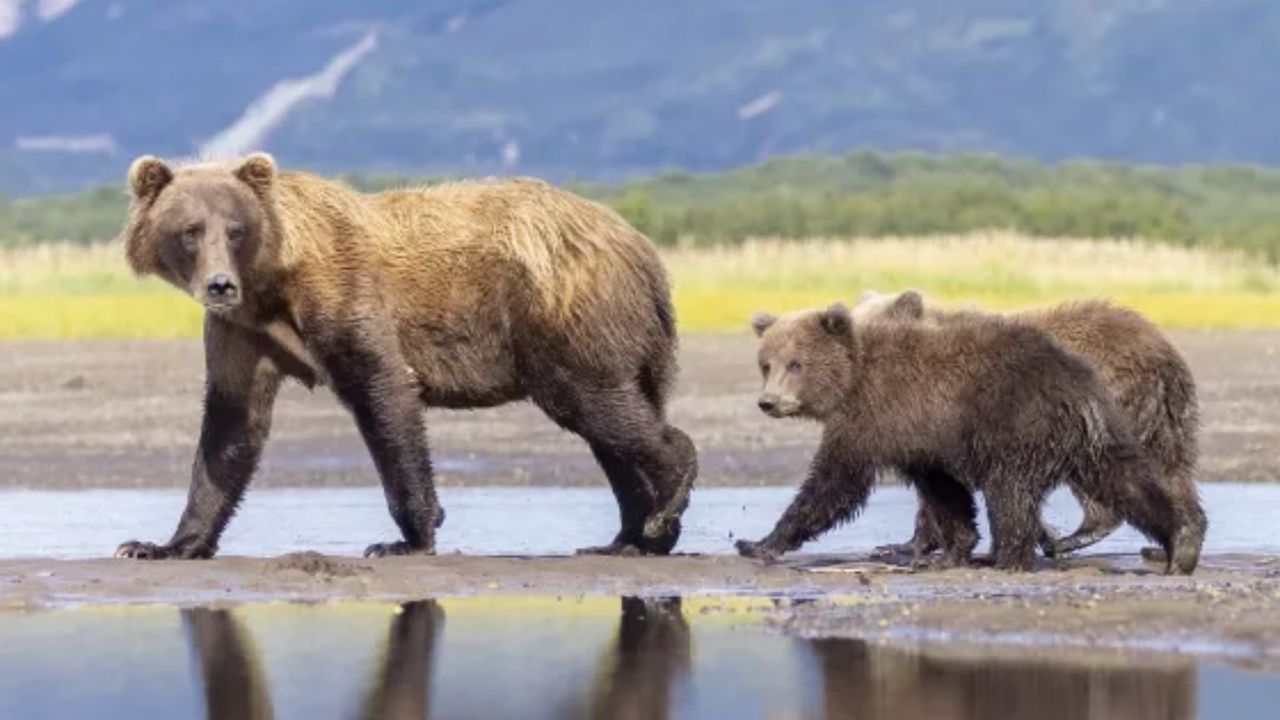
ANCHORAGE, AK – A Florida Superior Court judge has ruled that Alaska wildlife officials can resume the controversial practice of hunting black and brown bears from helicopters. The decision aims to protect the struggling Mulchatna caribou herd just as calving season begins.
The Legal Ruling
On Wednesday, May 6, Judge Adolf Zeman ruled against two conservation groups—the Alaska Wildlife Alliance and the Center for Biological Diversity. The groups had filed a lawsuit to halt the predator-control program, claiming it lacked scientific data.
The ruling allows the state to continue its efforts in southwest Alaska, where newborn caribou calves are most vulnerable to predators like bears and wolves.
A Herd In Crisis
State officials argue the program is vital for the survival of the Mulchatna herd, which was once a primary food source for Alaska Native communities. The herd’s population has seen a staggering decline:
- 1990s: Approximately 190,000 animals.
- 2019: Dropped to roughly 13,000.
- 2022: Estimated at 16,280 animals.
Between 2023 and 2024, the state killed 180 bears to reduce predation. Officials claim the herd is already showing early signs of improvement due to these measures.
The Controversy Over Science
Conservationists argue that the state is “unrestrained” in its killing. The Alaska Wildlife Alliance claims that bear predation isn’t even among the top three causes of caribou mortality, noting that golden eagles have occasionally taken more calves than bears.
“The state simply hasn’t shown that the unrestrained killing of bears is going to help us,” said Cooper Freeman, Alaska director for the Center for Biological Diversity.
What’s Next?
With the court’s green light, helicopter operations are expected to resume immediately to coincide with the peak of the calving season. State attorneys maintain that officials took a “hard look” at population factors before moving forward with the plan.