A tragic incident in Ventura County has brought renewed attention to rattlesnake safety across Southern California’s hiking trails. A 46-year-old woman has died after being bitten by a rattlesnake while hiking at Wildwood Regional Park, according to local authorities.
Emergency crews responded to the scene on March 14 after reports that the woman had been bitten during her hike. She was airlifted to a nearby hospital for urgent medical treatment but passed away five days later due to complications from the venomous bite.
This marks the second rattlesnake-related fatality reported in California this month, prompting experts to warn that snakes are emerging earlier than usual due to warmer weather patterns.
Early Heat Triggers Increased Snake Activity
Biologists say rattlesnakes are highly responsive to temperature changes. With Southern California experiencing unusually warm conditions, experts believe snakes have become active weeks ahead of their typical seasonal timeline.
Peak rattlesnake mating season usually falls in April and May. However, warmer conditions this year appear to have accelerated their movement and visibility across trails and open spaces.
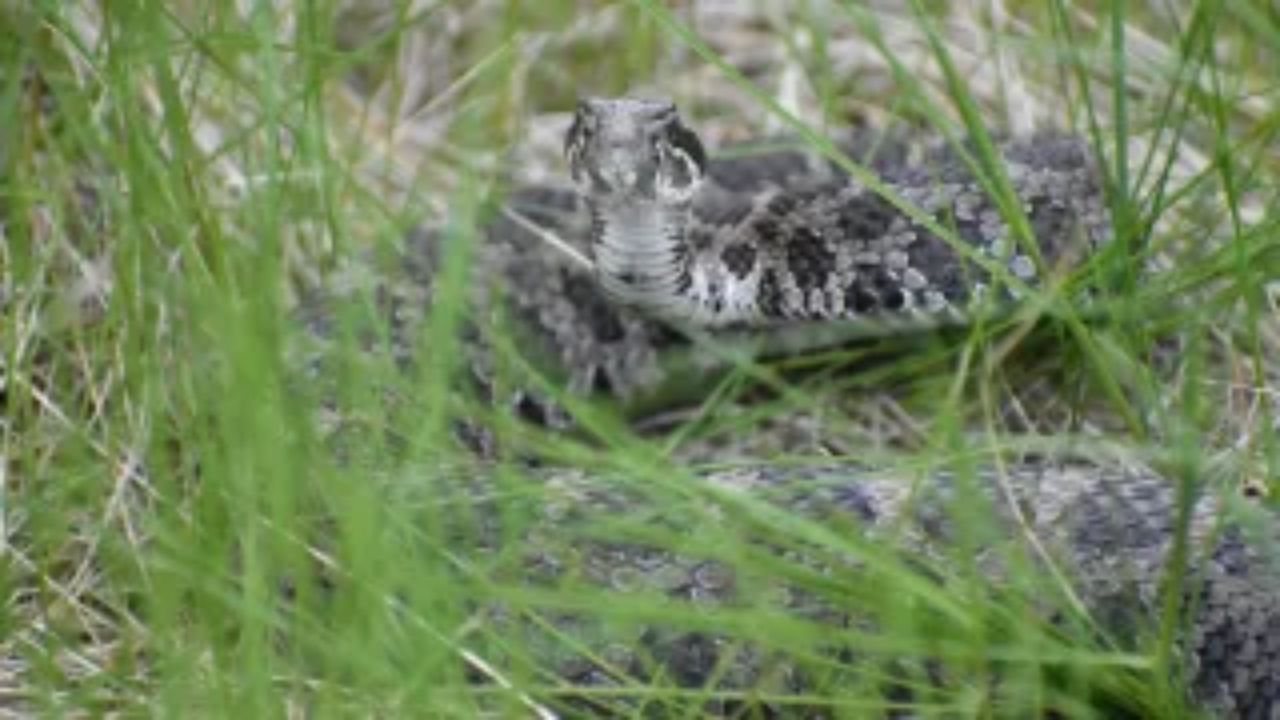
Rattlesnakes are native to the region and play a vital role in controlling rodent populations. The Southern Pacific rattlesnake, commonly found in the area, thrives in rocky terrain, grasslands, and parklands — habitats that overlap heavily with popular hiking routes.
Outdoor enthusiasts acknowledge that hikers are entering the snakes’ natural environment.
“Technically, this is where they are. This is their place,” said local hiker Croy Tan, reflecting on a recent trail encounter of his own.
Tan recalled seeing a baby rattlesnake cross a trail during a late afternoon hike. The snake did not behave aggressively and simply moved along its path.
Rattlesnake Deaths Remain Rare
While rattlesnake bites can be life-threatening, fatalities remain extremely uncommon. Health experts estimate that between 7,000 and 8,000 venomous snake bites occur annually in the United States, with only a small number resulting in death.
Survival rates are high when victims receive prompt medical care. However, timing is critical.
Medical professionals stress that immediate treatment with antivenom significantly reduces the risk of severe complications. Without it, victims may suffer serious tissue damage, organ injury, long-term mobility issues, or permanent disability.
What To Do If You Encounter a Rattlesnake
Experts emphasize that rattlesnakes are not aggressive by nature and do not chase humans. Their primary defense mechanisms include freezing in place or rattling as a warning sign.
If you see a rattlesnake:
- Keep your distance
- Slowly back away
- Do not attempt to move or handle the snake
- Avoid sudden movements
Rattlesnakes typically strike only when they feel threatened or cornered.
How Hikers Can Reduce Risk
With snake activity increasing earlier in the season, hikers are advised to take extra precautions:
- Stay on designated trails
- Avoid walking through tall grass or dense brush
- Wear long pants and sturdy hiking boots
- Watch carefully where you step or place your hands
- Avoid hiking during peak heat hours when snakes are most active
If Bitten by a Rattlesnake
In the event of a rattlesnake bite:
- Remain as calm as possible
- Limit movement to slow venom spread
- Keep the affected limb at heart level
- Call 911 immediately
- Do not attempt to suck out venom or apply ice
Prompt emergency care dramatically increases survival and recovery outcomes.
A Reminder for Outdoor Safety
Southern California’s parks and trails remain popular destinations for hikers, bikers, and outdoor enthusiasts. While encounters with wildlife are part of the natural experience, awareness and preparation are essential.
Authorities continue to urge the public to remain cautious, especially during warmer months when snake activity rises. Respecting wildlife and understanding how to respond in emergencies can help prevent further tragedies.
As temperatures continue climbing, experts expect snake sightings to increase — making education and preparedness more important than ever.