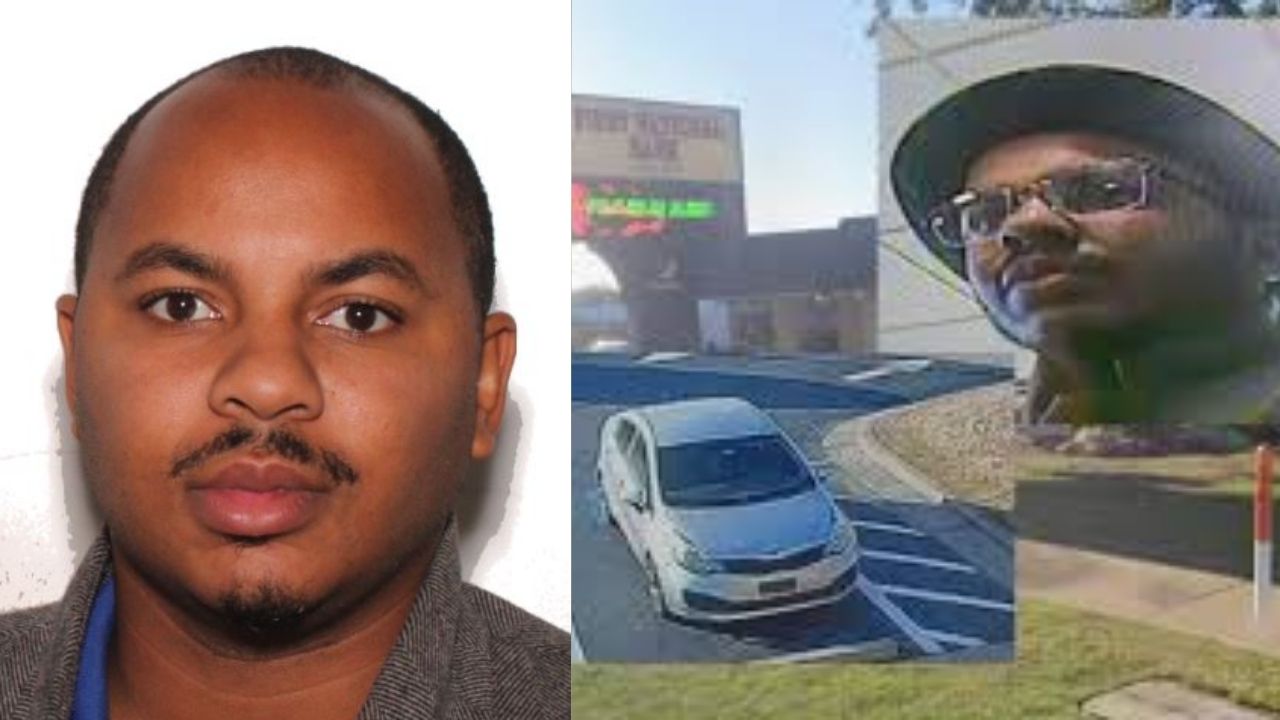
CHICAGO, IL — Alphanso Talley, the 26-year-old charged with the cold-blooded murder of a Chicago police officer at Endeavor Health Swedish Hospital, is scheduled for a detention hearing this Thursday.
The shooting, which left one officer dead and another wounded, has ignited a fierce political firestorm over Illinois’ SAFE-T Act and the city’s reliance on electronic monitoring for violent offenders.
The Incident: A Deadly Escalation
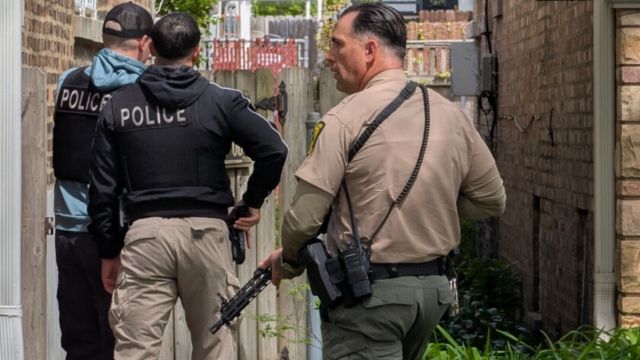
On Saturday, Talley was being escorted by two officers to the hospital following an arrest for armed robbery earlier that day. Despite being in custody, prosecutors allege Talley managed to conceal a firearm. Once inside the medical facility, he reportedly drew the weapon and opened fire, striking both officers.
A History of ‘In and Out’ of Jail
Records reveal that Talley is no stranger to the criminal justice system. His record spans a decade and includes:
- Armed Robbery & Carjacking: Multiple charges leading to stints in jail and mandatory supervised release.
- Pending Felonies: At the time of the shooting, Talley had four pending violent felony cases.
- Missed Deadlines: In March 2026, his ankle monitor stopped connecting, he missed curfew, and he failed to appear in court, leading to an active warrant at the time of his Saturday arrest.
Explainer: How the SAFE-T Act Impacts Detention
Since Illinois eliminated cash bail, the decision to keep a defendant behind bars rests entirely on a judge’s assessment of risk rather than a defendant’s bank account.
The Criteria for Detention: To keep a suspect in jail pending trial, a judge must determine the individual is either a flight risk or a specific threat to public safety. Detention is typically reserved for “detainable” offenses, which include:
- First-degree murder and armed robbery.
- Specific weapons and sex offenses.
- Domestic violence and orders of protection violations.
The Controversy: While the law aims to ensure people aren’t jailed simply for being poor, critics argue it gives judges too much leeway to release high-risk individuals on electronic monitoring.
“The System is Broken”
Cook County State’s Attorney Eileen O’Neill Burke issued a blistering critique of the decision to have Talley on the streets prior to the shooting.
“We established that he had four pending violent felonies, and in spite of that, he was placed on electronic monitoring,” Burke said. She labeled the electronic monitoring system as “broken,” stating it fails to keep the public safe.
In January 2026, a judge had even granted Talley permission to attend college classes, removing his “home confinement” restriction—a decision the State’s Attorney’s office vehemently opposed.
What Happens Next?
At Thursday’s hearing, a judge will decide if Talley will remain in custody throughout the duration of his murder trial. Given the nature of the charges and his history of violating electronic monitoring, prosecutors are expected to argue that no level of pretrial release can guarantee the safety of the community.