
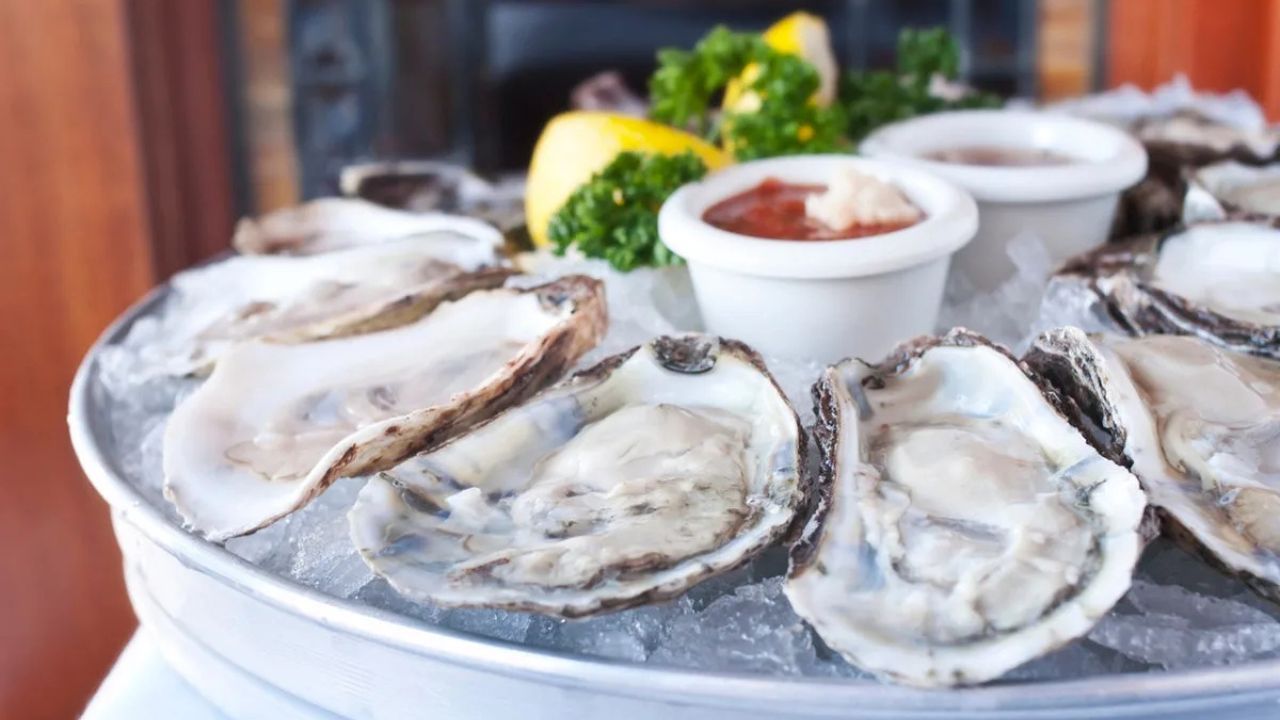
Seattle, Washington — Federal health officials have issued a food safety warning after raw oysters and clams distributed across several U.S. states were recalled due to possible norovirus contamination, according to the U.S. Food and Drug Administration (FDA).
The recall affects shellfish harvested in Drayton Harbor, Washington, with products distributed to restaurants and retailers across multiple states. Officials say the action was taken as a precaution to prevent potential illness linked to contaminated seafood.
Authorities are advising both businesses and consumers to avoid serving, selling, or eating the affected products while the investigation continues.
Shellfish distributed across multiple states
According to the FDA, the recalled Manila clams were harvested by the Lummi Indian Business Council and distributed to food establishments in at least nine states.
States that reportedly received the clams include:
- Arizona
- California
- Florida
- Georgia
- Illinois
- Nevada
- New York
- Oregon
- Washington
Officials also noted that additional states may have received the affected clams, as distribution networks can extend beyond the initially identified locations.
Meanwhile, the recalled raw oysters were harvested by Drayton Harbor Oyster Company and distributed to consumers in Washington state.
Both the oysters and clams were harvested between February 13 and March 3 in Drayton Harbor.
FDA urges businesses and consumers not to eat affected products
The FDA issued a public alert advising food establishments and consumers to take immediate precautions.
“Restaurants and food retailers should not serve or sell, and consumers should not eat certain raw oysters harvested by Drayton Harbor Oyster Company and Manila clams harvested by Lummi Indian Business Council,” the FDA said.
Officials say the warning is intended to prevent the spread of norovirus, a highly contagious infection often associated with contaminated food.
Restaurants that may have received the products are being urged to remove them from inventory and properly dispose of them.
Norovirus contamination may not be visible
Health officials emphasize that contaminated food may appear completely normal even if it carries the virus.
The FDA warned that food containing norovirus may look, smell, and taste normal, making contamination difficult to detect.
Because of this, officials say people should avoid consuming any shellfish from the affected harvest areas during the specified time frame.
Norovirus is sometimes referred to as the “stomach flu,” though it is not related to influenza.
Common symptoms of norovirus infection
According to health experts, norovirus typically causes symptoms affecting the stomach and digestive system.
Common symptoms include:
- Diarrhea
- Vomiting
- Nausea
- Stomach pain
The illness causes inflammation of the stomach or intestines and can lead to sudden and intense gastrointestinal symptoms.
Symptoms usually appear 12 to 48 hours after exposure and most people recover within one to three days.
Read Also: European Comfort Food Restaurant Brings Hungarian and German Classics to Largo
However, the illness can be more serious for individuals with weakened immune systems, young children, and older adults.
Virus spreads easily through contaminated food
The Centers for Disease Control and Prevention (CDC) warns that norovirus is extremely contagious.
It can spread through:
- Direct contact with an infected person
- Contaminated food or water
- Touching contaminated surfaces or objects
Shellfish such as oysters and clams can sometimes become contaminated if harvested from waters affected by sewage or infected handlers.
Because many people eat oysters raw or lightly cooked, the virus can survive and infect consumers.
Officials advise seeking medical care if symptoms appear
Health officials say anyone who believes they may have consumed the recalled shellfish and begins experiencing symptoms should contact a healthcare provider.
Most cases resolve within a few days, but severe dehydration can occur in some situations.
Authorities say the recall is part of ongoing food safety monitoring designed to quickly remove potentially contaminated products from the supply chain.
What are your thoughts on seafood safety and food recalls like this? Share your perspective respectfully in the comments below.