CALIFORNIA — The Kroger Co. is closing three grocery store locations in California this month, impacting 171 employees, according to state filings. The closures come as supermarket chains continue to navigate intense competition, inflation-driven costs, and shifting consumer behavior.
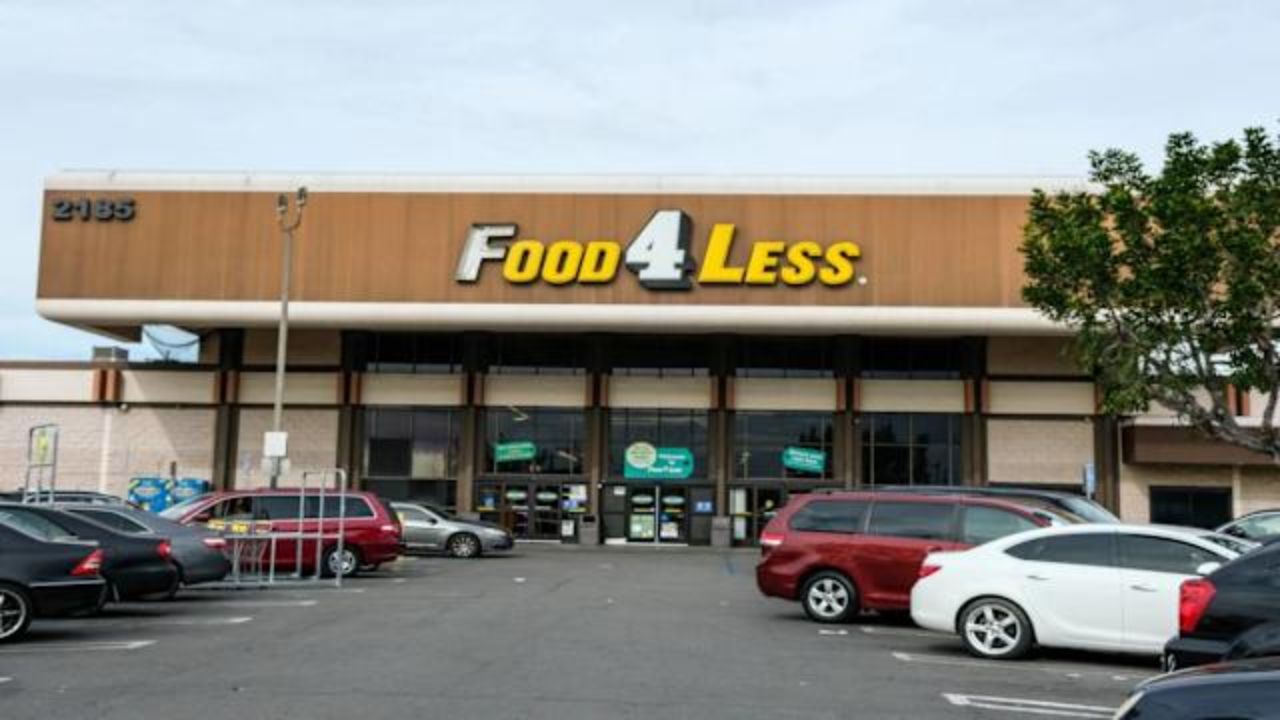
The affected stores include two Foods Co. locations and one Food 4 Less store, all scheduled to shut down in March 2026.
Kroger to Close 3 California Stores in March
According to Worker Adjustment and Retraining Notification (WARN) filings with the California Employment Development Department, Kroger will permanently close the following locations:
- Foods Co. No. 784
3637 Shaw Ave., Fresno, Calif.
Closing March 14, 2026
49 layoffs - Foods Co. No. 371
8122 Gerber Road, Sacramento, Calif.
Closing March 14, 2026
58 layoffs - Food 4 Less No. 364
3200 Century Blvd., Inglewood, Calif.
Closing March 28, 2026
64 layoffs
Kroger filed the WARN notices on Feb. 27, 2026. Although WARN notices typically require 60 days’ advance notice, these closures are occurring in fewer than 60 days.
The company has not publicly detailed specific reasons for each closure.
Impact on Workers
The three store shutdowns will result in 171 layoffs across Fresno, Sacramento and Inglewood.
In a notice cited by state officials, it was stated that Kroger intends to explore transfer and reassignment opportunities for affected associates. However, layoffs and terminations may still be necessary depending on operational and contractual requirements.
The closures are expected to be permanent.
Competition Pressures in the Grocery Sector
The grocery industry has faced mounting pressure from large big-box retailers and national chains.
According to industry data, big-box retailers including Walmart, Costco and Target now account for approximately 37% of the combined U.S. grocery market share.
Current market breakdown estimates show:
- Walmart holds roughly 23.6% market share, with more than 5,200 stores and approximately $276 billion in grocery revenue.
- Kroger holds about 10.1% market share, operating more than 2,700 stores nationwide with $147 billion in revenue.
- Costco accounts for around 9.2% of the grocery market.
- Albertsons holds approximately 6.4%.
- Target controls about 3.2% of grocery sales.
Industry analysts have long warned that traditional supermarkets face growing competition from national discount retailers and warehouse clubs, which can leverage scale and pricing power.
Inflation and Operating Costs
Supermarkets also experienced significant inflationary pressure following the COVID-19 pandemic.
Food-at-home inflation rose:
- 11.4% in 2022
- 5% in 2023
During that period, grocery revenue growth lagged behind rising costs. Profit margins tightened as labor, supply chain and lease expenses increased.
For many chains, including Kroger, closing underperforming stores has become part of a broader strategy to stabilize operations.
Broader Kroger Store Closure Plan
In June 2025, Kroger announced plans to close 60 stores over an 18-month period.
Founded more than 140 years ago, Kroger currently operates approximately 2,700 supermarkets across 35 states and Washington, D.C.
The California closures are part of that previously announced restructuring effort.
What This Means for Shoppers
Store closures can significantly impact local communities, especially shoppers who rely on nearby grocery locations for everyday needs.
Customers at the Fresno, Sacramento and Inglewood stores will need to transition to other nearby grocery options once the closures take effect later this month.
Conclusion
Kroger’s decision to shut down three California stores reflects the broader economic pressures facing the grocery industry, including intense competition, inflation and operational cost challenges.
While the company has committed to seeking reassignment opportunities for impacted workers, 171 employees are currently affected by the closures.