ARKANSAS — March 1 through March 7 marks Severe Weather Awareness Week (SWAW) across the state, a statewide initiative focused on promoting severe weather safety, education, and preparedness as the spring 2026 storm season ramps up.
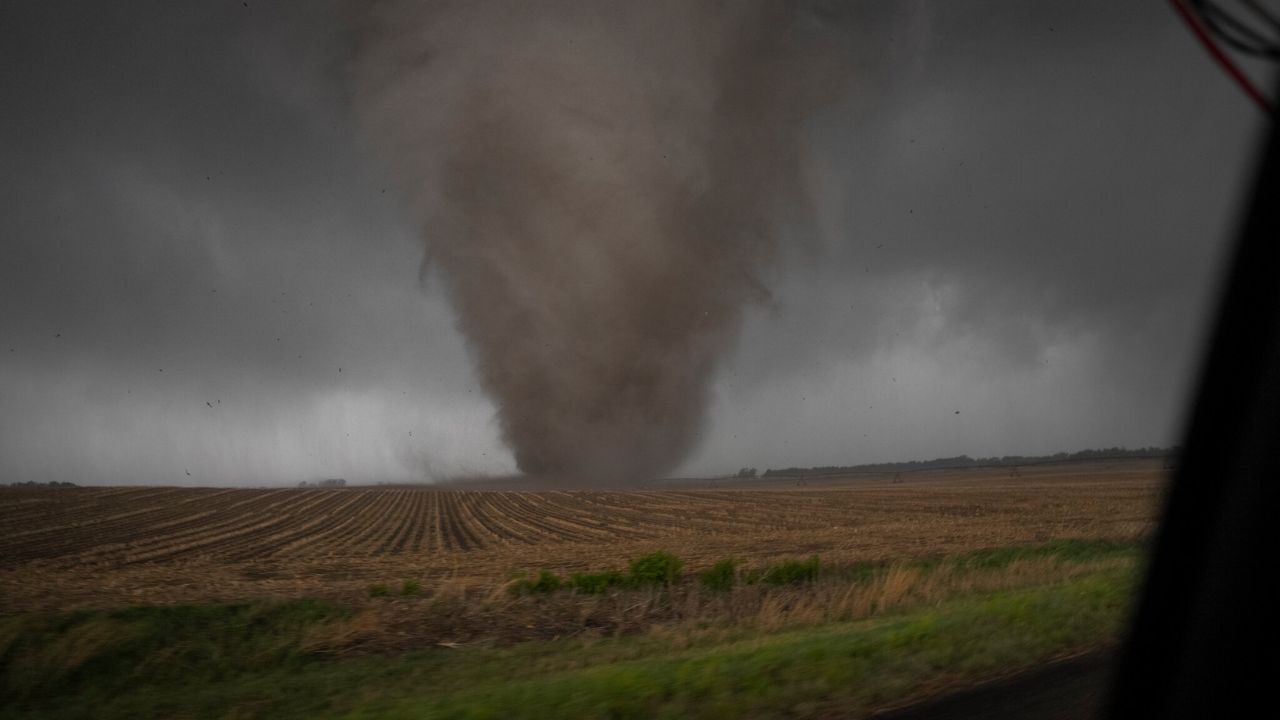
Each day during the week highlights a different severe weather topic. On Wednesday, March 4, the focus turns to tornado safety — a critical subject in a state that averages dozens of tornadoes each year.
Tornado Siren Myth: What You Need to Know
One of the most common tornado safety myths involves outdoor warning sirens.
Outdoor sirens are designed specifically to alert people who are outdoors. They are not intended to be relied upon by people inside homes or buildings.
Important points about outdoor sirens:
- They are meant for outdoor use only.
- Many people indoors will not hear them.
- They are not designed to wake people from sleep.
- They are controlled by local officials — not the National Weather Service.
Because of this, residents are encouraged to have multiple ways to receive tornado warnings, especially overnight.
Arkansas Tornado Statistics
Arkansas experiences a significant number of tornadoes each year.
On average, the state sees about 37 tornadoes annually. In 2025, that number nearly doubled, with 60 tornadoes reported statewide.
From 2000 to 2025:
- 1,031 tornadoes occurred in Arkansas.
- About 80% were rated EF0 or EF1.
- Only 40 tornadoes were classified as EF3 or EF4.
While spring is the peak tornado season in Arkansas, followed by fall, tornadoes can occur at any time of year.
Tornado Watch vs. Tornado Warning
Understanding the difference between a watch and a warning can save lives.
A tornado watch means conditions are favorable for tornado development. Residents in the watch area should stay alert and be prepared to act.
A tornado warning means a tornado is occurring or about to occur. Immediate shelter should be taken.
In rare and extreme cases, a tornado emergency may be issued. This alert is reserved for confirmed large, destructive tornadoes posing a significant threat to life and property.
Preparing a Tornado Safety Plan
Before severe weather strikes, families should have a tornado safety plan in place.
This includes:
- Identifying your designated safe place at home.
- Knowing your shelter location at work, school, or frequently visited buildings.
- Practicing how to quickly reach your safe location.
A tornado safety kit should include:
- Helmets for head protection.
- Medical supplies and prescription medications.
- Important documents.
- Shoes.
- Nonperishable food and bottled water.
- Flashlights.
- Portable phone chargers.
- Pillows or blankets for additional protection.
Preparation ahead of time ensures quicker, safer action when seconds matter.
Know Your Location
During severe weather coverage, meteorologists often reference counties and specific areas within them.
Residents should:
- Know their county.
- Understand where they live, work, or attend school within that county.
- Be able to identify their location on a map.
This awareness helps individuals quickly determine whether warnings apply to their exact area.
Multiple Ways to Receive Alerts
Relying on a single notification method is not recommended.
Residents should use multiple alert systems, such as:
- Wireless emergency alerts on smartphones.
- Weather radios.
- Local news broadcasts.
- Mobile weather apps.
One recommended tool is the free Arkansas Storm Team app, which provides real-time alerts tailored to your location.
Conclusion
Severe Weather Awareness Week serves as a timely reminder that preparation and education are key to staying safe during Arkansas’s active storm seasons.
With tornado risks increasing during the spring months, understanding warning systems, having a safety plan, and staying weather aware can make all the difference.