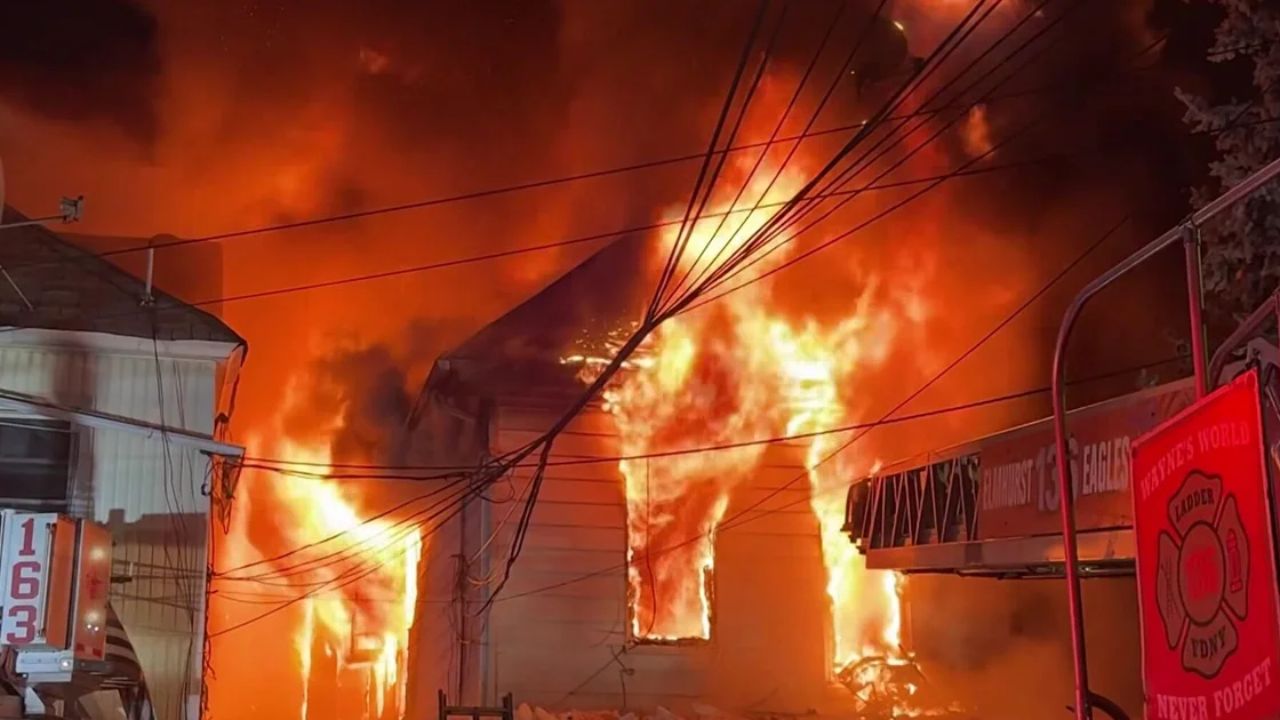
Detroit, Michigan — Fire safety officials across Michigan are urging homeowners and apartment residents to check bathroom exhaust fans this winter, warning that aging or poorly maintained units can overheat and ignite during extended cold-weather use.
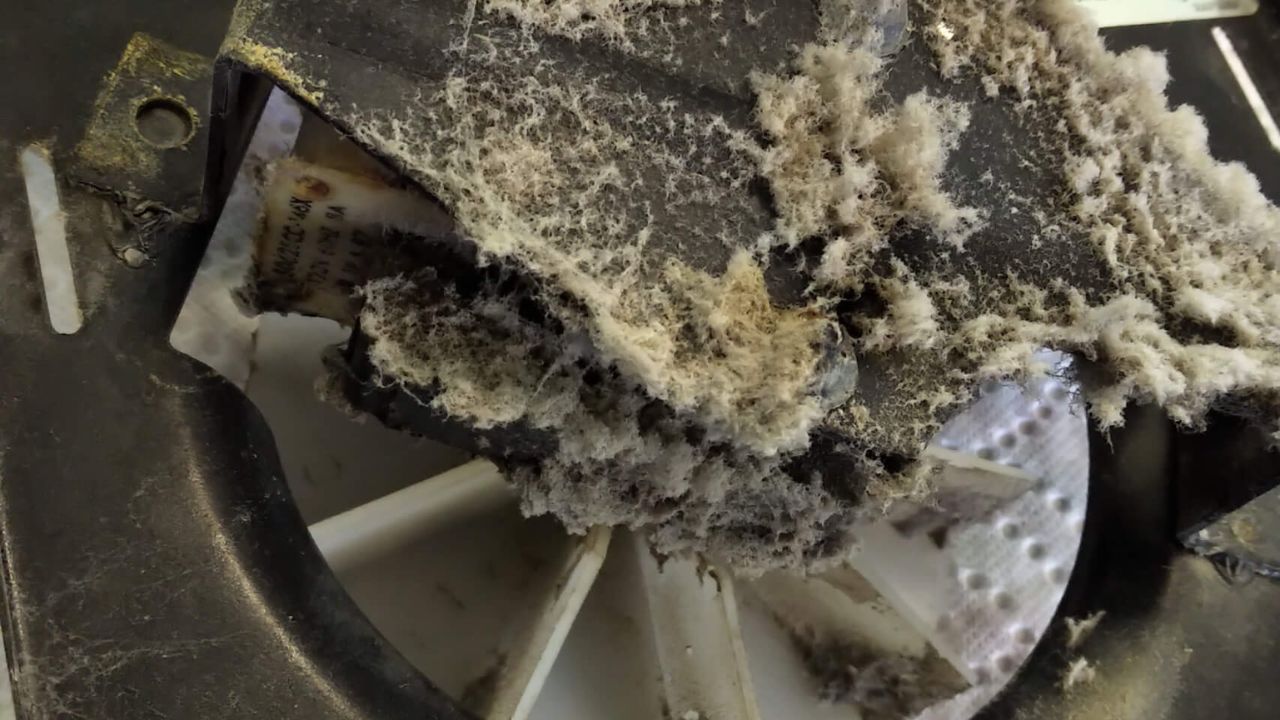
Bathroom exhaust fans are designed to remove moisture and reduce condensation, especially during showers. However, when dust, lint, and debris accumulate inside the fan housing, airflow can become restricted. That trapped heat, combined with electrical components running longer than intended, can create a serious fire hazard.
Michigan’s prolonged winter season increases the risk. Windows remain closed, humidity levels rise, and exhaust fans are often left running longer to manage steam and prevent mold. In older homes and apartment buildings, especially those with dated electrical systems, that extra strain can be dangerous.
Warning Signs Residents Should Not Ignore
According to American Family Insurance, which tracks residential fire losses nationwide, certain warning signs may indicate an imminent failure inside a bathroom exhaust fan. These include grinding or scraping sounds when the fan starts, vibrations, and odors that resemble smoke or burning plastic.
If any of these signs occur, residents are advised to turn the fan off immediately and arrange for inspection or replacement. Continuing to use a malfunctioning unit can allow internal wiring to deteriorate further, increasing the chance of ignition.
Research Shows Internal Fan Failures Can Start Fires
Additional concern comes from a 2019 forensic study conducted by GAI Engineers, which examined how bathroom exhaust fans behave during fire conditions. The study found that electrical arcing can originate inside the fan-light housing itself, not just from exposure to an external fire.
During controlled testing, internal temperatures reached between 357 and 1,242 degrees Fahrenheit, levels capable of melting insulation, damaging wiring, and igniting nearby materials. Researchers also noted that steel fan housings can hide internal damage, meaning a unit may appear normal from below while serious deterioration is occurring inside the ceiling cavity.
Why Older Housing Faces Higher Risk
Fire officials say the danger is elevated in older homes and multi-unit buildings throughout Detroit, particularly in neighborhoods built decades ago. Aging wiring, limited ventilation upgrades, and years of dust accumulation combine to create conditions where a single overheated fan can trigger a fire.
Renters, students, and young workers living in older apartments may be especially vulnerable, as maintenance issues inside ceilings often go unnoticed until a problem becomes severe. Fans left running unattended overnight or for long periods further increase the risk.
Safety Steps to Reduce Fire Risk This Winter
Fire officials recommend several practical steps residents can take immediately:
- Turn bathroom exhaust fans off shortly after use instead of leaving them running for extended periods
- Clean fan grilles and housings regularly using a vacuum or soft brush
- Listen for unusual noises, vibrations, or changes in fan performance
- Replace fans that run excessively hot or show signs of electrical failure
- Install timer switches to automatically shut fans off after a set time
Any fan that appears damaged, produces abnormal smells, or struggles to ventilate moisture should be replaced rather than repaired, especially in older properties.
A Seasonal Reminder for Michigan Residents
While bathroom exhaust fans are often overlooked, fire officials stress that they are electrical devices operating in humid conditions — a combination that demands regular attention. As Michigan moves through another long winter, a few minutes of inspection and maintenance could prevent a serious and potentially deadly fire.
Residents are encouraged to treat this warning as a seasonal safety reminder, particularly in older homes and apartment buildings where hidden risks may be present behind the ceiling.