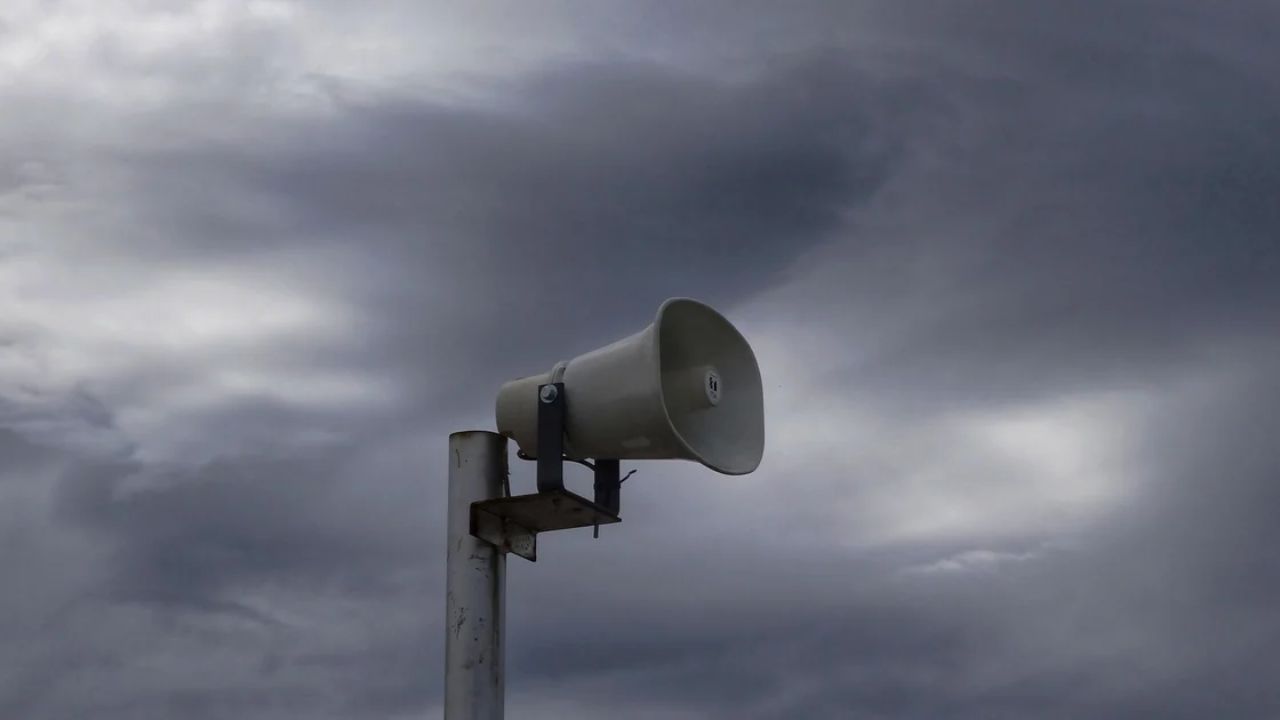
ST. PAUL, MN — Residents across Minnesota should prepare for the sound of outdoor warning sirens today, Thursday, April 16, as the state conducts its annual statewide tornado drills. These drills are a critical component of Severe Weather Awareness Week, designed to ensure every Minnesotan knows exactly what to do when a real tornado threatens their community.
The sirens are scheduled to sound at two specific times today:
- 1:45 p.m. (Daytime Drill): Primarily intended for schools, businesses, and institutional facilities to practice their emergency sheltering plans.
- 6:45 p.m. (Evening Drill): Aimed at families and second-shift workers to practice safety at home.
Not Your Typical Monthly Test
It is important for residents to note that today’s sirens are separate from the routine monthly tests usually held on the first Wednesday of each month. In addition to the sirens, the National Oceanic and Atmospheric Administration (NOAA) will issue routine test messages, and the National Weather Service (NWS) will be active on social media to simulate a real-world emergency scenario.
The Danger is Real: By The Numbers
Minnesota isn’t a stranger to destructive storms. According to the Minnesota Department of Natural Resources, the state averages about 46 tornadoes every year. Just this week, southern Minnesota was hit by at least three tornadoes as severe weather swept through the region, serving as a stark reminder of why these drills are necessary.
While peak tornado season typically falls between May and August, history shows that twisters can strike almost any time—with records showing occurrences as early as March and as late as December.
How Siren Policies Vary by County
A common point of confusion for residents is how sirens are used. The NWS clarifies that local counties and cities decide their own activation policies:
- Duration: Typically, sirens sound for about three minutes during an actual warning; they rarely run for the entire duration of a storm.
- Trigger Points: Some counties only sound sirens for confirmed tornadoes, while others activate them for severe thunderstorms with wind speeds exceeding 70 to 80 mph.
What Should You Do During the Drill?
Emergency management officials encourage everyone to treat the 1:45 p.m. and 6:45 p.m. sirens as if they were real.
- Seek Shelter: Go to the lowest floor of your building or an interior room without windows.
- Review Plans: Make sure your family knows where the “safe spot” is and that your emergency kit is stocked.
- Check Alerts: Use this time to ensure your weather radio and smartphone alerts are properly configured.
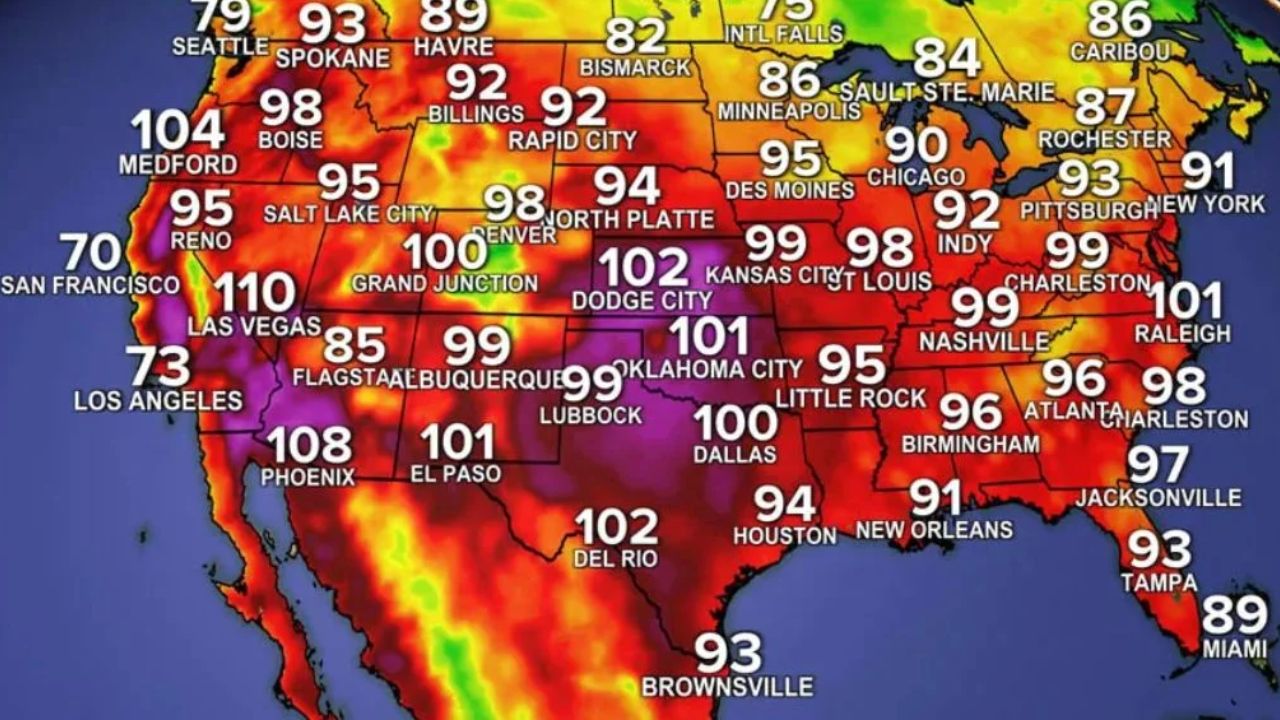
Severe Weather Awareness Week (April 13–17) continues through Friday, with tomorrow’s focus shifting to the dangers of extreme heat.
Do you have a plan in place for your family today? Tell us in the comments how you’re participating in the drill, and let your neighbors know if your local sirens are working properly!