Delaware: A rare and unusual weather event struck the state as a confirmed EF-1 tornado touched down in Kent County on March 16, 2026, marking the first tornado recorded in Delaware during March in nearly five decades. The National Weather Service confirmed the twister on March 18 after conducting a detailed damage survey.
The tornado occurred near Frederica late at night, bringing strong winds and localized damage, while nearby areas also experienced severe straight-line winds.
Tornado Details and Timing
The EF-1 tornado hit near Frederica in Kent County with the following characteristics:
- Date: March 16, 2026
- Time: 10:48 PM
- Wind Speed: 90 to 100 mph
- Path Length: 0.7 miles
- Width: 75 yards
The tornado developed during a broader severe weather system that affected parts of the region overnight.
What Damage Was Reported
Along with the confirmed tornado, additional storm damage was reported in nearby areas.
Key findings from the National Weather Service survey:
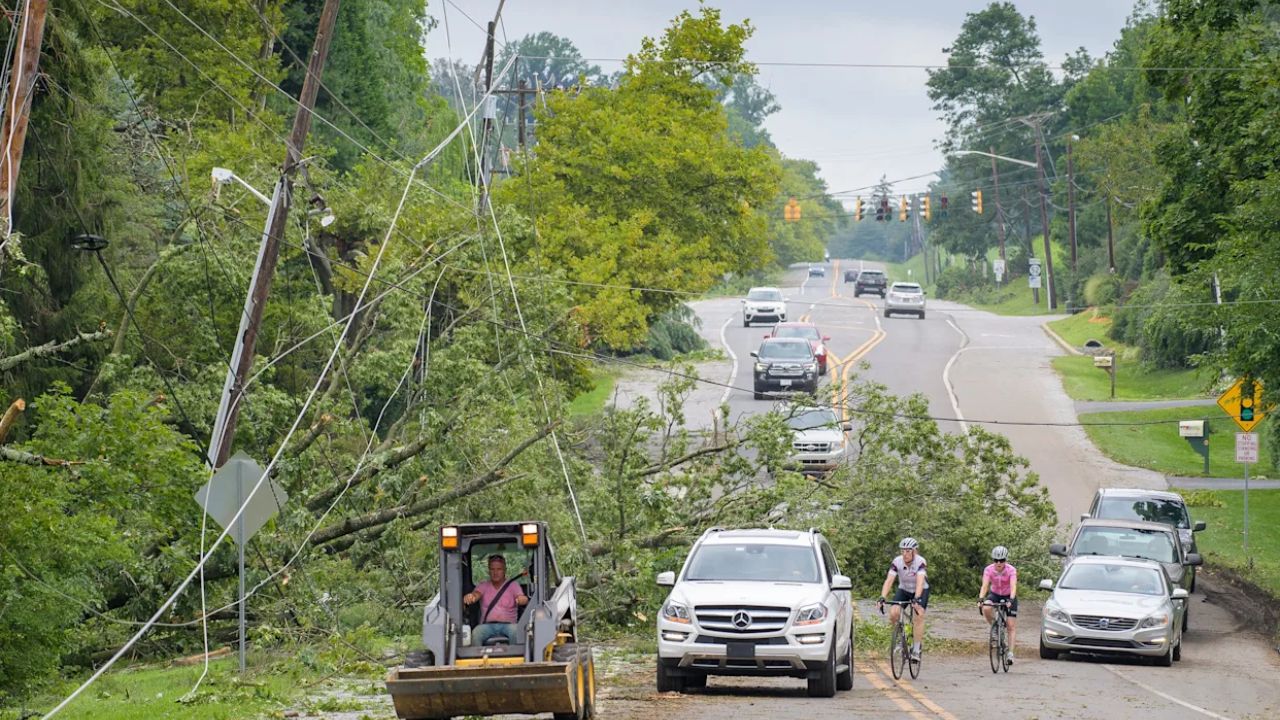
- Extensive damage near Camden was caused by straight-line winds
- Wind speeds in these areas also reached 90 to 100 mph
- Structural and tree damage was reported in affected zones
Experts noted that while tornadoes involve rotating winds, straight-line winds move in a single direction but can still cause significant destruction.
Why This Tornado Is Significant
This event stands out due to its timing and rarity.
Key reasons why this tornado is notable:
- First March tornado in Delaware in nearly 50 years
- Occurred earlier than the typical tornado season peak
- Highlights unusual and shifting weather patterns
Historically, tornado activity in Delaware is more common during late spring and summer months.
Tornado Season in the United States
Tornadoes can occur at any time of the year, but there is a general seasonal pattern.
Typical tornado season details:
- Peak season: March through June or July
- Timing varies depending on region
- Warmer months see higher frequency of tornado activity
According to long-term records, Delaware has experienced tornadoes as early as January (1967) and as late as November (1989), though most occur in summer.
Recent Tornado Activity in Delaware
In recent years, tornado activity in the state has remained relatively limited.
Recent examples include:
- May 16, 2025: Tornado south of Bethel (Sussex County)
- June 30, 2025: Tornado in Frankford (Sussex County)
Both of these occurred during the typical tornado season, making the March 2026 event particularly unusual.
Why Early Tornadoes Can Be Risky
Early-season tornadoes can pose additional challenges due to lower preparedness levels.
Key concerns include:
- Residents may not expect severe storms this early in the year
- Nighttime tornadoes reduce visibility and warning response time
- Rapid weather changes increase risk of sudden damage
Late-night timing, like in this case, further increases danger as people are often indoors and unaware.
Important Safety Information
Residents should always stay prepared for severe weather, regardless of the season.
Safety precautions include:
- Monitor weather alerts and warnings regularly
- Have a safe shelter location identified in advance
- Avoid windows during high-wind events
- Keep emergency supplies ready
- Stay indoors until official all-clear announcements
Conclusion
The March 2026 EF-1 tornado in Delaware serves as a reminder that severe weather can strike at unexpected times. Breaking a nearly 50-year gap for March tornadoes in the state, this event highlights the importance of year-round preparedness.
With changing weather patterns and increasing unpredictability, staying informed and ready is more important than ever.
Do you think extreme weather events like early tornadoes are becoming more frequent in recent years?