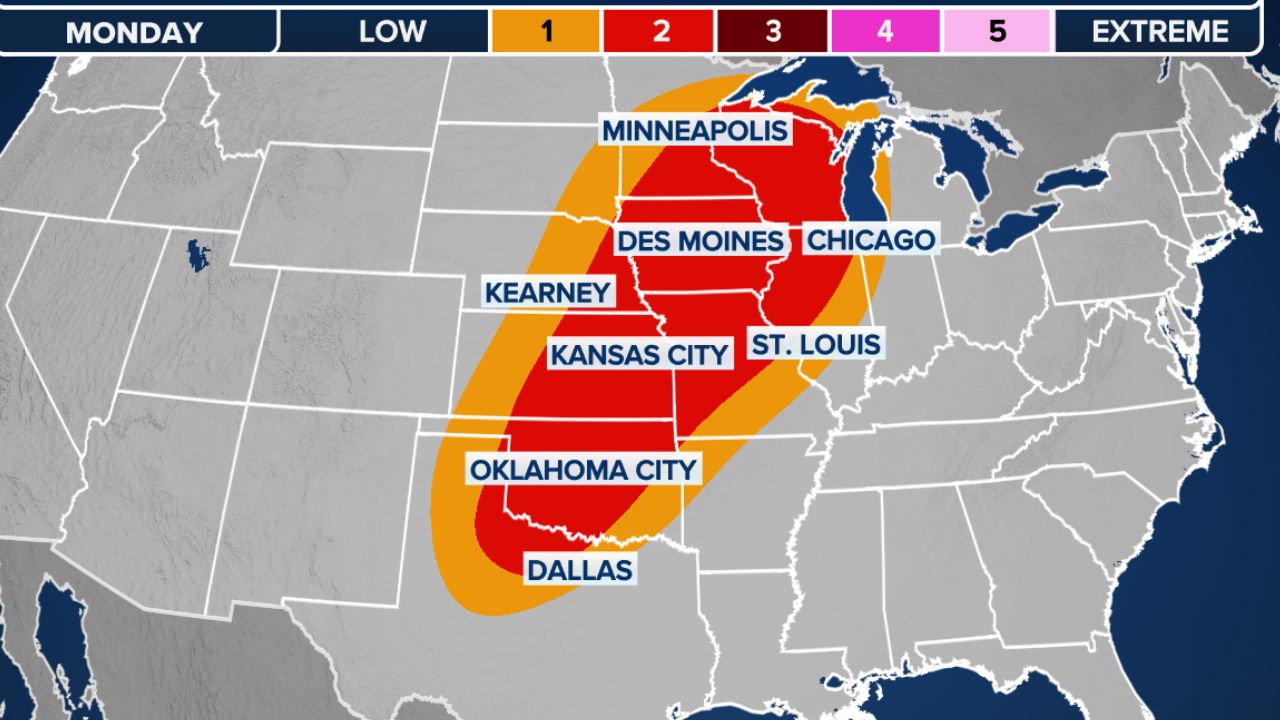

United States: A powerful severe weather outbreak swept across large parts of the South, Midwest and East between March 15 and March 16, 2026, bringing widespread destruction through damaging winds, dozens of tornadoes and large hail. The system impacted major cities and multiple states, marking the third major outbreak within just 12 days in March.
Weather officials described the event as highly active and unusually frequent for such a short period, raising concerns about a volatile start to the spring severe weather season.
Event Timeline and Duration
The severe weather outbreak unfolded over a two-day period:
- March 15–16, 2026: Peak storm activity across multiple regions
- Late night March 16–early March 17: Storms reached the East Coast and major metro areas
During this time, the National Weather Service recorded over 800 reports of damaging winds and storm-related incidents across the country.
What Happened During the Outbreak
The outbreak brought a combination of dangerous weather conditions, including:
- Widespread damaging thunderstorm winds
- Over three dozen tornadoes
- Large hail in several regions
- Downed trees, damaged homes and infrastructure
More than 800 wind damage reports were logged from eastern Texas through the Midwest and into the East Coast, making it one of the most widespread wind events of the month.
Regions and Cities Affected
The storm system impacted a wide stretch of the United States, including:
- Southern states like Texas, Alabama and Florida
- Midwest regions including Illinois, Missouri and Indiana
- Eastern cities along the Atlantic coast
Major cities reporting storm damage or strong winds included:
- Memphis
- St. Louis
- Chicago
- Nashville
- Indianapolis
- Louisville
- Atlanta
- Raleigh
- Washington, D.C.
- Baltimore
- Philadelphia
- New York City
In the New York City area, wind gusts reached:
- 71 mph at Newark Airport
- 72 mph at JFK Airport
Tornado Activity Details
The National Weather Service confirmed a total of 37 tornadoes across nine states during this outbreak.
Key tornado highlights:
- All tornadoes were rated EF0 or EF1
- Illinois recorded the highest number with 17 tornadoes
- Missouri reported 7 tornadoes
- An EF0 tornado struck the north Charlotte metro area on March 16
The Charlotte tornado was especially notable as it marked the city’s first tornado since December 29, 2024.
Wind and Damage Reports
Severe thunderstorm winds caused significant damage in several areas:
- Jonesboro, Arkansas: 75 mph wind gust tore shingles off a roof
- Brookwood, Alabama: A falling tree injured a motorist
- Duval County, Florida: Tree damage to residential property
These incidents highlight the widespread and dangerous nature of the wind impacts during the outbreak.
Hailstorm Reports
In addition to winds and tornadoes, large hail was reported in multiple regions.
Key hail details:
- Over 60 large hail reports recorded
- Tennis ball-sized hail observed in parts of Texas
- Notable locations: San Augustine and Nacogdoches Counties
Large hail added to property damage risks, particularly for vehicles, roofs and crops.
Why This Outbreak Is Significant
This event stands out due to both its intensity and frequency.
Important factors:
- Third severe weather outbreak within just 12 days
- Repeated impacts on the same regions
- Large geographic coverage from Texas to the East Coast
- High number of wind damage reports
Areas affected in this outbreak were also impacted by earlier storm systems between March 5–8 and March 10–12, increasing cumulative damage and risk.
Broader Weather Pattern Concerns
Meteorologists are noting an unusually active weather pattern across the U.S., with multiple back-to-back severe systems.
This pattern includes:
- Repeated severe storms across central and eastern regions
- Rapid shifts between extreme weather conditions
- Increased early-season tornado and storm activity
Such patterns may signal a more intense and prolonged severe weather season ahead.
Important Safety Information
Residents in affected regions are advised to remain alert as severe weather risks continue:
- Monitor local weather updates and alerts
- Seek shelter immediately during tornado warnings
- Avoid driving during severe storms
- Stay away from downed power lines and damaged structures
- Prepare emergency kits and safety plans
Conclusion
The March 15–16, 2026 severe weather outbreak has left a significant impact across the South, Midwest and East, with dozens of tornadoes, hundreds of wind damage reports and widespread disruption. As the third major outbreak in less than two weeks, it highlights a highly active and concerning start to the severe weather season.
With changing weather patterns and repeated storm systems, preparedness and awareness remain critical.
Do you think this early surge in severe storms indicates a more extreme weather season ahead?