
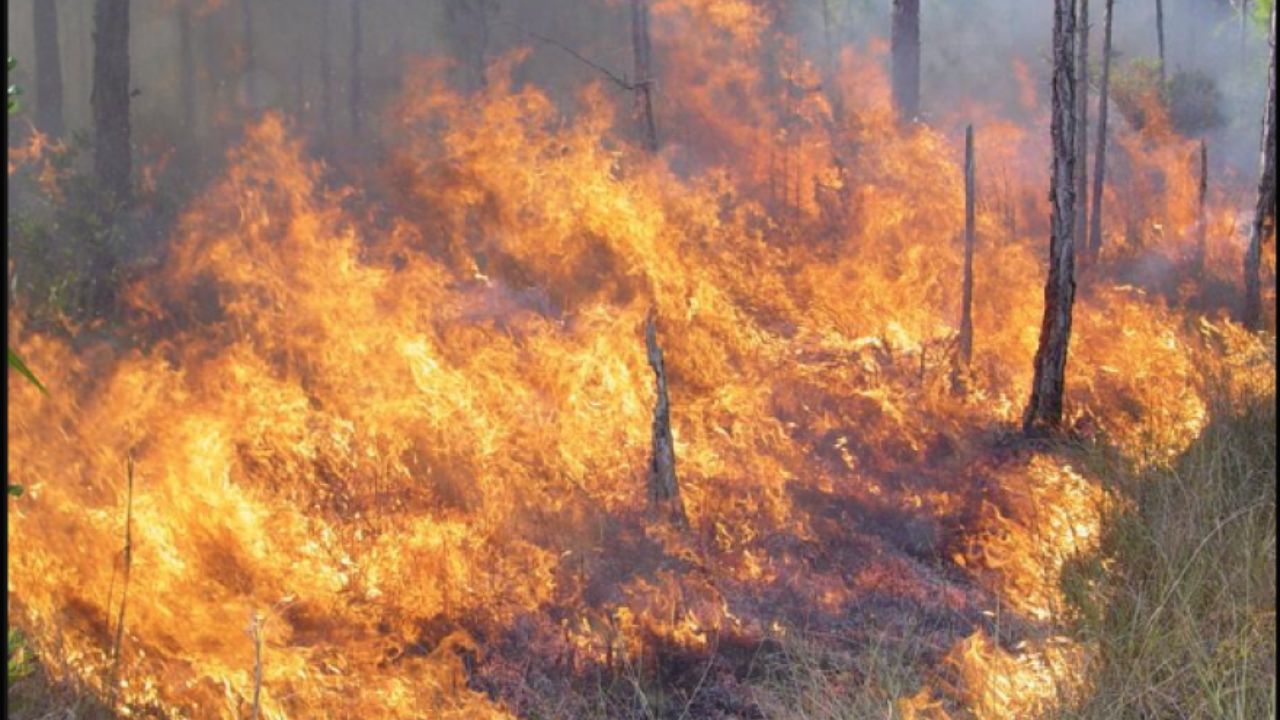
NAPLES, FLORIDA — A fast-moving wildfire in southern Florida has scorched more than 30,000 acres in Big Cypress National Preserve, forcing highway closures and prompting the deployment of one of the nation’s highest-level wildfire management teams.
The blaze, now considered Florida’s largest wildfire of 2026, remained 0% contained as of early Thursday, according to officials.
Interstate 75 (Alligator Alley) Shut Down Due to Smoke
Authorities temporarily closed a section of Interstate 75 — commonly known as Alligator Alley — because of dense smoke and dangerously low visibility.
According to the National Park Service, command of the wildfire has been transferred to the Southern Area Gray Team, a Type 1 Interagency Incident Management Team (IMT). Type 1 IMTs are among the most experienced and highest-level wildfire response teams in the United States.
Officials stated that as additional out-of-area resources arrive, some local crews will be reassigned to respond to other potential fire outbreaks across the region.
Public and firefighter safety remain top priorities, according to fire managers.
Drought and Low Humidity Fuel Rapid Spread
The wildfire is burning within Big Cypress National Preserve, located east of Naples in Collier County.
Florida has been experiencing prolonged drought conditions combined with unusually warm winter temperatures.
Data shows:
- The first two months of the winter season ranked among the driest and warmest on record for Florida.
- Nearly two-thirds of the state is currently classified in severe drought conditions.
- Naples has received only about 50% of its normal winter rainfall.
- February rainfall totals were approximately one-third of average levels.
Low relative humidity and extremely dry vegetation have created ideal conditions for rapid fire spread.
Fire officials reported that fuels that would normally slow or stop fire behavior are now burning more aggressively due to dryness.
Weather Impact and “Super Fog” Risk
Meteorologists with the National Weather Service warned that the size of the wildfire may influence local atmospheric conditions.
Dense smoke during overnight and early morning hours is expected to reduce visibility downstream of the fire, particularly along Alligator Alley.
Officials are also concerned about the potential development of “super fog,” a dangerous phenomenon caused when smoke mixes with moisture from smoldering vegetation and cooler air.
Super fog can reduce visibility to 10 feet or less and has previously contributed to major multi-vehicle accidents on highways.
Expanding Wildfire Risks in a Warming Climate
Experts note that Florida’s unusually dry winter has amplified fire risk across the state.
The U.S. Geological Survey has observed that wildfire seasons in recent decades have increased in length and intensity.
In addition, researchers from Climate Central report that wildfire smoke exposure in the U.S. has significantly increased in recent years.
According to their findings:
- Average annual per-person exposure to harmful wildfire smoke from 2020–2024 was four times higher than during 2006–2019.
- Smoke from major fires can travel hundreds or even thousands of miles.
Officials emphasize that wildfire smoke poses health risks even to communities far from the active burn area.
Firefighting Efforts Continue
Fire crews remain actively engaged in suppression efforts while monitoring weather conditions.
With dry forecasts expected to continue through the end of the week, authorities warn that fire growth remains possible.
Residents are urged to:
- Monitor official updates.
- Avoid restricted areas.
- Use caution when traveling in smoke-affected zones.
Conclusion
The wildfire burning in Big Cypress National Preserve underscores the growing impact of drought conditions and extreme weather patterns across Florida.
With more than 30,000 acres already burned and containment still at zero percent, firefighting resources remain heavily deployed as officials work to protect lives, property, and critical infrastructure.