Tucson, Arizona — Health experts are raising concerns about the growing spread of Valley Fever, a potentially serious fungal disease that scientists say is expanding across the United States due to changing weather patterns and climate conditions.
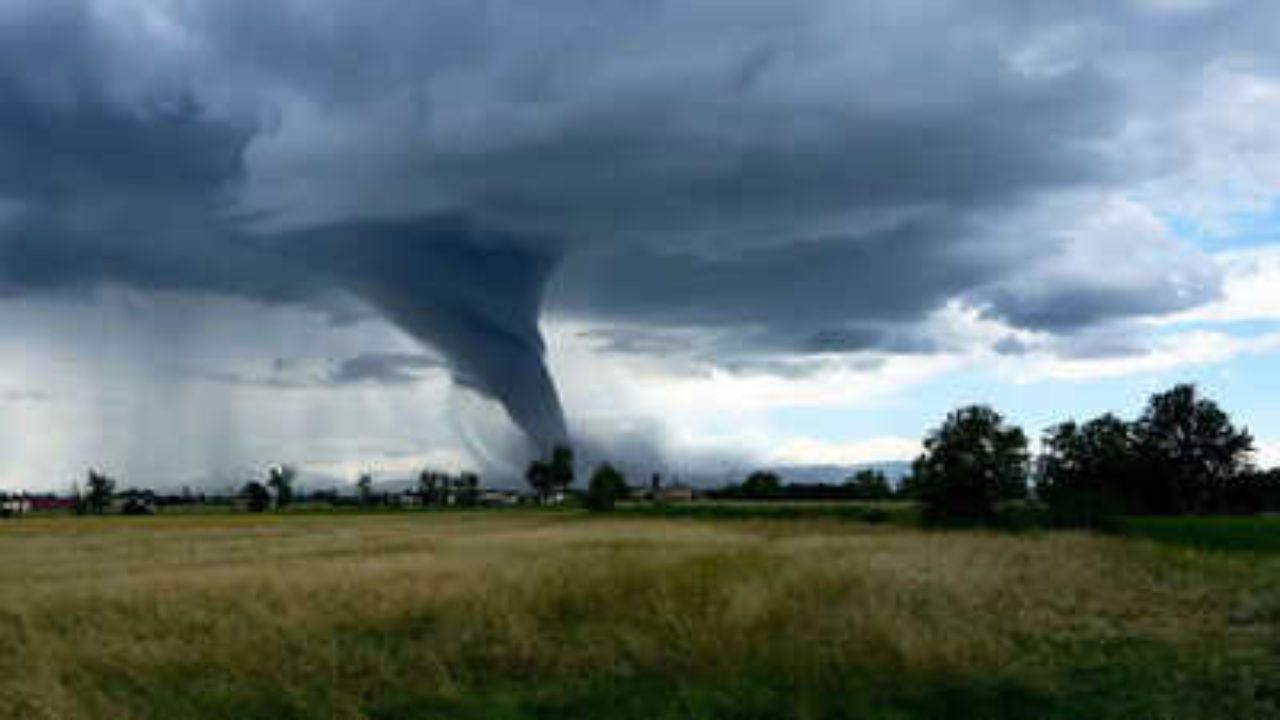
Researchers warn that so-called “fungal storms” — where microscopic spores spread through dust storms, hurricanes, and floodwaters — may allow the disease to reach regions far beyond its traditional boundaries in the coming years.
Valley Fever Expanding Beyond the Southwest
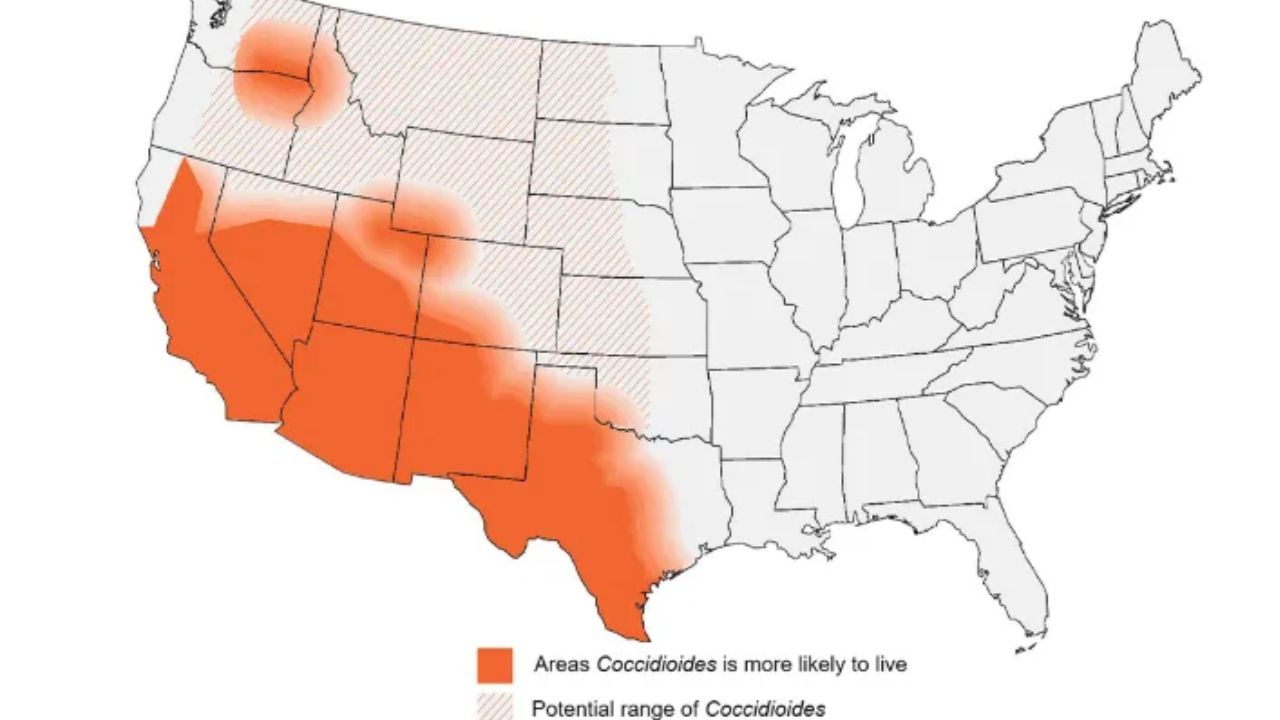
For decades, Valley Fever infections were mostly concentrated in the Desert Southwest, particularly in Arizona, California, New Mexico, and parts of Texas, where the fungus naturally grows in dry soil.
However, experts now say changing environmental conditions are helping the disease spread farther north and east.
“When it rains, we see a bloom of this fungus in the dirt or in rodent burrows. And then when things dry out, those spores become airborne. So the change in weather patterns with where the rain falls or doesn’t fall and where there’s heat and dryness changes the impact. We’ve seen that from year to year, but there may be longer term cycles in terms of decades or even centuries,” explained Dr. John Galgiani, the director of the Valley Fever Center for Excellence at the University of Arizona College Of Medicine, Tucson.
Scientists believe hotter temperatures, drought conditions, and extreme rainfall events linked to climate change are creating ideal environments for the fungus to thrive and spread.
Cases Rising Rapidly in California
The rise in infections is already becoming noticeable in some states.
According to California health data, the state has already recorded at least 2,197 Valley Fever cases in 2026, approaching the 2,996 cases reported during all of 2025.
Experts say cases are also increasingly appearing in Oregon and Washington, areas not traditionally associated with the disease.
Some forecasts suggest the fungus could eventually spread through parts of the Midwest and potentially even reach Canada in future decades.
Disease Often Misdiagnosed
Health officials warn that Valley Fever can be difficult to diagnose because its symptoms often resemble the flu, a cold, or pneumonia.
Dangerous Storms to Slam East and Midwest With Damaging Winds This Week
However, unlike common respiratory illnesses, the infection can linger for weeks or even months.
“One of the things that distinguishes Valley Fever is it’s often weeks to months in illness. It’s not just days. So it’s really often a lot more like a pneumonia,” says Dr. Galgiani.
Because many doctors outside the Southwest are unfamiliar with the disease, patients may go undiagnosed or receive delayed treatment.
Serious and Sometimes Deadly Complications
While many people recover, experts warn that Valley Fever can become severe for some patients.
“For a small percentage of people, it goes out of the chest through the bloodstream to other parts of the body and can cause meningitis, which is lethal if it’s not treated,” he warns.
These complications can become life-threatening if not identified and treated early.
Medical experts stress that awareness is one of the most important tools in preventing serious outcomes.
Tourism Making It a National Concern
Dr. Galgiani says Valley Fever should no longer be viewed as a strictly regional disease because millions of tourists visit the Southwest every year.
“It’s a national disease because people visit the Grand Canyon State all the time.”
Travelers may inhale fungal spores during vacations and only develop symptoms after returning home, where local healthcare providers may not immediately recognize the illness.
That’s one reason experts hope Valley Fever eventually gains the same public recognition as diseases like Lyme disease.
“I think awareness is the protection. Knowing about it and getting the diagnosis very early is the best way to really improve your health”
As climate patterns continue shifting, scientists warn that diseases once limited to specific regions could become much more widespread in the future.
Do you think enough attention is being given to climate-related health threats like Valley Fever? Share your thoughts in the comments below.