Watertown, Massachusetts — As temperatures begin rising across Greater Boston, HVAC companies say they are receiving an increasing number of service calls from homeowners turning on their air conditioning systems for the first time this season.
But according to one Massachusetts HVAC company, some customers are discovering far more than cooling problems inside their systems.
HVAC Experts Seeing Surge in Seasonal Calls
Steve Akian, owner of Akian Plumbing, Heating and Air Conditioning in Watertown, said warmer weather always leads to a spike in service requests.
“As soon as those temperatures climb, so do the number of calls coming in,” Akian explained.
Many of the issues involve aging air conditioning systems, refrigerant leaks and neglected maintenance. Akian said something as simple as failing to replace an air filter can create major cooling problems.
“There’s times where we’ll show up, and there’ll be ice on the outside of the unit,” he said. “And all it was is they didn’t change the filter.”
However, technicians are now noticing another growing problem that is catching homeowners by surprise.
Animals Nesting Inside Cooling Systems
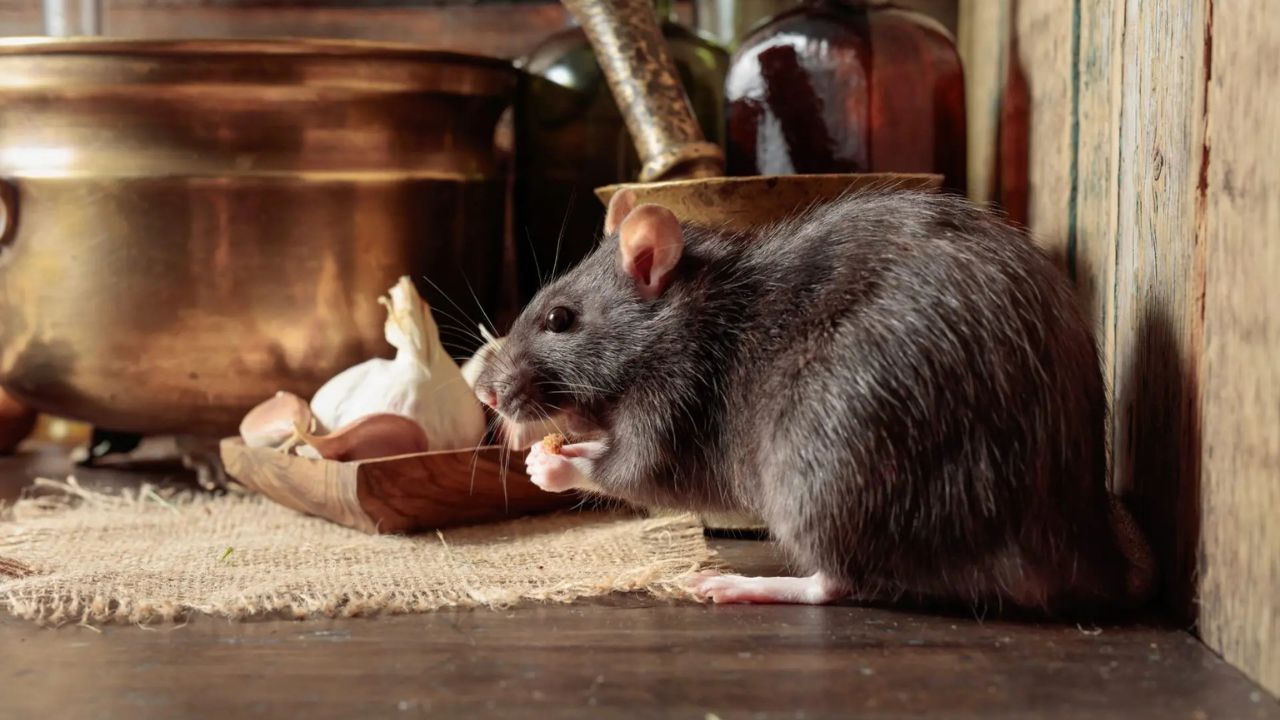
Akian said his crews have recently discovered an increasing number of animals nesting inside HVAC systems, particularly squirrels and rodents looking for shelter.
During a recent service call for a home with no air conditioning, technicians made an unexpected discovery inside the outdoor cooling unit.
“It’s a call for no cooling. He removes the panels and immediately he starts seeing these baby squirrels just kind of moving around in the nest there,” Akian said.
The technician reportedly found another similar nest during the very next service visit.
According to Akian, the unusually cold winter may have contributed to the increase in nesting activity inside HVAC systems this year.
“I think we’re going to see more of that this year due to how cold the winter was. They find shelter in these systems and the wires sometimes are made out of rice resin, so the mice will chew through it.”
Damage Can Become Serious
Experts warn the problem goes beyond losing air conditioning during the summer heat.
Two Men Killed Within Minutes in Separate Bronx Attacks as Violence Erupts Across Borough
Rodents chewing through electrical wiring can create major mechanical failures and potentially dangerous safety risks inside HVAC systems.
“The system could trip, it could sort of have erratic behavior, like turning off and on, that’s what we were experiencing at that client’s house,” Akian explained. “Or worse, it could potentially cause fires when we’re dealing with electrical [damage].”
The electrical issues caused by rodents are becoming a growing concern for both homeowners and technicians responding to service calls.
Winter Covers May Attract Critters
Ironically, Akian noted that protective covers homeowners place over outdoor HVAC systems during winter may actually make the units even more appealing to animals searching for warmth and shelter.
He recommends homeowners regularly inspect the area around cooling units, clear away debris and call professionals at the first sign of trouble.
“Get a professional in there looking at the unit, making sure nothing is starting to build a nest in the unit because sometimes you can kind of get that taken care of before it becomes a bigger issue,” he said.
Problem Extends Beyond Homes
The issue is not limited to residential properties.
Last week, a squirrel reportedly got into wiring at Bigelow Middle School in Newton, causing electrical and Wi-Fi disruptions severe enough to postpone the school’s standardized MCAS math test.
School officials later confirmed students were able to complete the exam the following day after the issue was resolved.
As summer temperatures continue climbing, HVAC experts say routine maintenance could help homeowners avoid costly repairs — and unexpected animal encounters hiding inside their cooling systems.
Have you ever experienced animals or unexpected problems inside your HVAC system? Share your thoughts and experiences in the comments below.