
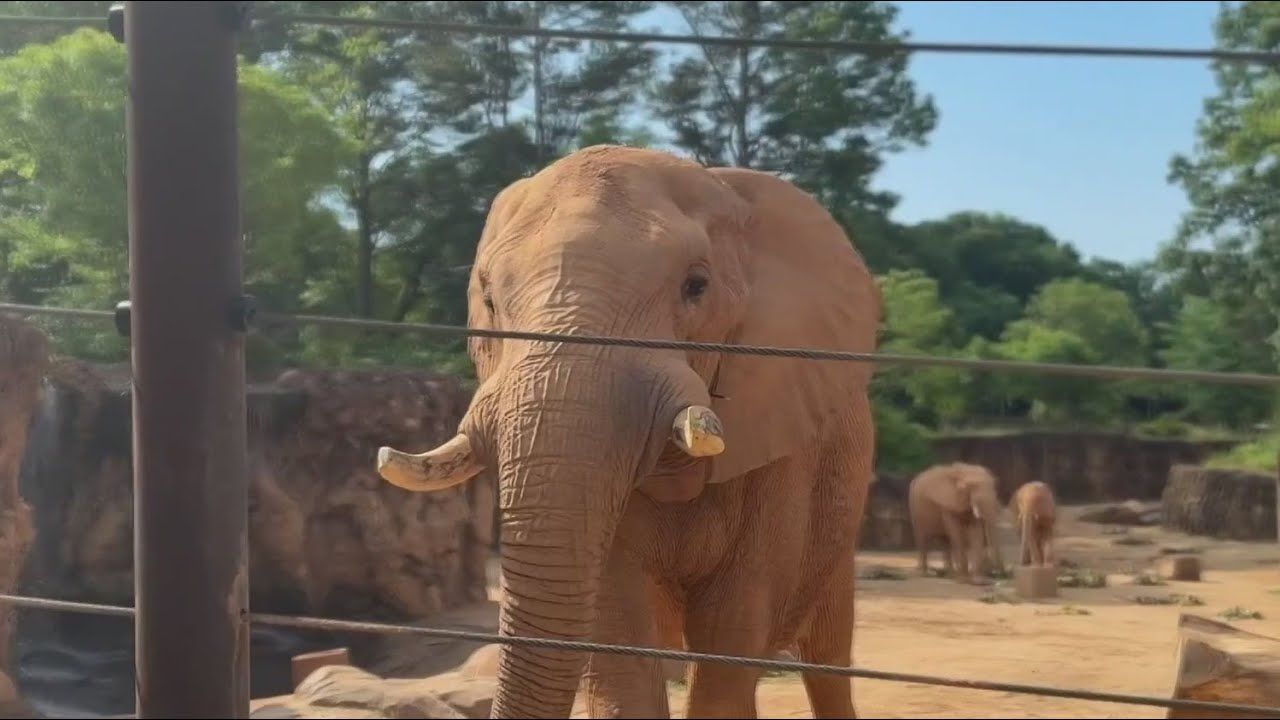
ATLANTA, GA – Researchers from Georgia Tech have partnered with Zoo Atlanta to develop a groundbreaking interactive wall designed to keep elephants mentally sharp and physically active.
The Power of Low-Frequency Sound
Arianna Mastali, a Georgia Tech PhD student, is leading the development of the wall. The system generates specific low-frequency tones that replicate how elephants experience sound in the wild.
Elephants possess incredibly keen hearing and often communicate across long distances by feeling low-frequency vibrations through their feet. To avoid confusing the animals, Mastali’s team intentionally avoids using natural elephant noises, opting instead for basic low tones that provide sensory stimulation.
Tailored For Daily Novelty
What sets this wall apart from existing zoo enrichments is its adaptability. Kirby Miller, Zoo Atlanta’s senior elephant care specialist, works closely with Mastali to tailor the system’s audio features based on desired behaviors.
Whether the goal is to encourage trunk manipulation, object interaction, or sensory engagement, caretakers can switch up the stimuli. This constant variety keeps the elephants’ environment novel and interesting. The impact has been immediate, with the zoo reporting that the elephants have doubled their time engaging at the wall.
Next Steps: Computer Vision Tech
While the interactive wall is already a success, the research team is looking toward a hands-free future to prevent long-term wear and tear from the heavy animals.
Future upgrades include:
- Removing physical components from the wall surface.
- Integrating cameras equipped with computer vision.
- Developing an algorithm to detect when an elephant’s trunk is present to trigger the sounds automatically.
The ultimate goal over the next two years is to create a fully autonomous system that the animal care team can operate full-time without technical supervision, potentially expanding the technology to benefit other zoo animals in the future.