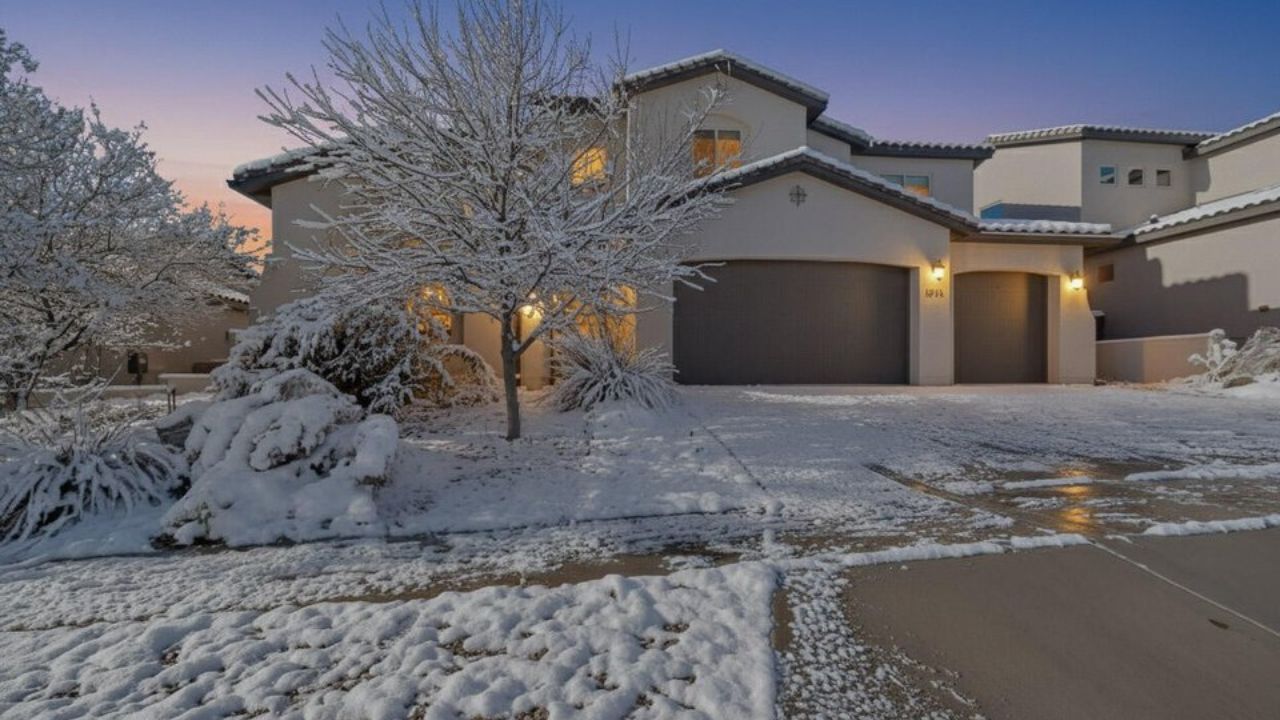
Albuquerque, New Mexico — After multiple rounds of winter cold have already tested homes across New Mexico, many homeowners are discovering that overlooked winter preparation issues do not require major storms to cause damage. With February still delivering freezing overnight temperatures, especially in higher-elevation areas, the remaining weeks of winter leave little room for homes that were not fully prepared earlier in the season.
As temperatures continue to swing between overnight freezes and sunny daytime highs, homes stressed during earlier cold snaps remain vulnerable. Small maintenance gaps that may have seemed minor in December or January can worsen quickly, turning manageable problems into expensive repairs if they are not addressed soon.
Frozen pipes remain one of the most common winter-related issues reported statewide. Plumbing located in crawl spaces, garages, basements, and exterior walls is especially at risk during extended overnight freezes. In Albuquerque and surrounding high-desert communities, older homes with limited insulation are particularly susceptible when temperatures dip below freezing for multiple nights in a row.
Another frequently overlooked concern is blocked exterior venting. Dryer vents, bathroom exhaust vents, and furnace exhaust pipes can become clogged with dust, debris, snow, or ice. When airflow is restricted, moisture can be trapped inside the home, increasing the risk of mold, condensation damage, and even carbon monoxide safety concerns during prolonged cold weather.
Roof-related ice problems have also emerged following recent snow and freeze events across central and northern New Mexico. Heat escaping through uneven attic insulation can melt rooftop snow, which then refreezes along colder roof edges. This process can create ice buildup that forces water underneath shingles, leading to ceiling stains, damaged insulation, and interior wall issues. Homes built decades ago are especially vulnerable during repeated freeze-thaw cycles.
Frozen sump pump discharge lines and buried drain outlets are another growing concern. When exterior pipes freeze solid, melting snow or ice has nowhere to drain during daytime warmups. This can increase the risk of basement or crawl space flooding, even when overall precipitation levels remain low.
Rounding out the most common winter issues is heating equipment that has been running continuously throughout the season. Furnaces and boilers with deferred maintenance can struggle as cold weather persists, increasing the likelihood of breakdowns during the most demanding part of winter. A sudden heating failure during a cold snap can quickly turn into a safety issue, especially for elderly residents or families with young children.
Home maintenance professionals encourage homeowners to take action now rather than waiting for another cold spell. Insulating exposed plumbing, clearing exterior vents of ice and debris, managing roof snow safely, and ensuring heating systems are operating efficiently can help prevent late-winter damage.
While winter has already tested New Mexico homes this season, lingering February cold means preparation still matters. Addressing small issues now can reduce the risk of costly repairs and help homes stay safe and functional through the final stretch of winter.