CHICAGO, IL — The Chicago community is reeling after the tragic death of CPD Officer John Bartholomew, and as new details emerge regarding the suspect’s extensive criminal history, local officials are demanding an immediate overhaul of the city’s electronic monitoring system.
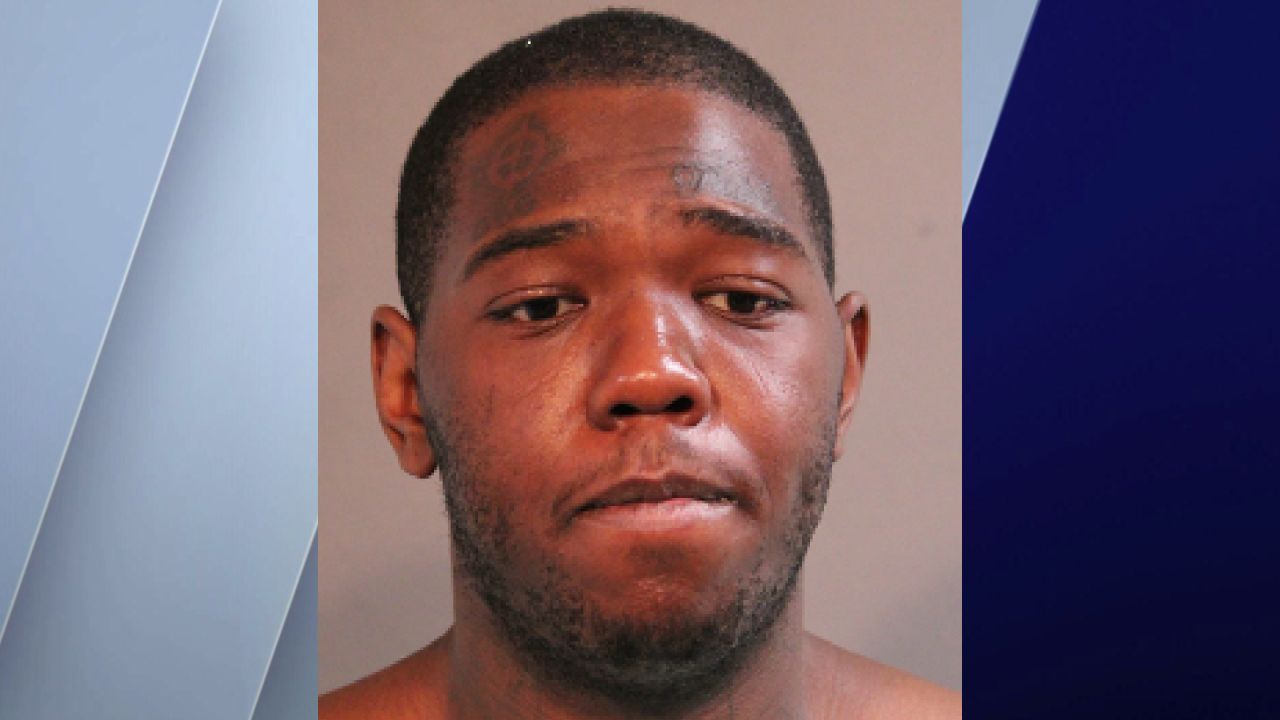
Alphanso Talley, 26, appeared in court Monday to face charges of murder and attempted murder following a shooting at Swedish Covenant Hospital on Saturday morning. The incident, which killed Officer Bartholomew and left his partner critically wounded, has sparked a fierce debate over judicial accountability and the use of home confinement for violent defendants.
A Decadelong Trail of Violent Felonies
The investigation into Talley’s background reveals a lengthy history of criminal activity that critics say should have kept him behind bars long ago. Since 2017, Talley has accumulated more than half a dozen felonies, including:
- 2017: Two robberies, one involving the use of a handgun.
- 2022: A guilty plea for being a felon in possession of a firearm.
- 2024: Felony charges for attacking a Cook County correctional officer.
- 2025: An arrest for carjacking a woman at gunpoint.
Despite this violent track record, Judge John Lyke allowed Talley to be released on electronic monitoring (EM) so he could attend college classes.
The Failure of Electronic Monitoring
The system reportedly failed on March 11, when Talley allegedly allowed his monitoring device to die. While an arrest warrant for “escaping” the monitoring program was issued on that date, there is no evidence that authorities took action to locate or apprehend him.
The warrant remained active until Saturday morning, when Talley allegedly robbed a Family Dollar store in Albany Park. That robbery eventually led to the deadly confrontation at Swedish Covenant Hospital.
“Officer Bartholomew would be alive today if this massively repeat offender… were behind bars where he belonged,” said Illinois Comptroller Susana Mendoza, who joined other leaders at Talley’s hearing to call for reform.
Elected Officials Call for Judicial Accountability
The tragedy has united police union representatives and city leaders in a call for judges to be held responsible for their release decisions.
Alderman Anthony Napolitano (41st Ward) argued that the current leniency must end, stating, “Something needs to be done, and something needs to change today.” Meanwhile, Alderman Ray Lopez (15th Ward) took it a step further, suggesting that voters take action at the ballot box.
“If that means we have to clear out this building of every judge who will not listen, then I say, vote no on retention,” Lopez said. “Eventually, they will get the message that they are held accountable.”
Community Impact
As Chicago mourns the loss of another officer in the line of duty, the focus remains on why a “high-risk” individual was allowed to roam the streets while a warrant for his arrest sat dormant. For many, this case is the ultimate proof that the current judicial approach to electronic monitoring is fundamentally broken.
What is your take, Chicago? Should judges be held legally or professionally accountable when a defendant on electronic monitoring commits a violent crime? Should the EM program be banned for repeat violent offenders?
Share your thoughts in the comments below to join the conversation on public safety.