
New York, New York — Skywatchers are preparing for a rare celestial spectacle as a Blue Moon and four visible planets are expected to light up the skies during the final weekend of May.
The unusual lunar event will occur on the night of Friday, May 30, into the early hours of Saturday, May 31, giving astronomy enthusiasts a chance to witness a phenomenon that only happens every few years.
Rare Blue Moon Set to Rise This Weekend
The upcoming full moon will officially become a Blue Moon because it is the second full moon occurring within the same calendar month.
Earlier in May, the month’s first full moon — known as the Flower Moon — appeared on May 1. Now, a second full moon arriving before the month ends has created the rare astronomical event.
Despite its name, the moon itself will not actually appear blue in color.
The term “Blue Moon” refers strictly to the timing of the lunar cycle rather than the moon’s appearance. Because the moon’s cycle lasts approximately 29.5 days, it occasionally allows two full moons to occur within a single month.
Why Blue Moons Are Considered Rare
The phrase “once in a blue moon” has long been used to describe something uncommon, and astronomers say the expression is fairly accurate.
On average, a calendar Blue Moon appears only once every two to three years, making the May 31 event especially notable for skywatchers.
This will also mark the first time since August 2023 that two full moons have appeared in the same month.
According to astronomers, the next calendar Blue Moon will not occur again until December 2028, adding to the excitement surrounding this weekend’s event.
Four Planets Also Expected to Be Visible
The lunar display will not be the only attraction in the sky.
Northern States Go From Spring Chill to Near 90-Degree Heat in Shocking Weather Flip
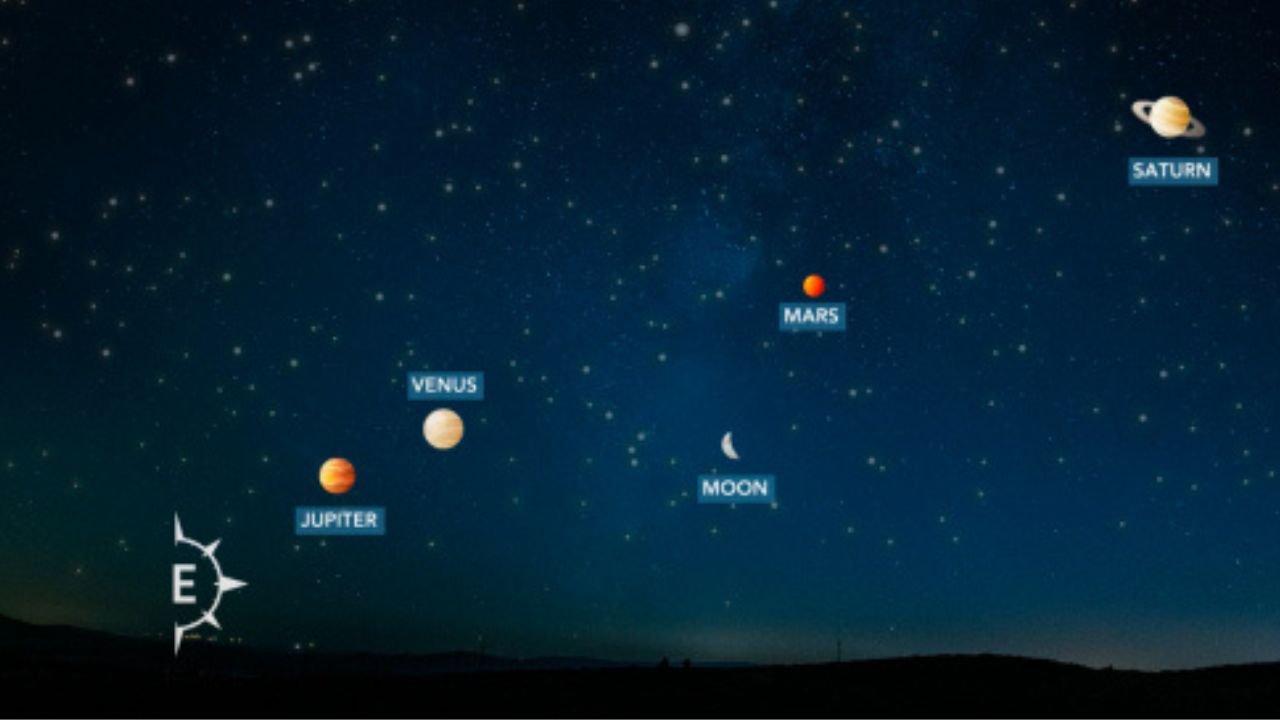
People who head outside around sunset may also be able to spot Venus and Jupiter shining brightly in the western sky approximately one hour after sunset.
Meanwhile, early risers could catch a glimpse of Mars and Saturn in the eastern sky roughly an hour before sunrise.
The rare combination of a Blue Moon and multiple visible planets is expected to create a stunning skywatching opportunity for astronomy lovers and casual observers alike.
The Lesser-Known Meaning of a Blue Moon
While most people recognize a Blue Moon as the second full moon in a single month, astronomers note there is another, older definition as well.
In a typical year, each astronomical season contains three full moons. Occasionally, however, a season experiences four full moons instead.
When that happens, the third full moon of the season is referred to as a seasonal Blue Moon.
Although both definitions remain technically correct, the calendar-based version involving two full moons in one month has become the more widely recognized meaning in modern times.
Best Time to Watch the Sky
Astronomy experts recommend heading outdoors in an area with minimal light pollution for the clearest view of the moon and planets.
Clear skies and good weather conditions will provide the best chance to fully enjoy the rare celestial event before it disappears for several more years.
For many skywatchers, the combination of a rare Blue Moon and visible planets makes the end of May a perfect opportunity to look up and enjoy the night sky.
Will you be watching the rare Blue Moon this weekend? Share your thoughts in the comments below.