
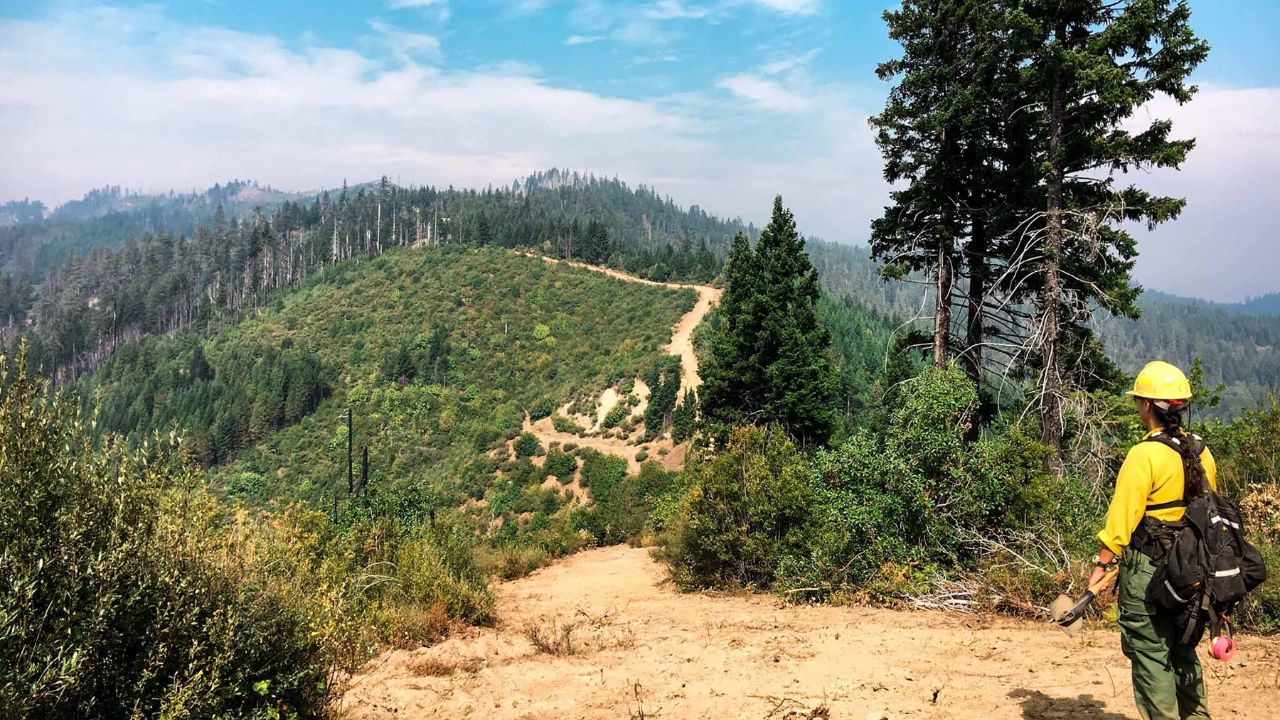
If you hunt, fish, hike, or camp in Wisconsin’s Northwoods, there’s something important happening right now that could affect your access to public lands — and most people haven’t heard about it yet.
The U.S. Forest Service just announced a sweeping reorganization. And Wisconsin is directly in the crosshairs.
WHAT’S HAPPENING?
On March 31, 2026, the USDA announced that the Forest Service will move its headquarters from Washington D.C. to Salt Lake City, Utah, and begin a major restructuring of the entire agency. USDA
The changes include moving headquarters to Salt Lake City, transitioning to a state-based leadership model, building a network of Operations Service Centers, and unifying the agency’s research program. USDA
WHAT DOES THIS MEAN FOR WISCONSIN SPECIFICALLY?
Three things directly hit Wisconsin:
1. Milwaukee Regional Office is Closing
The Milwaukee regional office — which oversees forests across the entire eastern U.S. — will fully shutter. Employees there will have to relocate to Utah, Colorado, or New Mexico. This office currently coordinates everything from forest planning to budgets for the Chequamegon-Nicolet National Forest.
2. Research Stations are Being Cut
The Forest Service will maintain only 20 research and development stations across the entire country while closing 57 others. Government Executive Prairie du Chien and Wisconsin Rapids — mentioned in the official Forest Service reorganization page — are among the Wisconsin facilities facing closure. These stations study local ecosystems and guide science-based forest management decisions.
3. The Chequamegon-Nicolet Could Feel the Impact
The Chequamegon-Nicolet National Forest covers more than 1.5 million acres of Wisconsin’s Northwoods USDA, spanning hunting grounds, fishing lakes, hiking trails, and campgrounds that thousands of Wisconsin families use every year. Losing the regional office that oversees it — and the research stations that study it — raises real questions about who will manage it and how well.
WHY SHOULD YOU CARE?
The regional offices do more than just shuffle papers. Regional office staff coordinate activities between national forests and grasslands, monitor activities on those lands to ensure quality operations, provide guidance for forest plans, and allocate budgets to the forests. BIKEPACKING.com
Less oversight could mean:
- Slower response to trail damage or closures
- Reduced campground maintenance
- Less science guiding logging or land use decisions
- Weaker protections for fishing and hunting habitats
When Trump relocated two USDA offices to Kansas City during his first term, it resulted in the loss of more than half of their staff and significant drops in productivity. Government Executive Many employees simply refused to move. The same risk exists here.
WHAT WE DON’T KNOW YET
To be fair, the full reorganization and office closures will play out over the next year, and the Forest Service has promised clear guidance to employees and partners along the way. USDA Field-level offices in Rhinelander and Ashland that serve the Chequamegon-Nicolet directly are not listed for closure at this time. Day-to-day operations may continue normally for now.
But the loss of regional oversight and local research stations is a real concern that Wisconsin outdoor enthusiasts should watch closely.
WHAT CAN YOU DO?
If this matters to you, contact your Wisconsin representatives directly. You can find your senators and congresspeople at congress.gov/members/find-your-member
Tell them you want Wisconsin’s public lands protected — the Chequamegon-Nicolet, the research stations, and local Forest Service jobs.
Conclusion
This isn’t just a Washington D.C. bureaucracy story. This is about 1.5 million acres of Wisconsin forest that locals hunt, fish, hike, and camp in every single year. The reorganization may save money on paper — but the real cost could be felt right here in Wisconsin’s Northwoods.
Stay informed.